Appliances · Buying Guide
Best Same Day Sourdough Pizza Crust Options for Home Baking
Making homemade pizza night special often starts with choosing the right base, whether you prefer a quick mix or a ready-to-bake option. Crafting a delicious meal at home does not require professional culinary training or days of fermentation. Instead, home cooks can rely on convenient shelf-stable mixes and pre-baked crusts that deliver reliable textures in minutes.
Exploring various dough formats helps you match your schedule, dietary preferences, and baking equipment. From organic sourdough blends to gluten-free alternatives and traditional pre-formed rounds, these products offer straightforward pathways to dinner. Understanding how each option behaves in a standard home oven ensures you select a crust that fits your exact cooking style and taste expectations.
As an Amazon Associate, StacyLaughs earns from qualifying purchases.
Buying guide
Evaluating Dough Formats and Preparation Styles
Choosing between dry mixes and pre-baked crusts depends entirely on your available time, cooking equipment, and culinary preferences. Dry mixes require measuring water or oil, combining ingredients, and sometimes allowing a brief rest period. This hands-on approach gives you direct control over shaping and thickness, letting you craft custom edges and unique styles in your home kitchen.
Conversely, pre-baked crusts eliminate the mixing and kneading steps entirely, allowing you to load toppings immediately and bake within minutes. While dry mixes offer a more authentic artisan baking experience, pre-baked options save valuable minutes on busy weeknights. Assess your daily schedule to determine whether raw dough creation or instant assembly fits your household routine better.
Understanding Ingredient Quality and Dietary Needs
Modern pizza crust products cater to a wide range of nutritional requirements, including organic, vegan, kosher, and gluten-free diets. Checking ingredient labels carefully ensures you avoid artificial additives, excess sodium, or unwanted animal fats. Organic grain selections provide clean flavor profiles derived from American-grown crops, satisfying shoppers who value transparent sourcing and wholesome ingredients in their cooking.
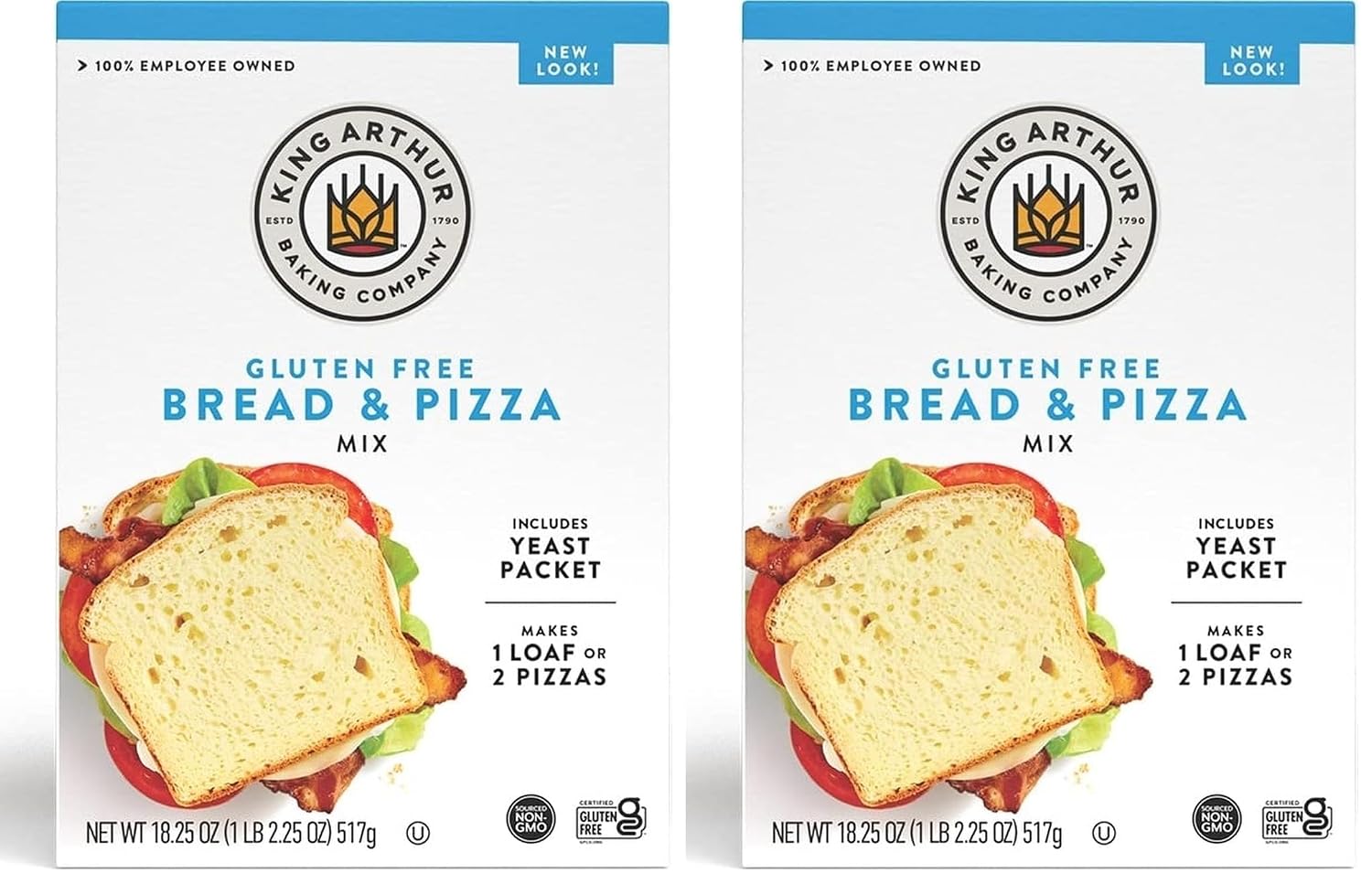
Similarly, certified gluten-free options utilize specialized flour blends designed to mimic traditional wheat textures without unpleasant grittiness. Selecting products fortified with essential iron, calcium, and vitamins adds extra nutritional value to your homemade meals. Reviewing these dietary specifications thoroughly guarantees that your chosen pizza base supports your personal health goals without sacrificing great taste or texture.
Portion Sizing and Household Requirements
Matching the crust size to your household size prevents food waste and ensures everyone gets enough to eat during busy dinner times. Individual seven-inch crusts allow family members to customize their own toppings, making mealtime interactive and fun for children and picky eaters. This format works wonderfully when household members strongly disagree on favorite cheese and meat toppings.
On the other hand, larger twelve-inch crusts provide traditional shareable pies that easily fit standard home baking sheets, pizza stones, and cast-iron pans. Multi-pack options let you conveniently stock your pantry for impromptu weekend gatherings or multiple easy weeknight meals. Carefully consider typical portion demands in your home before purchasing specific product sizes or multi-pack quantities.
Baking Equipment and Oven Compatibility
Different crust styles interact uniquely with your kitchen hardware, ranging from standard electric and gas ovens to specialized pizza stones. Raw dough mixes perform exceptionally well on preheated pizza stones or in heavy cast-iron skillets to achieve crisp bottom crusts. Ensuring your oven can reach appropriate high cooking temperatures significantly enhances the final baking results for scratch-made doughs.
Pre-baked flatbread crusts require less intense heat management, baking rapidly on standard baking sheets or direct wire oven racks. Because these bases are already cooked through during manufacturing, your main goal is melting cheese and heating toppings evenly. Reviewing manufacturer cooking instructions helps you select the right accessory for your specific crust style.
Storage, Shelf Life, and Pantry Planning
Stocking your pantry with shelf-stable pizza mixes and pre-baked crusts ensures you are always prepared for quick weeknight meals. Dry flour mixes typically offer extended shelf stability, letting you bake whenever inspiration strikes without worrying about rapid ingredient spoilage. Keeping a few backup bags on hand easily accommodates spontaneous cooking requests from family members or unexpected guests.
Pre-baked crust packs require careful attention to storage guidelines once opened to maintain optimal freshness and texture. Proper sealing or wrapping prevents ambient kitchen moisture from degrading the flatbread before baking day finally arrives. Evaluating your available pantry space and grocery rotation habits helps you maintain a reliable, accessible supply of pizza bases.
Flavor Profiles and Culinary Customization
The baseline flavor profile of your pizza crust sets the crucial stage for your chosen sauces, cheeses, and savory toppings. Traditional wheat and sourdough mixes impart distinct artisan notes that elevate simple kitchen ingredients into gourmet creations. Selecting a flavorful dough base wonderfully complements robust herbs, rich tomato sauces, and melting cheeses on pizza night.
Conversely, neutral or mild crust formulations provide a blank canvas that lets bold topping combinations take center stage without competing flavors. This culinary flexibility is especially valuable when cooking for children or guests with simpler palates who prefer straightforward tastes. Experimenting with different crust flavor profiles allows you to tailor every homemade pizza night to absolute perfection.
Frequently asked questions
How do I choose between a dry mix and a pre-baked pizza crust?
Choosing between a dry mix and a pre-baked crust depends primarily on how much time you want to spend in the kitchen. Dry mixes require measuring, mixing water or oil, and sometimes letting the dough rest before shaping, which delivers an authentic, scratch-made baking experience. Pre-baked crusts bypass these preparation steps completely, allowing you to add toppings immediately and bake within minutes. If you enjoy hands-on baking and custom thickness, go with a mix; if you need dinner ready instantly, choose pre-baked options.
Can I use sourdough or specialty flour mixes in a standard home oven?
Yes, specialty flour mixes and sourdough blends are specifically formulated to bake successfully in standard home ovens. Many of these mixes can be adapted for use on baking sheets, pizza stones, or even cast-iron skillets to help replicate high-heat pizzeria results. For the best outcome, preheating your baking surface and following the specific mixing instructions on the package will ensure your crust achieves a desirable texture, proper rise, and a crisp bottom crust.
Are there gluten-free options available for homemade pizza crusts?
Absolutely, there are certified gluten-free baking mixes designed specifically to help you create delicious pizza crusts at home. These specialized products utilize alternative flour blends that replicate traditional wheat structures without grittiness or unpleasant aftertastes. Many gluten-free mixes are also fortified with essential vitamins and minerals like iron, calcium, and vitamin B to boost nutritional value. They offer a reliable, safe alternative for individuals managing dietary restrictions while still enjoying homemade pizza night.
What is the typical baking time for ready-made pizza crusts?
Ready-made and pre-baked pizza crusts generally require a very short baking time because the flatbread base has already been cooked during initial manufacturing. Most pre-baked crust options bake in approximately seven to ten minutes once your sauce, cheese, and toppings have been added. Your primary objective in the oven is simply to melt the cheese, warm the toppings through, and lightly toast the edges. Always check the package directions for exact temperature recommendations and baking times.
How should I store leftover pizza crust mix or opened crust packages?
Proper storage depends entirely on whether you are working with an unopened dry mix or an opened pre-baked crust package. Unopened dry mixes should be kept in a cool, dry pantry until you are ready to bake. Once you open a package of pre-baked crusts, you must reseal or wrap the remaining product carefully to prevent ambient kitchen moisture from degrading the texture. Following manufacturer storage guidelines ensures your backup pizza bases remain fresh for future meals.