Appliances · Buying Guide
Best Semolina For Pizza Peel Options For Crisp Crusts
Finding the right flour to dust your pizza peel can completely change your homemade baking routine. Semolina flour provides a distinct coarse texture and resilient gluten structure that helps unbaked dough slide smoothly off a wooden or metal peel directly onto a blazing hot stone. Without the right dusting agent, even the most carefully stretched pizza can stick, ruining your toppings before it ever reaches the heat source.
Different brands offer varying grind sizes, protein levels, and packaging options designed to suit various kitchen styles. Whether you need a fine double-ground durum wheat or a robust coarse grind, selecting the appropriate bag size ensures you always have enough material on hand. Exploring these distinct options helps match your specific baking setup with a reliable dusting and dough-building ingredient.
As an Amazon Associate, StacyLaughs earns from qualifying purchases.
Buying guide
Understanding Grind Texture
Choosing the right grind texture is essential when preparing your baking station. Coarse ground semolina acts like tiny ball bearings beneath your unbaked dough, allowing it to slide off the peel effortlessly.
Finer double-ground flours integrate more smoothly into dough formulations while still offering reliable anti-stick properties when used sparingly. Evaluating your specific peel material helps determine whether a coarse or fine grind best prevents unwanted sticking incidents.
Evaluating Protein and Gluten Content
Durum wheat naturally contains robust proteins that develop strong, elastic gluten networks. This structural integrity is valuable not only for mixing directly into pizza dough and pasta but also for maintaining grain stability on hot baking surfaces.
High protein levels ensure that your chosen flour withstands high oven temperatures without burning too rapidly. Checking protein specifications helps you match the flour's resilience with your specific cooking setup.
Package Size and Storage Options
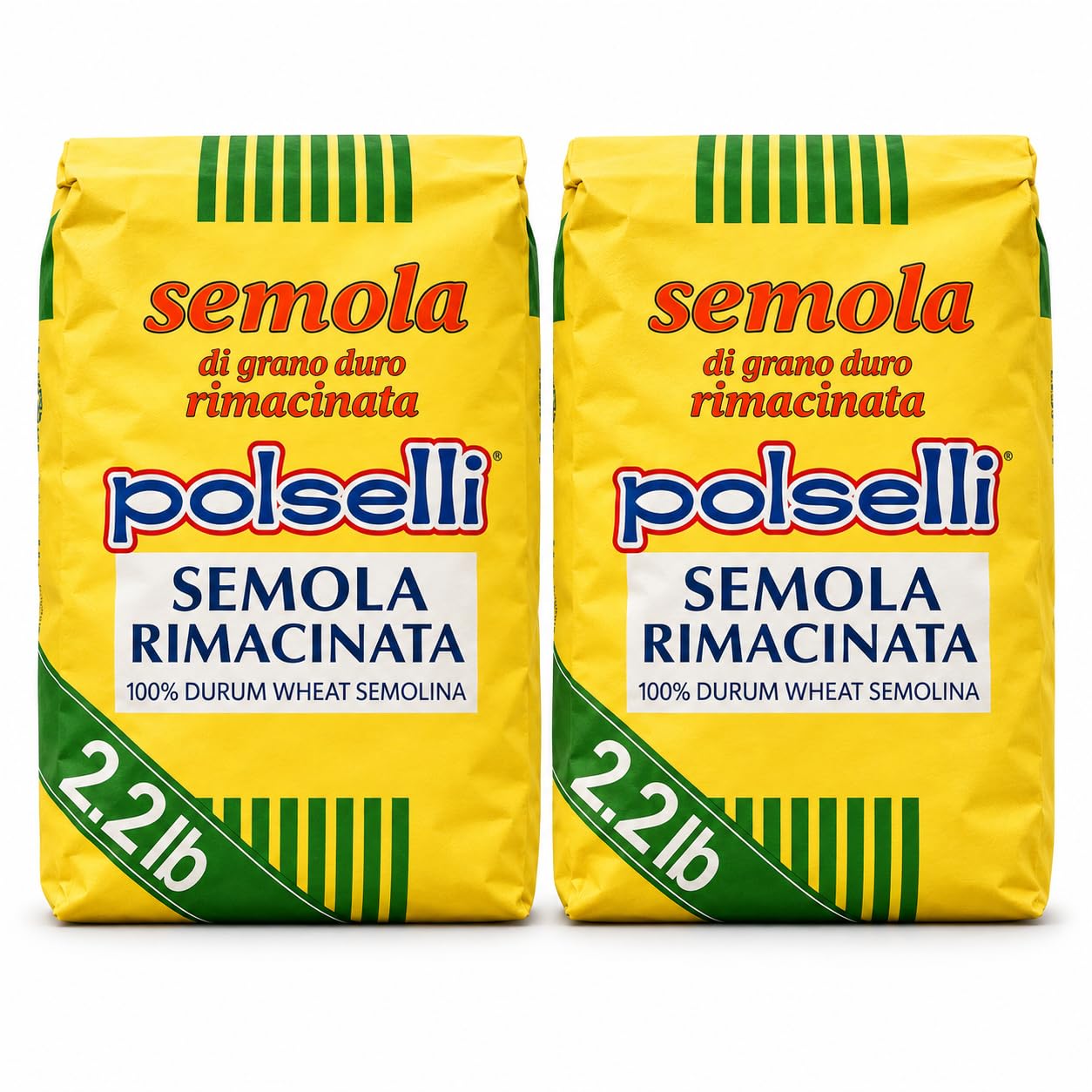
Purchasing options range from compact single-kilogram bags to large five-kilogram bulk sacks and multi-pack bundles. If you bake infrequently, smaller packages prevent the flour from sitting open for extended periods.
Dedicated home pizza makers often benefit from larger bulk quantities or resealable pouches that protect against household moisture. Matching package capacity to your baking frequency ensures lasting freshness.
Sourcing and Milling Origins
The geographic origin and milling traditions behind your semolina can influence its overall consistency and performance. Traditional Italian milling techniques often yield distinct particle size distributions favored by professional pizza makers.
Domestic milling options provide consistent domestic grain sourcing with clear labeling regarding protein levels. Reviewing where and how the wheat is processed helps you select an ingredient aligned with your preferences.
Matching Flour with Peel Materials
The interaction between your dusting flour and your pizza peel surface dictates how smoothly your dough launches. Wooden peels absorb minor moisture and pair wonderfully with a dusting of coarse semolina.
Metal peels feature smooth, non-porous surfaces where even a light layer of fine or coarse semolina creates an immediate sliding plane. Testing different application amounts prevents excess flour from burning on the oven floor.
Multi-Use Kitchen Versatility
Quality semolina functions as far more than a simple peel dusting agent. Its nutty flavor and firm texture make it a primary ingredient for artisanal breads, fresh homemade pasta, and specialty pizza crusts.
Choosing a versatile product allows you to utilize leftover flour across various baking projects rather than keeping single-use items in your pantry. Evaluating overall utility maximizes your grocery investment.
Frequently asked questions
Why use semolina instead of regular all-purpose flour on a pizza peel?
Semolina flour is milled from hard durum wheat, giving it a coarse particle structure and higher protein content compared to standard all-purpose flour. Regular flour tends to absorb moisture quickly from raw pizza dough, acting like glue and causing the crust to stick fast to the peel. Coarse semolina acts like tiny rollers under the dough, allowing it to slide smoothly off the surface and directly onto a hot baking stone without tearing or sticking mishaps during the launch.
Does semolina flour burn easily inside a hot pizza oven?
Any flour can burn if left exposed to extreme heat for too long, but coarse semolina is more resilient than fine white flour due to its dense endosperm structure. When launching a pizza, some loose semolina inevitably falls onto the oven deck. Coarse particles tend to toast rather than instantly char into bitter black ash. To minimize smoke and burnt flavors, simply brush away excess flour from your baking stone between successive pizza bakes using a long-handled oven brush.
Can I mix semolina directly into my pizza dough recipe?
Yes, incorporating semolina directly into your pizza dough recipe enhances both the flavor and texture of the final crust. The strong gluten network derived from durum wheat helps the dough hold its shape during stretching and creates a wonderfully crisp yet chewy exterior bite. Many bakers blend a specific proportion of semolina with standard pizza or type 00 flour to achieve an authentic artisanal crust profile that mimics traditional pizzeria results right inside a home kitchen setup.
How should I store open packages of semolina flour?
Proper storage keeps semolina fresh and free from moisture or pantry pests. If your flour comes in a resealable bag, squeeze out excess air and seal it tightly after each use. For non-resealable bags, transfer the flour into an airtight plastic or glass container and keep it in a cool, dry place. Storing flour correctly prevents clumping and preserves the natural nutty aroma and protein strength required for successful pizza launches and baking projects over time.
Is coarse semolina or fine semolina better for a pizza peel?
Coarse semolina is generally preferred for dusting pizza peels because its larger granules provide superior separation between the wet dough bottom and the peel surface. Fine semolina can sometimes pack down too densely if the dough sits for too long, increasing the risk of sticking. However, fine double-ground semolina works exceptionally well if you prefer a smoother texture under your crust or plan to incorporate the flour directly into your dough mix alongside other specialty bread flours.