Appliances · Buying Guide
Best Tools To Shape A Sourdough Loaf At Home
Learning how to shape a sourdough loaf successfully requires the right combination of traditional proofing baskets, reliable mixing tools, and heavy-duty baking pans to achieve a crisp crust and well-structured crumb. Home bakers frequently rely on natural rattan baskets or seasoned cast iron pans to properly support fermented dough as it rises on the counter before baking.
Selecting proper kitchen equipment helps manage sticky dough conditions and maintains uniform dimensions during the delicate final fermentation phase. Whether you need dual baskets for baking multiple boules simultaneously or a sturdy cast iron vessel for trapping oven steam, matching your kitchen tools to your specific recipe style noticeably improves everyday baking results and consistency.
As an Amazon Associate, StacyLaughs earns from qualifying purchases.
Buying guide
Basket Material and Construction
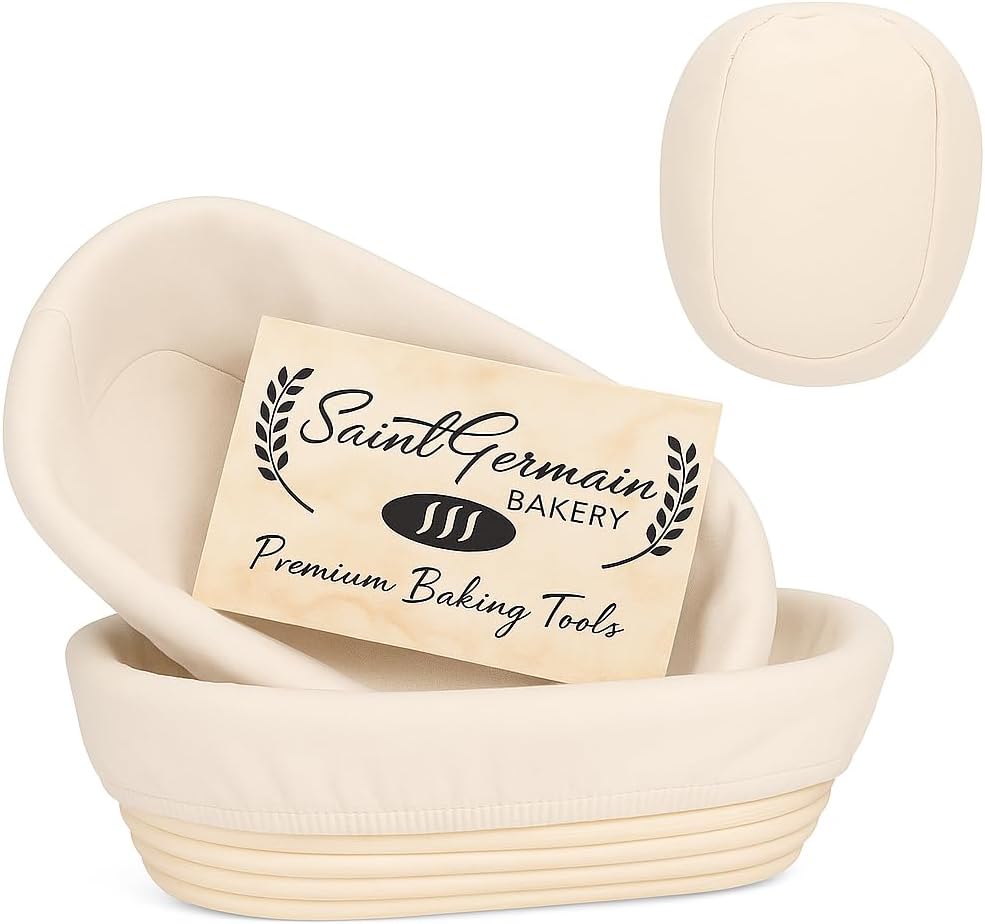
Choosing the right material ensures your dough releases cleanly after the final rise without tearing the delicate surface. Natural rattan cane remains a traditional favorite because it breathes well and absorbs excess surface moisture from the fermented dough. Always look for carefully smoothed, splinter-free finishes that prevent rough wood fibers from embedding into your unbaked boule during inversion.
Chemical-free construction is essential since these baskets make direct contact with food during extended proofing hours. Artisanal baskets crafted from sustainably sourced rattan offer reliable structural durability. Evaluating the tightness of the weave and overall build quality helps ensure the proofing vessel maintains its precise form over years of frequent home baking use.
Loaf Shape and Dimensions
The physical shape of your proofing container directly dictates the final silhouette of your artisanal bread. Round baskets produce classic boules suitable for traditional cutting, while oval baskets create elongated batards that fit sandwich formatting nicely. Matching the basket geometry to your preferred baking recipes keeps your internal crumb structure consistent across different batches of dough.
Dimension sizing also matters when accommodating varying flour weights and high hydration levels. Standard ten-inch or nine-inch diameters comfortably hold medium dough quantities without spilling over the outer rim. Reviewing your oven capacity alongside these physical dimensions prevents purchasing oversized baskets that fail to fit inside your domestic kitchen environment properly during active baking phases.
Accessory Inclusion and Completeness
Purchasing a baking kit that bundles essential tools saves time and eliminates the need to source individual items separately across different retail stores. Look for sets that include linen liners, which provide a smooth fabric barrier for exceptionally sticky wet doughs. Additional items like bench scrapers and precise scoring lames further assist with safe dough handling routines.
Having a dedicated dough whisk and stiff cleaning brush makes mixing ingredients and maintaining your equipment much simpler over time. While standalone baskets suit bakers who already own tools, comprehensive gift sets provide everything required to start shaping loaves immediately. Evaluate whether bundled extras genuinely match your current baking skill level and existing kitchen tool collection.
Pan Heat Retention and Steaming
Moving from proofing baskets to actual baking requires robust cookware that can manage high residential oven temperatures safely. Heavy-duty cast iron pans offer exceptional thermal mass, ensuring even heat distribution for a well-risen artisanal loaf. Pre-seasoned cast iron surfaces also deliver natural non-stick qualities without relying on synthetic chemical coatings that might degrade over time under extreme heat.
Trapping steam during the initial baking phase is crucial for developing a blistered, crackly crust on artisanal sourdough loaves. Baking pans equipped with secure-fit lids lock in internal moisture effectively during the first twenty minutes of the bake cycle. Furthermore, flat lids that double as stovetop skillets add practical versatility to your heavy kitchen cookware investment.
Maintenance and Cleanup Requirements
Proper maintenance extends the functional lifespan of your baking equipment and prevents mold or rancid flour buildup over time. Natural rattan proofing baskets require minimal active washing; simply shaking out excess dry flour after each use is usually sufficient. If wet dough accidentally sticks, let it dry completely before brushing it away with a stiff cleaning tool.
Cast iron baking pans demand a completely different routine, requiring gentle hand washing with warm water followed by thorough immediate drying. Applying a thin coat of cooking oil after every wash prevents rust development and preserves the seasoned non-stick coating. Following these manufacturer care guidelines ensures your metal and wicker tools remain dependable for years.
Storage and Kitchen Space Management
Managing your kitchen footprint is important when collecting multiple proofing baskets and heavy baking pans. Round and oval rattan baskets are lightweight and can sometimes be nested if sizes permit, though rigid woven frames still take up fixed cabinet dimensions. Assess your available pantry storage space before purchasing multi-piece basket sets for your home.
Heavy cast iron loaf pans require sturdy shelving capable of supporting substantial weight compared to lightweight wicker or fabric. Storing lids separately or stacking pans carefully prevents scratches on pre-seasoned metal surfaces. Planning your storage layout in advance ensures your new baking tools integrate smoothly into your existing kitchen organization scheme without creating unnecessary clutter.
Frequently asked questions
Do I need to use cloth liners inside rattan proofing baskets?
Cloth liners are optional when using rattan proofing baskets, though many bakers prefer them for easier cleanup and to prevent wet dough from sticking to the natural wood fibers. If you choose to bake without a liner, ensuring the basket is sufficiently dusted with flour helps the dough release smoothly onto your baking surface. Liners are especially helpful for beginners managing high hydration doughs that tend to cling to raw rattan.
How do I clean my rattan proofing baskets after shaping bread?
Cleaning natural rattan baskets is straightforward and rarely requires water. After each proofing session, simply shake out any excess dry flour from the interior. If dough has accidentally adhered to the rattan surface, wait until it dries completely before using a stiff bristled brush to gently flake it away. Avoid submerging rattan baskets in water or putting them in a dishwasher, as moisture can cause mold growth and weaken the woven cane structure.
What is the difference between round and oval proofing baskets?
Round and oval proofing baskets serve different aesthetic and functional purposes when shaping bread dough. Round baskets produce classic boules that work well for standard round scoring patterns and traditional baking pots. Oval baskets shape dough into elongated batards, which are ideal for slicing into sandwich-sized portions. Choosing between them depends entirely on your preferred loaf style, toaster dimensions, and how you plan to slice and serve your finished artisanal bread at home.
Can I bake sourdough bread directly inside a cast iron loaf pan?
Yes, heavy-duty cast iron loaf pans are specifically designed for baking artisan sourdough, banana bread, and other homemade loaves directly in the oven. Pre-seasoned cast iron provides exceptional thermal mass for even heat distribution and a wonderfully crisp crust. Furthermore, baking pans equipped with secure-fit lids trap steam during the initial baking phase, which helps replicate the environment of a professional steam-injected oven for superior crust development, rise, and overall texture.
How do I maintain a pre-seasoned cast iron loaf pan?
Maintaining a pre-seasoned cast iron loaf pan requires strict adherence to hand-washing guidelines. Always wash the pan gently using warm water without harsh dish soaps, then dry it immediately and thoroughly to prevent rust. Applying a very thin layer of cooking oil across the interior and exterior surfaces after every wash preserves the natural non-seasoned coating and protects the metal. Never place cast iron cookware in a dishwasher or store it while damp.