Appliances · Buying Guide
Best Silicone Baking Loaf Pan Options for Homemade Bread
Baking homemade bread, meatloaf, and pound cakes at home relies on choosing reliable bakeware that supports easy food release and straightforward cleanup. Traditional metal pans often require extensive greasing or parchment paper to prevent sticking, whereas flexible silicone options offer a modern alternative for everyday bakers. These pans come in various sizes, multi-packs, and reinforced designs to match different kitchen setups.
Exploring the available options helps you find a loaf pan that suits your favorite recipes, whether you bake standard sandwich loaves or sweet fruitcakes. Modern silicone bakeware combines flexible walls with temperature resistance for everyday oven use. Understanding the specific dimensions, pack counts, and structural features of different models ensures you select the right tool for your daily baking routine.
As an Amazon Associate, StacyLaughs earns from qualifying purchases.
Buying guide
Material Composition and Flexibility
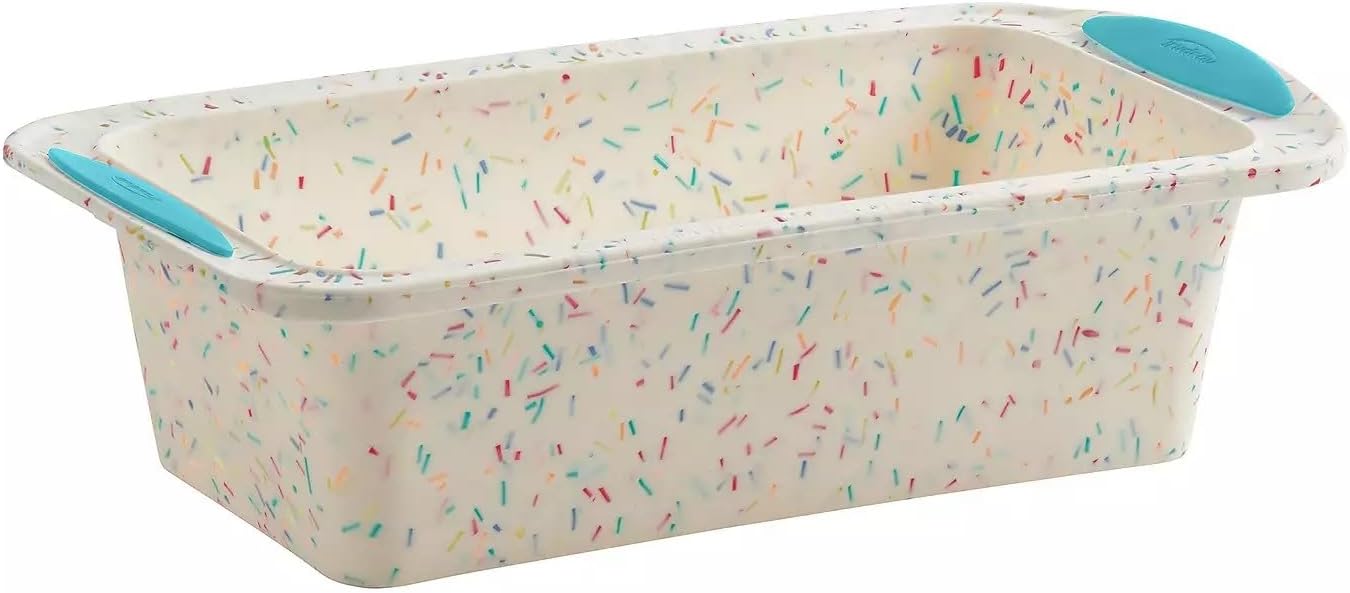
Silicone loaf pans provide a flexible alternative to traditional metal bakeware for everyday home baking. Pure silicone models allow you to bend the flexible walls and push baked goods directly out from the bottom without scraping. However, this inherent flexibility means the side walls can bow outward slightly when filled with heavy wet dough mixtures.
Selecting the right model depends entirely on whether you prefer total wall flexibility or reinforced structured support. Many manufacturers integrate steel frames or sturdy rims into the design to prevent unwanted sagging during transport. Evaluating how much structural rigidity your recipes require ensures safe movement from the kitchen counter to the hot oven rack.
Size and Dimensional Requirements
Loaf pans generally come in standard dimensions such as 8.5 by 4.5 inches or larger 9 by 5-inch formats. Smaller pans produce compact loaves suitable for smaller households, snack portions, or specialty quick breads. Larger versions accommodate standard sandwich bread recipes and substantial family meatloaf portions comfortably without overflowing.
Checking your oven space and typical recipe volume prevents sizing mismatches during food preparation. A larger pan provides extra headspace capacity for rising yeast dough, while a compact model fits neatly into narrower ovens or smaller kitchen storage areas. Carefully matching these physical dimensions to your regular baking habits ensures reliable and consistent outcomes.
Temperature Ratings and Thermal Limits
Most food-grade silicone bakeware handles high oven temperatures safely, often spanning from 428 degrees Fahrenheit up to 500 degrees Fahrenheit depending on the specific manufacturing design. Exceeding these stated upper thermal limits can degrade the silicone material and permanently ruin your bakeware. Always verify the maximum heat threshold before using pans for specialized high-temperature baking tasks.
In addition to high heat resistance, many silicone loaf pans withstand freezing temperatures without cracking or splitting. This thermal shock resistance lets you prepare freezer-to-oven recipes or store unbaked dough directly inside the mold for later use. Matching the manufacturer temperature specifications to your preferred baking methods protects your kitchen investment over years of regular family use.
Cleaning and Maintenance Protocols
Keeping silicone bakeware clean is remarkably straightforward due to the naturally smooth nonstick surface properties of the material. Most silicone loaf pans are completely dishwasher safe, allowing you to toss them directly into the machine after letting them cool down fully. Hand washing with warm soapy water also removes stubborn crumbs quickly without requiring abrasive scrubbing tools.
Avoid using harsh scouring pads or sharp metal utensils that can puncture or tear the flexible silicone walls during routine cleaning tasks. Following manufacturer maintenance guidelines preserves the nonstick finish and prevents premature material wear over time. Proper cleaning routines ensure your loaf pans remain hygienic and ready for your next baking session.
Storage and Multi-Pack Configurations
Silicone loaf pans are available in single units, convenient two-packs, or larger multi-packs containing three or more vibrant molds. Buying a multi-pack is ideal if you frequently bake multiple loaves simultaneously or like preparing different recipes in weekly batches. However, storing multiple rigid-framed or soft pans requires adequate cabinet space in your kitchen.
Many multi-pack sets feature clever nesting designs that allow the individual pans to stack compactly inside one another. This space-saving attribute makes larger sets much easier to store in crowded kitchen cupboards without creating clutter. Carefully consider your available storage space and baking frequency when choosing between single pans and larger sets.
Structural Reinforcement and Support
While pure silicone offers maximum flexibility for pushing out baked goods, reinforced pans add metal frames or steel rims for enhanced stability. A reinforced edge prevents the pan sides from bowing outward when you carry heavy liquid batters across the kitchen. This clever balance of materials gives you structural confidence during routine oven transfers.
Weighing the benefits of reinforced metal frames against pure soft silicone helps determine your ideal baking experience. If you regularly bake heavy meatloaves or dense fruitcakes, a steel skeleton provides welcome handling stability. For quick release of delicate sponge cakes, flexible unreinforced walls remain a very popular choice among home bakers.
Frequently asked questions
Do silicone loaf pans require greasing before baking bread?
Most silicone loaf pans feature a naturally slick nonstick surface that allows baked goods to release easily without heavy greasing or parchment paper liners. However, applying a light coating of cooking oil or butter is still recommended for certain sticky recipes or sweet cakes to ensure effortless removal. The flexible silicone walls let you gently press from the bottom to pop loaves out cleanly, minimizing the risk of tearing your homemade bread or meatloaf.
Can silicone loaf pans go safely into the dishwasher?
Yes, almost all silicone loaf pans are fully dishwasher safe for convenient cleanup after baking sessions. You can simply place them on the top or bottom rack of your dishwasher once they have cooled down. Alternatively, hand washing them in warm soapy water with a soft sponge takes only a minute and removes any leftover crumbs. Avoid using abrasive steel wool pads to protect the smooth finish and extend the lifespan of your bakeware.
Are silicone loaf pans safe to use in microwave ovens?
Many silicone loaf pans are engineered to be microwave safe, allowing you to warm foods or bake quick recipes directly in the appliance. Always verify the manufacturer specifications and temperature ratings of your specific pan model before exposing it to microwave heating. Silicone handles a wide temperature range, but ensuring your product guidelines permit microwave use prevents any material damage during your food preparation tasks.
How do I prevent a flexible silicone loaf pan from bending when filled?
Flexible silicone loaf pans can bow outward when filled with heavy wet dough or batter because they lack the rigid walls of traditional metal pans. To prevent spills and keep your pans stable, place your silicone loaf pan onto a sturdy metal cookie sheet or baking tray before pouring in your mixture. This provides a solid flat base that makes moving the filled pan into and out of the oven much safer.
What is the maximum temperature silicone loaf pans can handle?
Most quality silicone loaf pans withstand upper temperatures ranging from 428 degrees Fahrenheit up to 500 degrees Fahrenheit, depending on the specific brand and construction materials. Exceeding these stated limits can cause the silicone to degrade or warp. Always check the manufacturer guidelines for your exact model before using it for high-heat recipes or placing it near active broiler elements to protect your bakeware from permanent damage.