Appliances · Buying Guide
Best Silicone Baking Tray Liner Choices for Easy Kitchen Baking
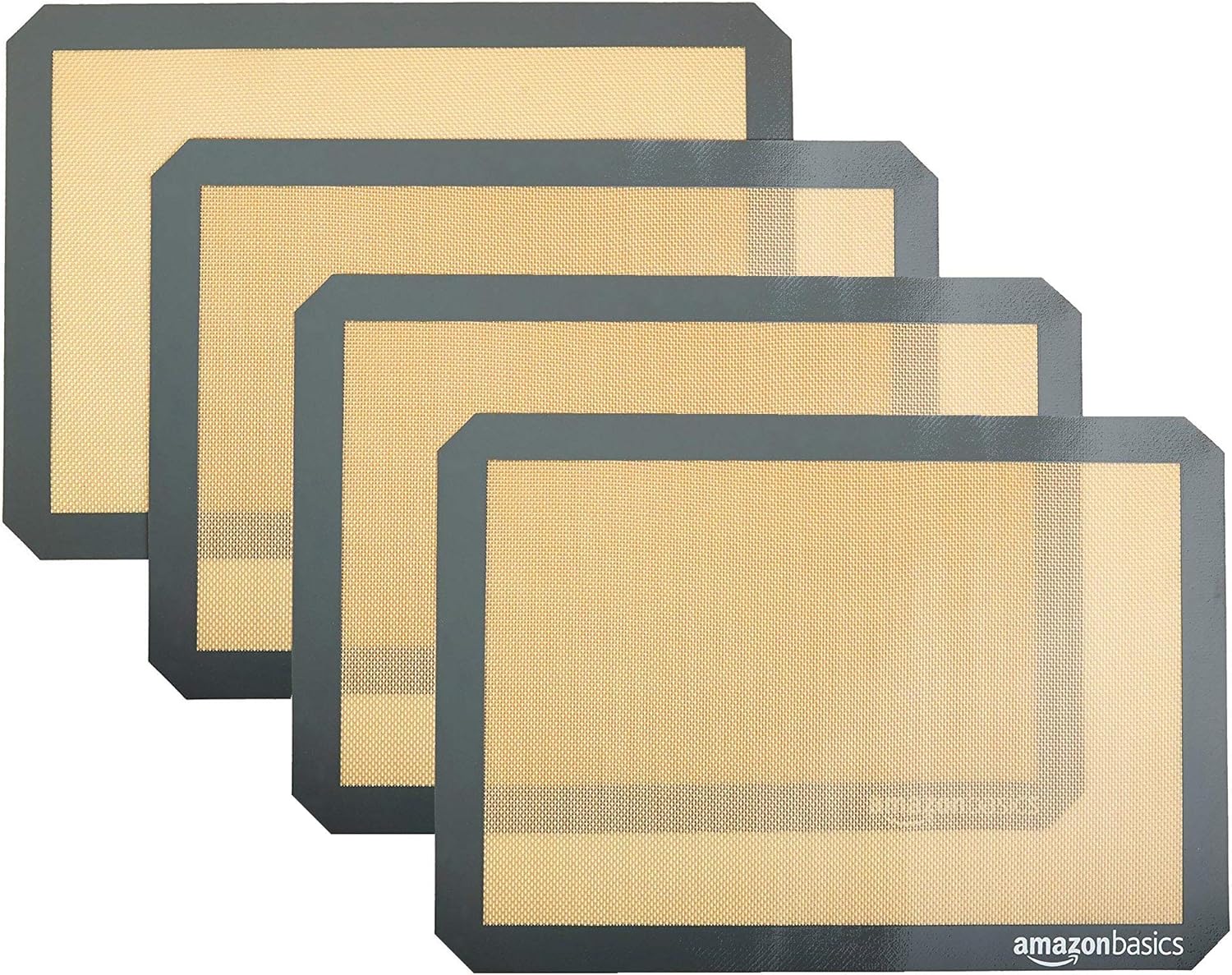
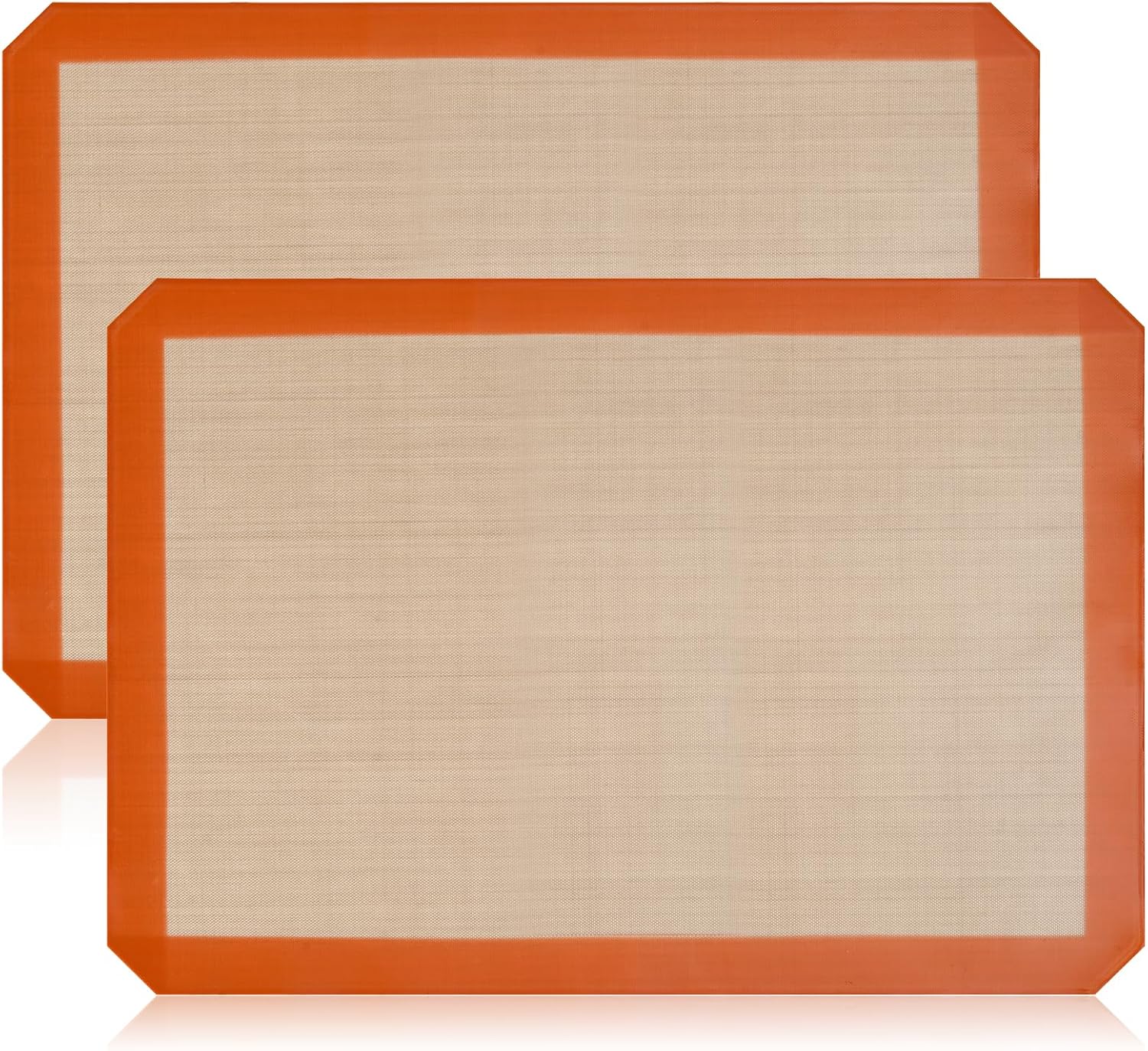
Choosing a reliable silicone baking tray liner can transform how you handle everyday sheet-pan meals, delicate pastries, and sticky cookie doughs. These versatile accessories eliminate the constant need for single-use parchment paper or messy cooking sprays, providing a dependable nonstick surface that simplifies both food release and subsequent cleanup routines in busy home kitchens.
Whether you are roasting vegetables, baking large batches of bread, or crafting intricate sweets, exploring different sizes, thicknesses, and pack configurations ensures you find the right fit for your specific baking pans. Evaluating these flexible silicone options helps you build a more sustainable and efficient baking setup without unnecessary kitchen waste.
As an Amazon Associate, StacyLaughs earns from qualifying purchases.
Buying guide
Material Composition and Safety Standards
Selecting the right silicone baking tray liner begins with understanding its core material composition. Pure food-grade silicone combined with fiberglass reinforcement provides superior durability, stable structural support, and even heat distribution across the entire cooking surface. Ensuring that your chosen mats are completely free from unwanted chemical additives gives you everyday confidence during meal preparation and high-heat baking tasks.
Manufacturers often specify whether their products meet strict food safety guidelines and temperature thresholds. Reviewing these structural details helps you choose reliable liners that resist warping, cracking, or degrading over time. Investing in quality materials ensures your baking accessories maintain their smooth nonstick properties through countless kitchen batches without requiring extra oils or sprays.
Dimensions and Pan Compatibility
Matching your silicone mat dimensions to your actual baking pan interiors is essential for achieving a proper flat fit. Standard half-sheet and quarter-sheet sizes cater to most conventional trays, but measuring your specific cookware before purchasing prevents frustrating edge overhang or awkward bunching inside the oven chamber. Taking time to compare dimensions guarantees smooth placement across the tray surface.
Some specialty designs feature square dimensions or unique edge structures tailored for specific containment needs. Evaluating how the liner rests inside your kitchen trays ensures even heat transfer and prevents food from catching on folded corners during removal. Proper sizing stops uneven baking and protects the edges of your mats from direct exposure to heating elements.
Thickness and Flexibility
The thickness of a silicone baking mat directly influences its flexibility, weight, and overall storage capabilities in your kitchen. Ultra-thin models around zero-point-four millimeters offer lightweight handling and roll up effortlessly into compact spaces, making them ideal for minimalist kitchens or busy storage drawers where room is limited. These thin profiles provide quick flexibility when transferring items.
Thicker mats often feature a reinforced fiberglass core that provides a stiffer, more robust structure. This heavier build resists warping during extended high-heat baking sessions and heavy-duty roasting. Deciding between a lightweight flexible profile and a sturdy reinforced build depends entirely on your personal storage preferences, handling comfort, and typical baking frequency.
Temperature Limits and Heat Safety
Understanding temperature limits is crucial for safely utilizing silicone baking mats across various kitchen appliances. Most quality mats withstand extreme ranges from negative forty up to five hundred degrees Fahrenheit, comfortably accommodating standard ovens, microwaves, freezers, and toaster ovens. This wide thermal tolerance allows you to transition dishes smoothly from frozen storage straight into a hot baking environment.
Exceeding manufacturer temperature thresholds or placing mats directly on open oven racks can permanently compromise the material. Always use a supporting metal baking tray underneath your silicone liners and keep them safely away from direct heating elements or open flames to ensure longevity and secure daily operation during high-heat roasting tasks.
Cleaning and Maintenance Routines
Maintaining your silicone baking tray liner properly ensures long-term performance and keeps the nonstick surface functioning smoothly batch after batch. Most mats feature dishwasher-safe construction, allowing for highly convenient cleanup once the material cools down completely after baking. Letting the mat cool before washing prevents thermal shock and preserves the flexible silicone structure over years of regular use.
For quick cleanups between baking sessions, wiping the surface with warm soapy water removes food residue effortlessly without harsh scrubbing. Always avoid using sharp knives, metal utensils, or abrasive scouring pads directly on the silicone to prevent accidental cuts, punctures, or surface degradation that could ruin the nonstick properties of your baking accessories.
Surface Performance and Food Release
The primary advantage of a silicone baking mat is its reliable nonstick surface, which releases baked goods effortlessly without requiring added oils, cooking sprays, or single-use parchment paper. This helpful quality makes handling sticky cookie doughs, delicate pastries, caramel, and melted cheese much simpler during everyday kitchen prep and baking routines.
While most standard recipes require zero added greasing, exceptionally sticky or high-sugar items may still benefit from a very light coating to guarantee pristine food release. Evaluating how different ingredients interact with your specific mat helps you achieve optimal baking results and prevents frustration when removing delicate items from the tray.
Frequently asked questions
Do I need to use cooking spray or oil on a silicone baking mat?
Most standard recipes require no added oil, cooking sprays, or parchment paper because the natural nonstick surface of the silicone allows baked foods to release easily. However, exceptionally sticky, sugary, or wet batters may benefit from a very light greasing to ensure effortless removal. Reviewing your specific recipe requirements helps determine whether extra oil is necessary, keeping your cleanup routine simple while preventing food from sticking during high-heat baking tasks.
Can I place my silicone baking mat directly on the oven rack?
You should never place a silicone baking mat directly on an open oven rack. These flexible liners require a sturdy metal baking tray underneath for proper structural support and stability during heating. Placing them directly on racks exposes the material to open flames or direct heating elements, which can cause severe damage. Always pair your mat with a matching baking pan and keep it safely positioned away from extreme heat sources.
How should I clean and store my silicone baking mats?
Cleaning is straightforward since most mats are dishwasher safe once they cool down completely after baking. For quick maintenance between batches, you can simply wipe the surface clean using warm soapy water. When storing, lay the mats completely flat or roll them loosely to maintain their shape and prevent creases. Avoid folding them tightly or creasing the material, as sharp bends can damage internal fiberglass reinforcements or weaken the silicone structure over time.
What temperature limits apply to silicone baking tray liners?
Most silicone baking mats withstand a wide temperature range, typically from negative forty degrees up to five hundred degrees Fahrenheit, making them versatile for ovens, microwaves, freezers, and toaster ovens. It is important to avoid prolonged exposure at the maximum limit of five hundred degrees to protect the material from degrading. Always check specific manufacturer guidelines before using your liners in high-heat environments or unconventional kitchen appliances to ensure safety and durability.
Can I cut or trim my silicone baking mat to fit a smaller pan?
You should never cut, trim, or use sharp utensils directly on standard silicone baking mats. Cutting through the material ruins its structural integrity, especially for models featuring a reinforced fiberglass core, and can cause fraying or expose internal fibers. If you need a smaller size for compact trays or toaster ovens, it is best to purchase a dedicated quarter-sheet mat or a smaller pre-sized liner rather than attempting to alter a larger sheet.