Appliances · Buying Guide
Best Silicone for Baking Safe Picks for Everyday Kitchen Use
Baking with flexible silicone materials has become a popular choice for home cooks looking for convenient release surfaces and easy cleanup without traditional parchment paper. Selecting the right silicone tools depends on matching the specific pan shape, sheet size, or mat count to your routine baking tasks, whether preparing simple treats or complex layered desserts.
Whether you are baking large batches of cookies, whipping up standard muffins, or exploring diverse cake molds, understanding the physical properties of these items helps ensure proper kitchen use. Reviewing individual specifications allows you to choose appropriate bakeware configurations for your specific recipes, ensuring that your oven-safe cookware fits neatly into your daily baking schedule and storage spaces.
As an Amazon Associate, StacyLaughs earns from qualifying purchases.
Buying guide
Evaluating Silicone Material Composition
When selecting silicone bakeware, checking the material composition is essential for ensuring food safety and reliable performance in your kitchen. High-grade silicone compounds are designed to resist stains and odors while enduring extreme temperature shifts. Many products feature food-grade silicone construction free from harmful chemicals like BPA. Understanding these material attributes helps you choose products that maintain structural integrity over time.
Manufacturers often blend flexible polymers with reinforced frames to add rigidity. Reviewing these structural details prevents unexpected flexing when transferring heavy batters. Choosing certified food-grade options ensures your bakeware interacts safely with ingredients across various recipes, from morning muffins to evening sheet cakes, giving you dependable performance batch after batch without imparting unwanted flavors or odors into your favorite culinary creations.
Understanding Temperature Limits and Tolerances
Every silicone baking tool operates within specific thermal boundaries, usually ranging from sub-zero freezer levels up to high oven temperatures. Exceeding these specified upper ratings can damage the flexible polymer or compromise its non-stick properties. Always check the maximum heat threshold before placing molds in convection ovens, conventional ovens, or air fryers to prevent material degradation during extended baking cycles.
Thermal resistance also dictates whether items can transition directly from cold storage into hot environments. Freezing readiness allows you to prepare make-ahead recipes in advance, storing batter or shaped treats until baking time. Matching your typical baking temperatures to the stated heat ratings ensures your bakeware remains durable, flexible, and safe for daily use across diverse cooking methods without warping or releasing odors.
Assessing Structural Support and Frame Design
While pure silicone offers exceptional flexibility for food release, floppy walls can cause spills when transporting heavy liquid batters. To counter this, many modern baking pans integrate metal-reinforced frames into their design. These embedded steel structures provide rigid perimeters that maintain the pan shape and allow secure handling from counter to oven. Evaluating whether a mold requires external support helps prevent accidental kitchen messes.
Flat baking mats similarly require a separate rigid tray underneath for proper physical support during transport. Without a solid foundation, flexible sheets can sag between oven racks, leading to uneven baking results. Reviewing how each piece achieves structural rigidity ensures you select items that integrate smoothly with your existing metal bakeware inventory, balancing the benefits of flexible non-stick releases with necessary stability.
Sizing Molds and Sheets for Your Oven
Measuring your oven interior and existing metal pans is a crucial step before purchasing any silicone baking set. Rectangular mats and specialty cake molds come in precise dimensions that must match your cookware to avoid awkward overlapping. Checking dimensions prevents frustrating fit issues where oversized mats curl up against oven walls or fail to sit flat on standard wire racks.
Capacity ratings for muffin pans and specialty molds also dictate batch sizes for your household. A standard twelve-cup pan suits everyday family meals, while multi-pack combinations or mini pans expand options for parties. Carefully comparing stated product measurements against your storage spaces and oven cavity ensures that your new bakeware fits comfortably both during active baking sessions and when tucked away in cabinets.
Cleaning and Maintenance Best Practices
Proper maintenance preserves the non-stick qualities of silicone bakeware over years of regular kitchen use. Most quality silicone items are dishwasher safe, allowing convenient cleanup on the top rack once the materials have cooled down completely. Hand washing with warm water and mild soap using a soft sponge also removes stubborn residue without scratching the sensitive surface compound or altering its flexibility.
Avoid using abrasive scouring pads, harsh chemical cleaners, or sharp metal utensils that can puncture or tear the flexible silicone material. Storing mats flat or loosely rolled prevents permanent creases that can interfere with future baking results. Following these simple manufacturer guidelines ensures your bakeware maintains its appearance, resists food sticking, and provides consistent performance for all your future baking projects.
Balancing Storage Space and Bakeware Versatility
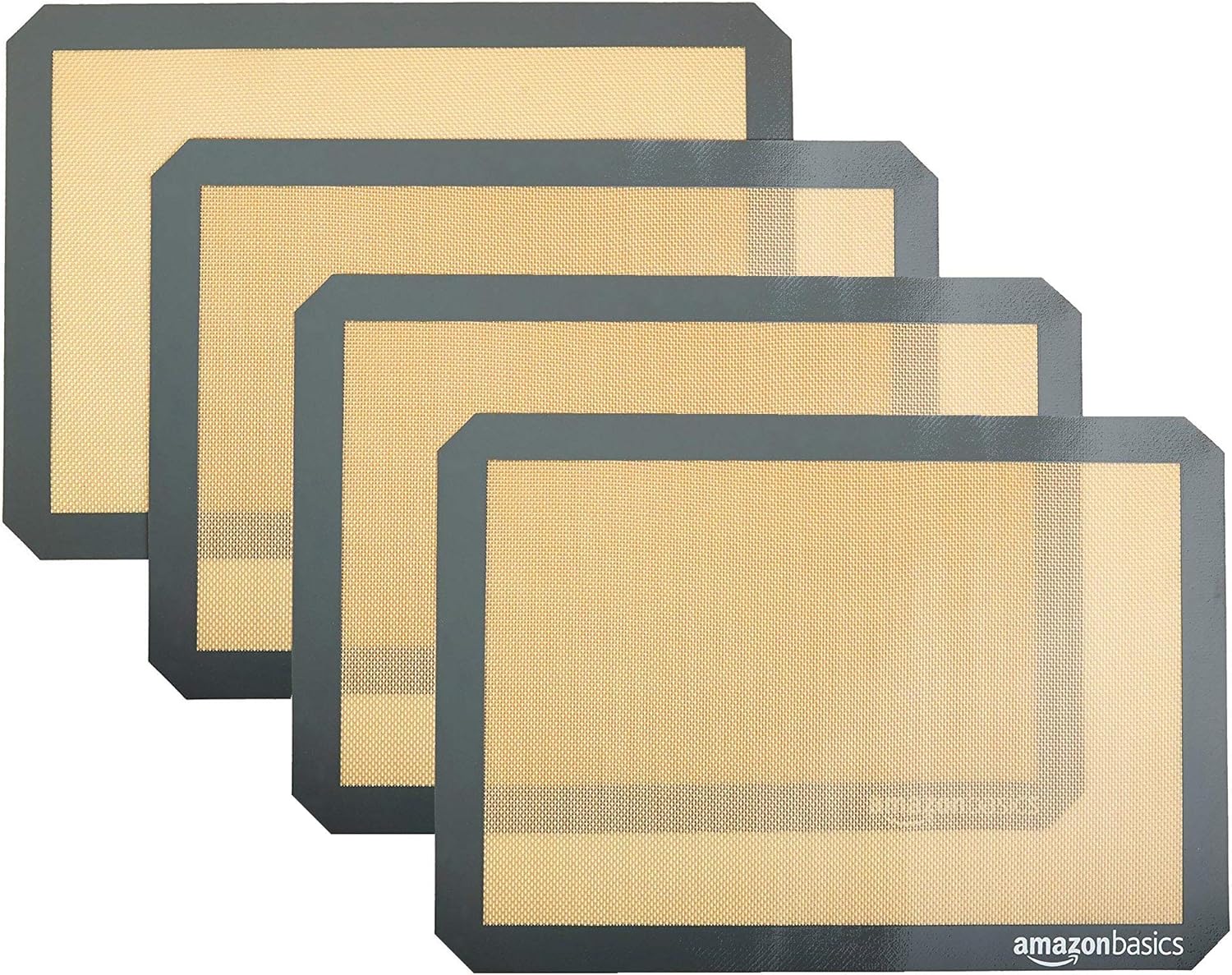
Comprehensive bakeware sets offer incredible versatility by including diverse specialty molds, measuring cups, and loaf pans in a single purchase. However, housing thirty-two distinct pieces requires considerable cabinet and drawer space in your kitchen. Assessing your actual storage capacity helps determine whether a massive multi-piece set or a minimalist multi-pack of baking mats better suits your available organizational setup.
Flexible silicone items can often be nested, stacked, or hung from hooks to maximize small kitchen storage layouts. Considering how easily items fold or stack lets you enjoy a wide range of baking options without overwhelming your cupboards. Balancing your desire for diverse culinary molds with practical storage constraints ensures your kitchen remains organized and functional for everyday cooking tasks.
Frequently asked questions
Do silicone baking mats require cooking spray or oil?
Most recipes do not require added oil, cooking spray, or parchment paper because the natural non-stick properties of food-safe silicone allow baked goods to release cleanly. However, sticky or high-sugar foods such as caramel treats or heavily sweetened doughs may benefit from a very light greasing to ensure effortless removal. Always evaluate your specific recipe ingredients before baking to determine whether a light application of oil is helpful for your particular batch.
Can I place silicone baking mats directly on my oven rack?
No, flexible silicone baking mats require physical support from a rigid baking tray or sheet pan during use. Placing a mat directly on an open oven rack can cause it to sag between the wires, leading to uneven baking or potential contact with heating elements. Always lay your silicone mats flat on a supporting metal pan before sliding them into the oven to ensure safe and stable baking results.
Are metal-reinforced silicone pans safe for daily baking?
Yes, silicone pans featuring embedded metal frames are fully safe for daily baking routines. The sturdy metal perimeter adds structural stability, preventing the flexible silicone walls from bending or spilling liquid batters when you transport them from the counter to the oven. These pans typically withstand high temperatures up to 446 or 450 degrees Fahrenheit, making them durable, reliable choices for regular muffin, cupcake, and bread-making applications.
How should I clean and store my silicone bakeware?
You can clean most silicone bakeware by placing it in the dishwasher, preferably on the top rack, or by hand washing it with warm water and a mild soap using a soft sponge. Avoid abrasive scrubbers and sharp utensils that can damage the material. For storage, keep mats flat or loosely rolled to prevent permanent creasing, and stack or hang flexible molds to save cabinet space while maintaining their structural form.
Can silicone bakeware be used in the freezer and microwave?
Many silicone baking products are engineered to handle extreme temperature ranges, often extending from negative forty degrees up to over four hundred degrees Fahrenheit. This broad thermal tolerance allows you to transition molds seamlessly from freezer storage for make-ahead meal prep directly into microwaves, conventional ovens, or air fryers. Always check the specific upper and lower temperature ratings provided for your particular bakeware set before exposing items to extreme thermal shifts.