Appliances · Buying Guide
Best Silicone Mini Bread Loaf Pans for Easy Baking and Release
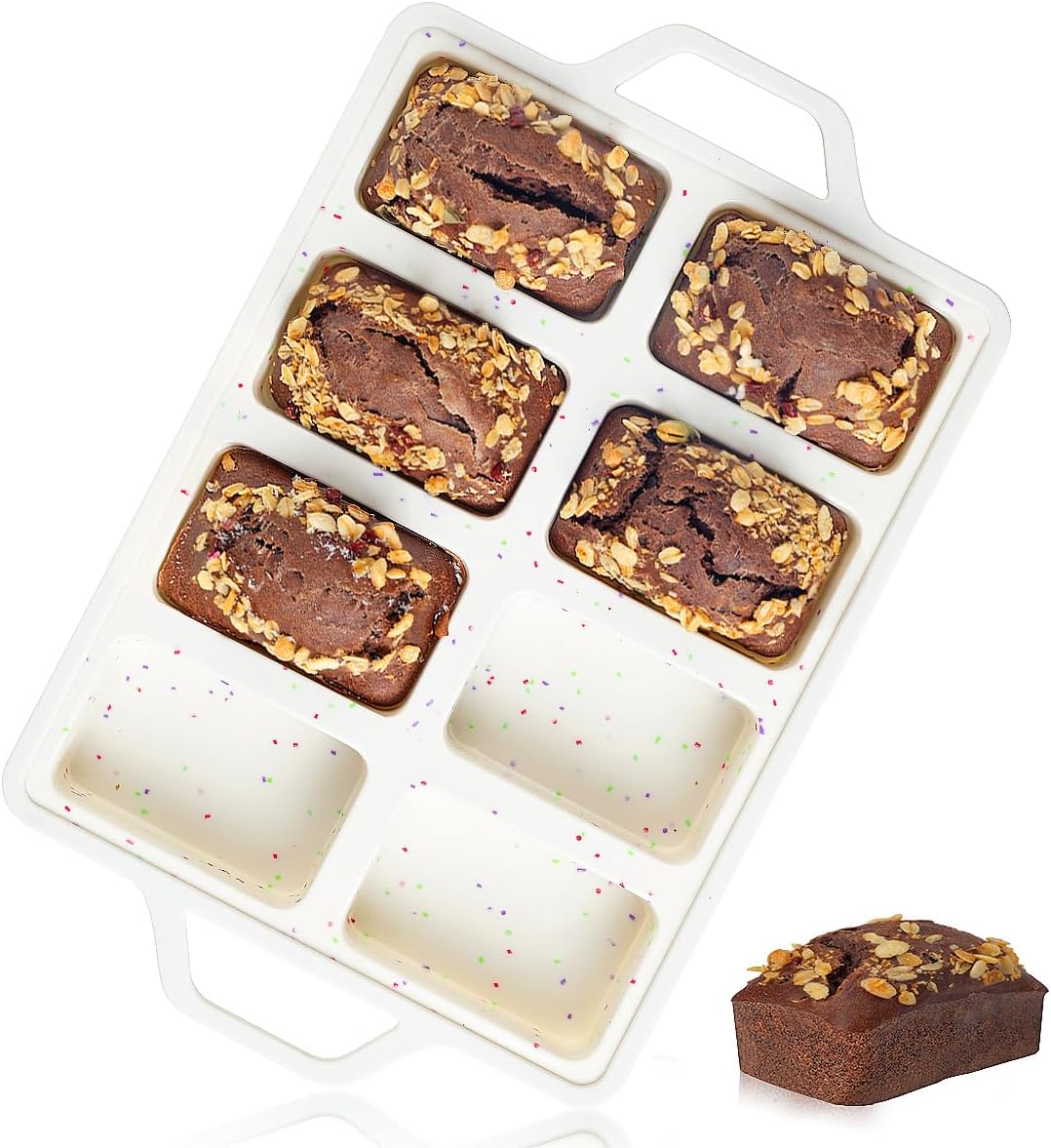
Baking individual portions, mini quick breads, and savory meatloaves has become remarkably simple with flexible silicone mini bread loaf pans. These specialized baking molds combine non-stick flexibility with varied cavity counts and sizes to suit different household needs, kitchen storage spaces, and recipe batch sizes without requiring excessive cleanup effort.
Whether you are preparing portion-controlled snacks, giftable holiday treats, or everyday meal prep, choosing the right mold depends on understanding material reinforcements, heat resistance limits, and overall dimensions. Examining the specific design attributes of popular options helps home bakers select the ideal tools for successful, stress-free baking results.
As an Amazon Associate, StacyLaughs earns from qualifying purchases.
Buying guide
Material Composition and Food Safety
Selecting silicone baking tools begins with thoroughly verifying food-grade compliance and material safety standards. High-quality silicone pans avoid cheap chemical fillers, ensuring that sweet quick breads and savory meatloaf recipes remain completely untainted during extended high-temperature baking cycles in your kitchen oven.
Premium options explicitly state that they are free from harmful compounds like BPA and PVC for safe everyday use. Checking these foundational specifications guarantees peace of mind when preparing family meals, children lunchbox snacks, or frozen desserts across repeated baking sessions throughout the year.
Structural Reinforcement and Stability
While flexible silicone provides excellent non-stick release, unreinforced molds can bend or sag when filled with heavy batter. Choosing pans with integrated stainless steel frames or reinforced rims offers essential structural stability. This hidden metal support prevents accidental spills when moving loaded trays from the kitchen counter to hot oven racks.
Reinforced edges are especially valuable when batch baking multiple cavities at once. A sturdy perimeter allows you to maintain a secure grip, reducing the risk of wobbling or dropping liquid batter during transit. Assessing your comfort level with flexible versus rigid-framed molds helps streamline your daily baking workflow.
Cavity Count and Capacity Options
Mini loaf pans come in various configurations, ranging from individual standalone molds to multi-cavity trays holding eight or more portions. Multi-cavity trays are efficient for batch baking uniform snacks, while individual pans give you the freedom to bake single items. Consider your typical recipe batch sizes before selecting a specific layout.
Individual cavity capacities also vary significantly, from compact three-ounce snack portions to larger five-ounce mini loaves. Selecting the right volume ensures your baked goods meet specific dietary needs, lunchbox requirements, or gift presentation goals. Matching capacity to your preferred recipes prevents overflowing batter during the rising process.
Temperature Range and Versatility
High-quality silicone baking pans offer impressive temperature resilience, typically withstanding extremes from negative forty degrees up to four hundred forty-six degrees Fahrenheit. This wide thermal range allows you to transfer items safely between deep freezers, microwaves, and conventional ovens without damaging the mold or altering food quality.
Such versatility extends far beyond traditional quick breads and cakes. You can use these flexible molds for freezing homemade desserts, molding individual meatloaves, or preparing savory egg bites. Evaluating how many kitchen tasks a single pan can handle maximizes your investment in specialized bakeware.
Release Performance and Cleaning Ease
One of the primary advantages of silicone bakeware is its inherent non-stick flexibility. Unlike traditional metal pans that often require greasing or paper liners, silicone surfaces let baked goods pop out cleanly. Gently pressing the bottom of each cavity releases delicate items like brownies and cakes intact.
Cleanup is equally straightforward, as most silicone pans are compatible with top-rack dishwasher cycles or quick hand washing with warm soapy water. Resilient materials resist staining and sticky residue accumulation, helping you spend less time scrubbing pans and more time enjoying homemade culinary creations with family.
Storage and Kitchen Space Management
Kitchen storage considerations play a vital role when choosing between multi-cavity rigid trays and sets of individual silicone molds. Multi-cavity trays with metal reinforcement require flat shelf or cabinet space because they cannot be folded. However, they stack neatly if you purchase matching units for your collection.
Conversely, sets of individual standalone pans can be squeezed into tight drawers, hung from hooks, or nested together to save space. Evaluating your available cabinet capacity ensures your new bakeware collection integrates smoothly into your kitchen storage system without causing clutter or organizational friction.
Frequently asked questions
Do silicone mini loaf pans require greasing before adding batter?
Most high-quality silicone mini loaf pans feature a naturally smooth non-stick surface that allows baked goods to release easily without greasing or paper liners. However, depending on the specific recipe ingredients and sugar content, a light application of cooking spray or oil can sometimes assist with particularly sticky batters. The flexible material design generally lets you pop out finished loaves simply by pressing the bottom of each individual cavity after the pan has cooled slightly from the oven.
Can silicone mini loaf pans be used in the freezer and microwave?
Yes, premium silicone mini loaf pans are engineered to withstand a wide temperature range, typically from negative forty degrees up to four hundred forty-six degrees Fahrenheit. This broad thermal tolerance makes them fully safe for freezing homemade treats, desserts, or make-ahead meals, as well as reheating items in the microwave. Always check the manufacturer guidelines for your specific pan to confirm its exact temperature boundaries before transitioning items directly from extreme cold to high heat.
Are metal-reinforced silicone pans better than standard all-silicone molds?
Metal-reinforced silicone pans feature an internal stainless steel frame or rim that provides extra rigidity and structural stability. This added support prevents the pan from bending, sagging, or spilling liquid batter when you carry filled trays from the counter to the oven. While all-silicone standalone molds offer greater flexibility for tight storage spaces, metal-reinforced trays are generally preferred if you want the sturdy handling benefits of traditional metal bakeware combined with easy silicone release.
How should I clean and maintain my silicone mini loaf pans?
Cleaning silicone mini loaf pans is straightforward because the non-stick material resists stubborn food residue and staining. You can wash them quickly by hand using warm soapy water and a soft sponge, or place them safely on the top rack of your dishwasher. Avoid using abrasive scouring pads or sharp metal utensils that could scratch or puncture the silicone surface. Proper cleaning and drying before storage will help maintain the longevity and performance of your bakeware.
What types of recipes can I bake in mini silicone loaf pans?
Mini silicone loaf pans are exceptionally versatile and accommodate a wide variety of sweet and savory recipes. Beyond classic banana bread, zucchini quick breads, and pound cakes, you can bake individual brownies, mini meatloaves, quiches, breakfast egg bites, cornbread portions, and cheesecakes. Their compact cavity sizes also make them ideal for creating portion-controlled snacks, tasting flights, or giftable holiday treats for family and friends.