Appliances · Buying Guide
Best Silicone Mini Loaf Pan Choices for Home Baking
Baking individual portions of bread, brownies, or snacks requires versatile bakeware that handles heat without flexing or sticking. A silicone mini loaf pan combines flexible material with supportive designs, allowing homemade treats to release easily without paper liners or heavy greasing.
Whether you are baking single-serve treats or batch-prepping snacks for the week, choosing the right mold depends on cavity counts, material reinforcement, and temperature tolerances. Exploring options with stainless steel frames and food-grade silicone helps you find a setup suited to your kitchen routine.
As an Amazon Associate, StacyLaughs earns from qualifying purchases.
Buying guide
Frame Reinforcement and Stability
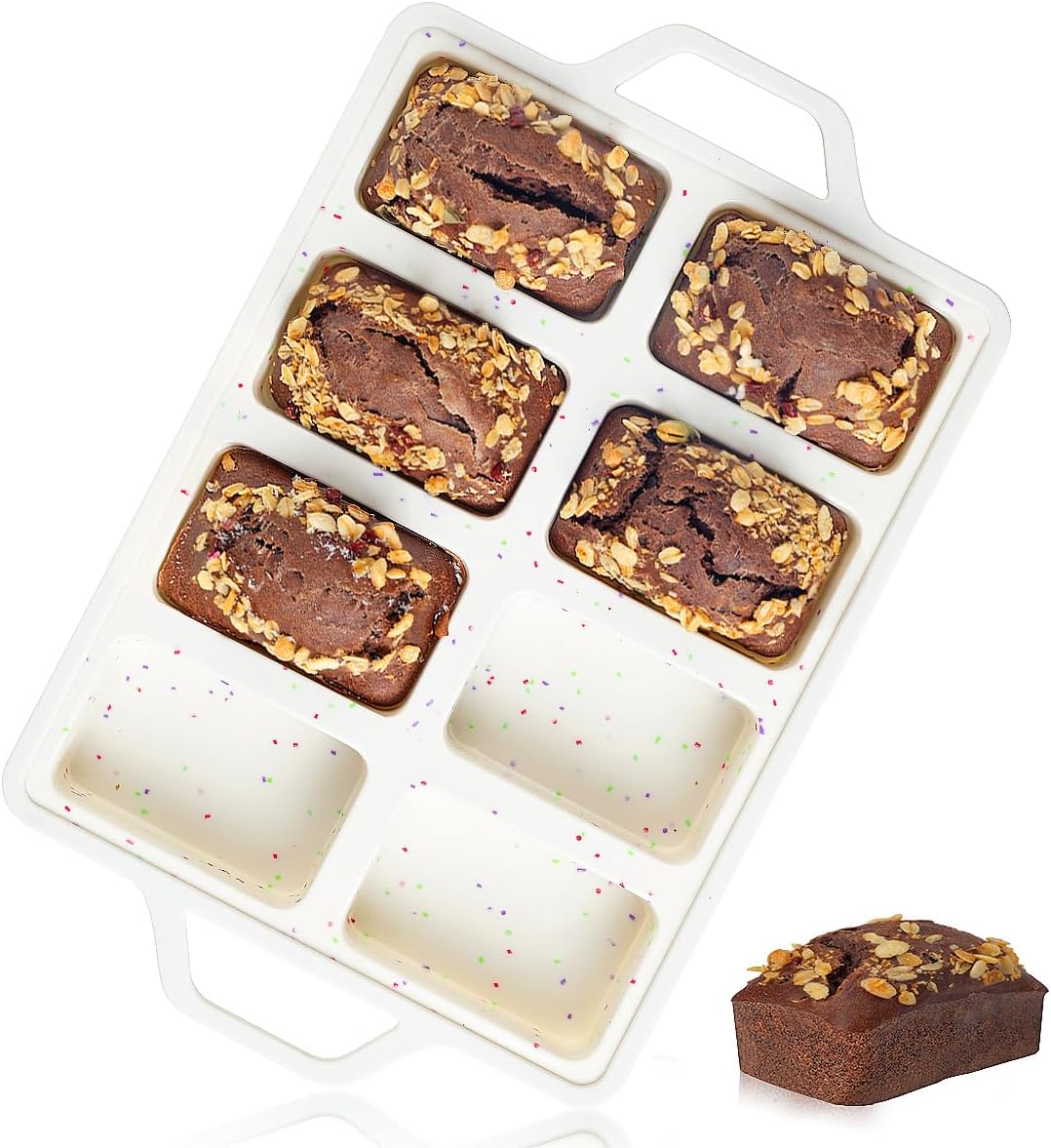
Selecting a silicone mini loaf pan with built-in metal reinforcement transforms your baking experience by eliminating the sagging common in unsupported silicone molds. Traditional flexible pans often bend or buckle when filled with heavy batter, creating spills during transport to the oven. Choosing a model with an embedded steel frame or reinforced rim provides the necessary rigidity for safe handling.
This structural support ensures your pans travel steadily from the counter to the oven rack without wobbling. When evaluating options, look for descriptions highlighting hidden steel frames or sturdy perimeter handles. These features offer peace of mind during high-volume baking sessions, ensuring your batter stays level and secure from preparation to final cleanup.
Cavity Count and Batch Volume
Determining how many cavities you need depends on your typical baking output and household size. Many silicone mini loaf pans feature eight individual cups per tray, while two-pack bundles double that capacity to sixteen portions per bake. Single trays work well for casual weekend snacks, small households, or testing new recipes without committing to large quantities.
Multi-pack configurations streamline meal prep and holiday gift-giving by allowing you to bake multiple trays simultaneously. Consider your oven interior dimensions before purchasing multi-packs to ensure both pans fit side by side without crowding. Matching your pan count to your standard recipe yields saves time and effort in the kitchen.
Material Safety and Composition
Selecting food-grade silicone composition is essential for safe home baking, ensuring that your molds remain entirely free from harmful chemical additives, cheap fillers, or unwanted odors. Premium products highlight BPA-free and PVC-free construction, giving you total confidence when preparing sweet breads, savory meatloaves, or chilled freezer treats. This material choice protects your household while supporting diverse daily culinary tasks.
Quality silicone also resists staining and maintains flexibility over repeated use. Verifying that your baking pans meet food safety standards guarantees that your homemade creations retain clean flavors. Investing in certified food-grade materials ensures long-lasting performance across countless baking cycles without ever compromising the taste or structural quality of your favorite household recipes.
Temperature Range Versatility
A truly versatile silicone mini loaf pan handles extreme temperature shifts with ease, transitioning seamlessly from deep-freeze storage to high-heat baking environments. Many quality options withstand temperatures ranging from minus forty degrees up to four hundred fifty degrees Fahrenheit. This broad thermal tolerance allows you to bake hot banana bread, chill gelatin desserts, or freeze make-ahead meal portions.
Checking the upper and lower temperature ratings ensures your bakeware adapts to your specific recipe requirements. Whether you are using a conventional oven, microwave, or refrigerator, reliable thermal resistance prevents warping, cracking, or material degradation. This flexibility makes your silicone molds valuable tools that extend far beyond standard bread baking.
Non-Stick Release and Surface Care
The natural non-stick properties of flexible silicone allow baked mini loaves, brownies, and cornbread to pop out effortlessly with a gentle push from the bottom. This eliminates the need for messy paper liners or heavy greasing with butter and oil. Baked goods retain their clean, attractive edges, making your homemade treats look professionally prepared right out of the oven.
Maintaining this non-stick performance requires mindful cleaning habits and proper utensil selection. While most silicone pans are dishwasher safe, avoiding sharp metal tools prevents surface scratches that can compromise the mold over time. Using silicone or wooden utensils preserves the smooth finish, ensuring your bakeware continues to release food cleanly through years of regular kitchen use.
Storage and Kitchen Space Management
Managing kitchen storage space is an important practical factor when selecting bakeware for your home. While metal-reinforced silicone pans offer superior structural stability during baking, their embedded steel frames limit folding or bending compared to unsupported flexible molds. Assessing your available cabinet or drawer dimensions helps you choose a pan configuration that stores away easily between baking projects.
Single-tray models slide neatly into tight spaces, whereas multi-pack options require a wider footprint in your overall bakeware collection. Convenient hanging features included on certain designs offer practical vertical storage solutions to keep your kitchen organized. Balancing structural rigidity with your available storage areas ensures your baking tools remain accessible and clutter-free.
Frequently asked questions
Do I need to grease a silicone mini loaf pan before adding batter?
One of the primary advantages of using food-grade silicone bakeware is its natural non-stick surface quality. You generally do not need to apply cooking sprays, butter, or paper liners for standard recipes like banana bread, brownies, or mini meatloaves. The flexible material allows baked treats to pop out cleanly with a gentle push from the bottom. However, if you are working with particularly sticky batter recipes containing high sugar content, a very light application of oil can provide extra reassurance during the release process.
How do metal-reinforced silicone pans differ from traditional silicone molds?
Traditional silicone molds often lack structural rigidity, causing them to flop, bend, or spill batter when you lift them off the counter. Metal-reinforced silicone pans solve this issue by embedding a hidden stainless steel frame or steel core inside the rim and handles. This internal support gives you the best of both worlds: the rigid stability of traditional metal bakeware combined with the easy-release flexibility of silicone. You can safely carry filled pans to the oven without worrying about wobbling or collapsing.
Can I use these silicone mini loaf pans in the freezer and microwave?
Yes, quality silicone mini loaf pans are engineered to withstand a wide temperature range, typically from minus forty degrees up to four hundred fifty degrees Fahrenheit. This broad thermal tolerance makes them exceptionally versatile for more than just conventional oven baking. You can use them to chill gelatin desserts, freeze make-ahead meal portions, or warm up snacks in the microwave. Always check the specific temperature ratings provided for your chosen model to ensure safe performance across all kitchen appliances.
What is the best way to clean and maintain silicone baking pans?
Cleaning silicone baking pans is straightforward because the material resists staining and food adhesion. You can quickly rinse the pans by hand with warm soapy water or place them on the top rack of your dishwasher for hassle-free cleanup. To preserve the non-stick surface over years of use, avoid using abrasive scrubbers or sharp metal utensils that could scratch or damage the silicone. Storing your pans flat or hanging them by built-in loops keeps them in top condition.
What recipes work best in an eight-cavity mini loaf pan?
An eight-cavity mini loaf pan excels at producing individual portion sizes for a wide variety of sweet and savory foods. Popular choices include mini banana breads, pumpkin loaves, brownies, cornbread, and single-serve meatloaves. They are also fantastic for meal prepping protein snacks, baking brunch board treats, or crafting small dessert tasting flights. The uniform cavity sizing ensures that every individual portion bakes evenly at the same time, preventing uneven spots and delivering consistent bakery-style results for your household.