Appliances · Buying Guide
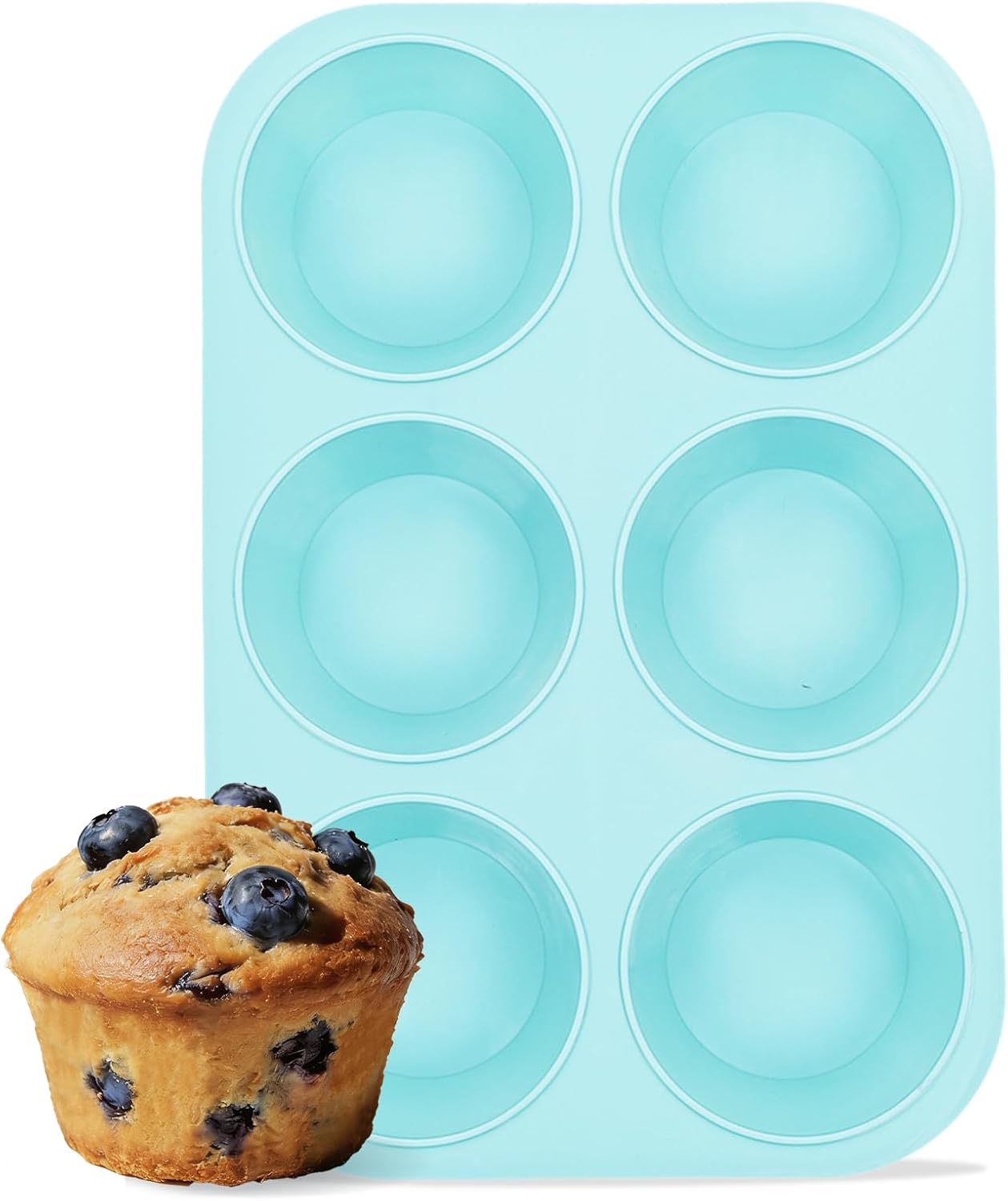
Best Silicone Muffin Tray Large Options for Easy Baking
Baking large muffins, giant cupcakes, and savory egg bites at home requires bakeware that balances flexibility with reliable heat resistance. Traditional metal tins often require heavy greasing or paper liners to prevent sticking, prompting many home bakers to explore flexible alternatives. Silicone options have become popular for their nonstick surfaces and versatile applications across ovens, microwaves, and freezers.
Selecting the right large silicone muffin tray involves evaluating dimensions, cup depth, frame reinforcement, and temperature thresholds. Whether you are prepping breakfast egg cups or baking sweet treats, understanding how different models handle heavy batters ensures a smoother kitchen routine and cleaner results every time.
As an Amazon Associate, StacyLaughs earns from qualifying purchases.
Buying guide
Material Composition and Food Safety
Choosing the right large silicone muffin tray starts with examining the underlying material composition very carefully. High-grade silicone offers natural flexibility and reliable nonstick properties without relying on traditional chemical coatings or heavy greasing agents. Look for products explicitly crafted from food-grade materials to ensure safe food contact during high-heat baking sessions in your busy kitchen environment.
Additionally, premium silicone maintains structural integrity across diverse temperature extremes ranging from freezing refrigeration to hot oven baking. This thermal resilience prevents unwanted odors or material degradation over extended periods of frequent kitchen use. Prioritizing certified safe materials gives home bakers greater confidence when preparing daily family meals, breakfast egg bites, and sweet desserts.
Structural Support and Frame Design
Flexible bakeware presents unique handling characteristics that shoppers should carefully consider before purchasing. Pure silicone trays bend easily when lifted, which can lead to accidental spills if filled with liquid batters. Models featuring integrated metal frames offer enhanced rigidity, allowing users to transport heavy mixtures securely without always requiring an extra cookie sheet underneath.
Evaluating whether your baking style benefits from rigid support or total flexibility helps narrow down suitable product choices. If you frequently bake dense batters or heavy meal-prep items, a reinforced frame simplifies kitchen movement. Conversely, if you prefer lightweight storage and effortless pop-out release, standard flexible designs remain a popular option for everyday bakers.
Cavity Dimensions and Capacity
Cup dimensions directly dictate the final size and shape of your baked goods. Large muffin pans typically feature cup top diameters around 3.5 inches and depths near 1.8 inches, accommodating bakery-style domed tops and generous portions. Measuring your intended recipes ensures the cavities provide enough volume for satisfying breakfast egg bites, cupcakes, or individual pot pies.
Capacity also influences baking times and heat distribution throughout the dense batter. Deeper cups require slightly adjusted cooking intervals to ensure the center bakes thoroughly without overbrowning the exterior edges. Reviewing cup counts and physical dimensions helps match the tray to your specific household baking volume and everyday serving requirements.
Temperature Resistance and Versatility
Quality silicone bakeware stands out for its impressive thermal adaptability across multiple common kitchen appliances. Most reliable trays withstand high oven temperatures up to 446 or 450 degrees Fahrenheit, while also remaining completely safe for microwave heating. This broad temperature tolerance allows you to transition items seamlessly from the hot oven straight into the refrigerator.
Beyond standard muffin and cupcake baking, thermal resilience opens doors to diverse home experiments. You can use these versatile trays for freezing yogurt treats, storing meal-prep portions, or crafting DIY soaps and gelatin desserts safely. Checking the exact upper and lower temperature limits ensures your bakeware handles all planned household tasks reliably over time.
Cleaning and Maintenance Ease
Maintaining silicone bakeware requires minimal effort due to its naturally nonstick surface characteristics. Baked goods pop out cleanly, leaving behind very little residue that would otherwise require aggressive scrubbing. Most silicone trays are completely dishwasher safe, though washing them gently by hand with warm soapy water helps preserve their finish over years of frequent use.
Avoid using harsh abrasive scouring pads or sharp metal utensils that could puncture or scratch the delicate silicone material. Following manufacturer care guidelines ensures your trays remain hygienic, flexible, and visually appealing. Proper cleaning routines protect the nonstick release quality, ensuring every subsequent baking batch removes cleanly without tearing delicate crusts.
Storage and Pack Considerations
Storage convenience is a major advantage for shoppers with limited kitchen cabinet or drawer space. Flexible silicone pans can be folded, rolled, or stacked without permanent deformation, returning readily to their original shape. However, sets that include multiple pans or rigid metal frames require slightly more designated storage planning compared to single collapsible models found in stores.
Purchasing multi-pack options offers excellent value for high-volume baking tasks but demands additional footprint in your kitchen setup. Assessing your available storage space before selecting a single tray versus a bundle helps prevent kitchen clutter. Balancing storage realities with your baking frequency ensures you choose a bakeware configuration that fits your lifestyle.
Frequently asked questions
Do silicone muffin trays require greasing before adding batter?
Most silicone muffin pans feature natural nonstick properties that allow baked goods to release cleanly without heavy greasing. However, depending on the specific recipe ingredients and your personal preferences, applying a very light coat of oil or butter can sometimes assist with particularly sticky or sugar-heavy batters. Unlike traditional metal tins that demand thorough greasing and flouring, silicone surfaces generally make pop-out release straightforward. Always check how your specific batter behaves during initial test baking runs before adjusting your preparation routine.
Can I put a flexible silicone muffin tray directly onto the oven rack?
Placing a flexible silicone tray directly onto an oven rack is generally not recommended because the pliable material can bend and spill liquid batter between the bars. To ensure stability and safety, it is best to place your silicone muffin mold on top of a sturdy metal cookie sheet or baking tray before filling it. This solid support base allows you to transport the heavy batter securely into the hot oven without accidental spills or warping of the cups.
How do I clean and maintain a silicone muffin tray properly?
Cleaning a silicone muffin tray is straightforward because most models are completely dishwasher safe for effortless cleanup. You can also wash the tray by hand using warm water, mild dish soap, and a soft sponge to remove any residual crumbs. Avoid harsh abrasive scrubbers, steel wool, or sharp metal utensils that might puncture or damage the silicone surface. Following these simple manufacturer maintenance instructions keeps your bakeware hygienic and preserves its nonstick performance across years of regular baking use.
What temperature limits apply to silicone baking pans?
High-grade silicone baking pans are engineered to withstand a wide thermal range, typically handling oven temperatures up to 446 or 450 degrees Fahrenheit safely. Many models are also suitable for microwave heating, refrigerator storage, and freezer use down to minus 104 degrees Fahrenheit. This impressive versatility allows you to bake hot muffins, chill gelatin desserts, or freeze individual meal-prep portions using the exact same tray. Always verify the specific upper temperature rating listed for your product before baking.
Are silicone muffin pans safe for food contact?
Quality silicone muffin pans are crafted from 100 percent food-grade silicone material that is completely free of harmful chemical agents like BPA. This food-safe construction ensures that no toxic substances transfer into your muffins, cupcakes, or breakfast egg bites during high-heat baking. Health-conscious families and home bakers trust these odorless silicone molds for daily meal preparation. Checking product specifications for food-grade certifications gives you complete confidence when baking treats for loved ones.