Appliances · Buying Guide
Best Silicone Paper for Baking and Reusable Mats to Upgrade Your Kitchen
Choosing the right baking surface can transform everyday cooking, whether you prefer the convenience of disposable parchment sheets or the long-term reusability of silicone mats. Selecting between silicone-coated paper and heavy-duty silicone rolls depends heavily on what you bake most often, from delicate pastries and bread to heavily roasted vegetables.
Different kitchen tasks require specific sheet sizes, generous pack counts, and precise material thicknesses to ensure food releases cleanly without tearing or sticking to the pan. Exploring these distinct product options helps you find reliable surfaces that withstand high oven temperatures while simplifying your daily cleanup routines after heavy baking sessions are finished.
As an Amazon Associate, StacyLaughs earns from qualifying purchases.
Buying guide
Material Composition and Food Safety
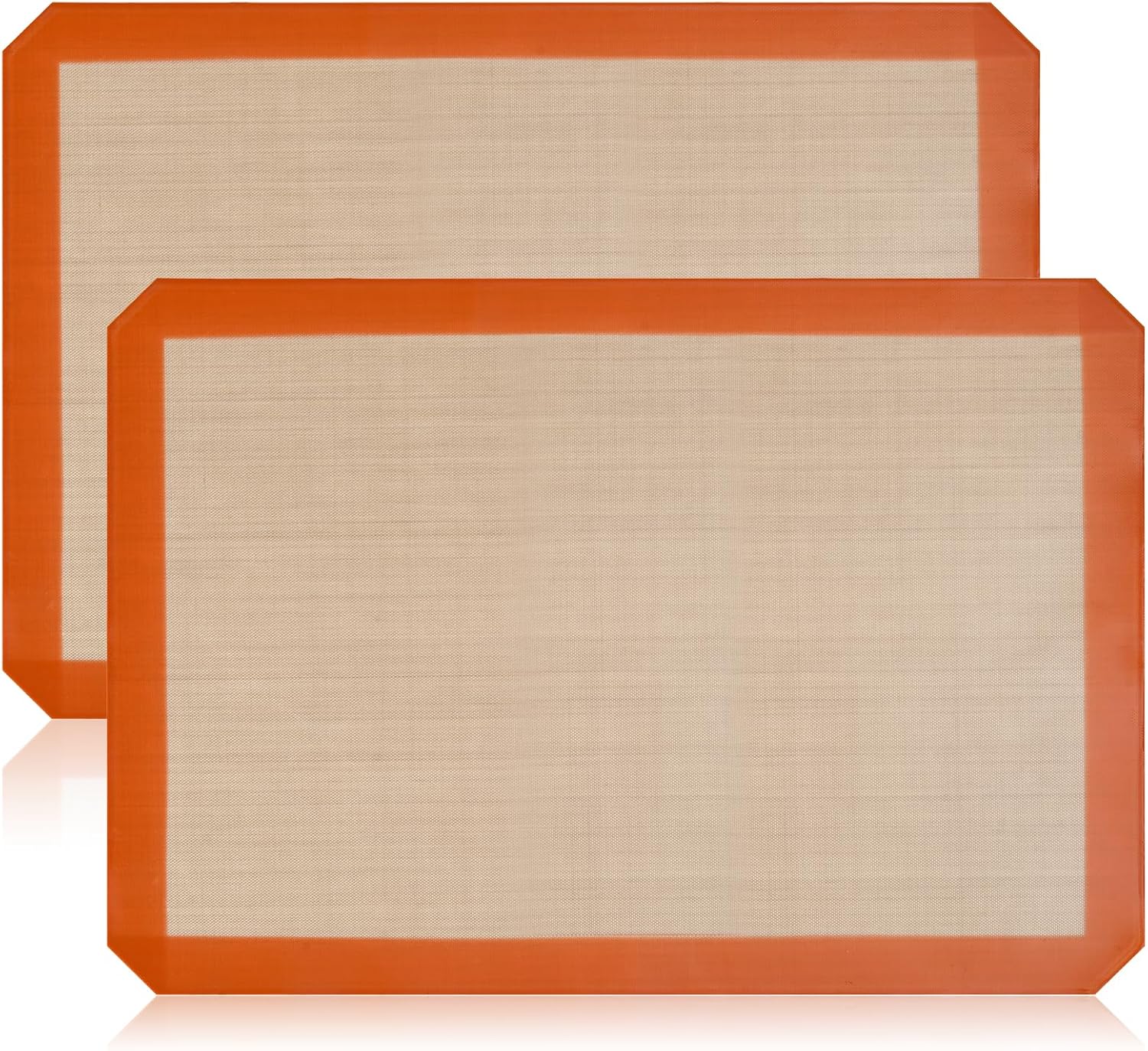
Evaluating the material composition of baking sheets and mats ensures your food remains safe during high-temperature cooking sessions in the home oven. Many options feature food-grade silicone coatings layered securely over natural wood pulp or reinforced fiberglass backings. These reliable materials prevent harmful chemical additives from leaching directly into your favorite pastries, homemade breads, and savory roasted vegetables.
Manufacturers often highlight that their products are completely free from concerning substances like BPA and PFOA, giving busy home cooks greater peace of mind. Checking these essential safety details helps you select reliable kitchen tools that support healthy everyday culinary habits without ever compromising on non-stick food release or long-term product durability.
Sizing and Pan Compatibility
Matching your baking paper or silicone mat to your specific pan dimensions is crucial for a smooth, hassle-free baking experience. Pre-cut sheets come in fixed measurements like twelve by twelve inches or large sixteen by twenty-four inch formats, while continuous rolls let you trim custom shapes. Measuring your pan interiors beforehand prevents awkward folding or edge curling during heating.
Half-sheet mats fit standard residential trays, but mismatched sizes can lead to frustrating baking results. Taking time to compare dimensions guarantees that your chosen liner lies completely flat, allowing cookies and roasted items to bake evenly across the entire surface without interference from overlapping paper edges.
Temperature Resistance Limits
Understanding the temperature thresholds of your baking surfaces protects both your kitchen equipment and your prepared food items. Most silicone mats and silicone-coated parchment papers safely withstand heat ranging from sub-zero freezer levels up to four hundred fifty or five hundred degrees Fahrenheit. Exceeding these stated maximum limits can damage the core material integrity over time.
Always verify that your chosen mat or paper is rated for your specific recipe requirements, especially when broiling or using high-heat roasting methods in the oven. Keeping silicone products away from direct heating elements or open flames prevents accidental melting and extends the usable lifespan of your kitchen accessories significantly across many baking sessions.
Cleanup and Maintenance Ease
Cleaning up after a long baking session is much easier when you use non-stick silicone mats or disposable parchment papers. Silicone mats typically rinse clean with warm soapy water or go straight into the dishwasher once cooled down, though they require gentle handling to avoid accidental surface cuts from sharp metal utensils.
On the other hand, disposable parchment sheets offer the ultimate convenience by letting you simply lift the used paper out of the tray and throw it straight into the trash. Choosing between washable mats and disposable sheets depends on whether you prefer reducing household waste or eliminating cleanup chores entirely after cooking.
Reusability Versus Convenience
The choice between reusable silicone mats and disposable paper sheets often comes down to balancing long-term material economy with daily kitchen convenience. Reusable silicone mats provide a durable surface for hundreds of baking batches, rolling up easily for compact storage inside kitchen cabinets without taking up excessive space in your drawers.
Pre-cut paper sheets eliminate washing routines entirely, making them ideal for busy commercial kitchens or high-volume baking tasks where speed is absolutely essential. Weighing how often you bake against your willingness to wash and store flexible mats will guide you toward the most practical kitchen accessory for your daily cooking lifestyle.
Multi-Purpose Kitchen Applications
Baking sheets and silicone mats are surprisingly versatile kitchen tools that extend far beyond standard cookie preparation and sheet-pan meals. Many silicone mats double as non-slip countertop protectors for rolling out sticky bread dough, shaping delicate pastries, or preparing homemade candies without sticking to the work surface during food prep work.
Silicone-coated parchment papers can be used safely in microwaves, freezers, and air fryers for quick meal preparation and convenient food wrapping tasks. Selecting products designed for multiple culinary tasks ensures you get maximum utility out of your baking accessories across breakfast, lunch, and dinner meal routines every single day of the week.
Frequently asked questions
Do I need to grease silicone baking mats or parchment paper before baking?
Most baked goods release easily from silicone mats and silicone-coated parchment paper without any added oils, butter, or cooking sprays. The integrated non-stick surface prevents cookies, bread, and pastries from sticking during normal baking conditions. However, sticky recipes or high-sugar items like caramel and certain doughs may benefit from a very light greasing to ensure effortless food removal. Always check your specific recipe requirements before placing food directly onto the mat or paper surface.
Can I cut silicone baking mat rolls with regular scissors?
Yes, continuous silicone baking mat rolls are specifically designed to be easily trimmed with regular household scissors. This allows you to cut the material into custom shapes and sizes that fit unique baking pans, toaster ovens, or dehydrator trays. When cutting, take your time to measure the interior dimensions of your pan accurately so the mat lies completely flat without curling up at the edges during high-temperature baking tasks in the oven.
How should I clean and store my silicone baking mats after use?
Cleaning silicone baking mats is straightforward once they have cooled down completely from baking. You can wash them by hand using warm soapy water or place them directly in the dishwasher for hassle-free cleanup between baking batches. After cleaning and drying, store your mats either lying flat or loosely rolled up in a cabinet or drawer. Avoid folding them tightly or using sharp metal utensils directly on the surface to maintain their durability.
Are silicone-coated parchment papers safe for use in air fryers and microwaves?
Many silicone-coated parchment paper sheets are versatile enough for microwaves, freezers, and air fryers, operating safely within wide temperature ranges. They provide a reliable non-stick barrier that prevents food from sticking to air fryer baskets or microwave plates, making post-cooking cleanup much faster and easier. Always verify that your specific parchment paper brand meets the exact temperature ratings required for your appliance before starting to cook your meals.
What is the difference between parchment paper and silicone baking mats?
The primary difference lies between single-use disposability and long-term reusability. Disposable parchment paper sheets come pre-cut in various sizes and can be thrown away immediately after baking, eliminating any washing routine. Reusable silicone mats offer a durable, washable surface that can withstand hundreds of baking batches while reducing paper waste. Choosing between them depends entirely on your personal preference for cleanup convenience versus long-term material sustainability in the kitchen.