Appliances · Buying Guide
Best Small Aluminum Pie Pans for Baking Individual Tarts and Quiches
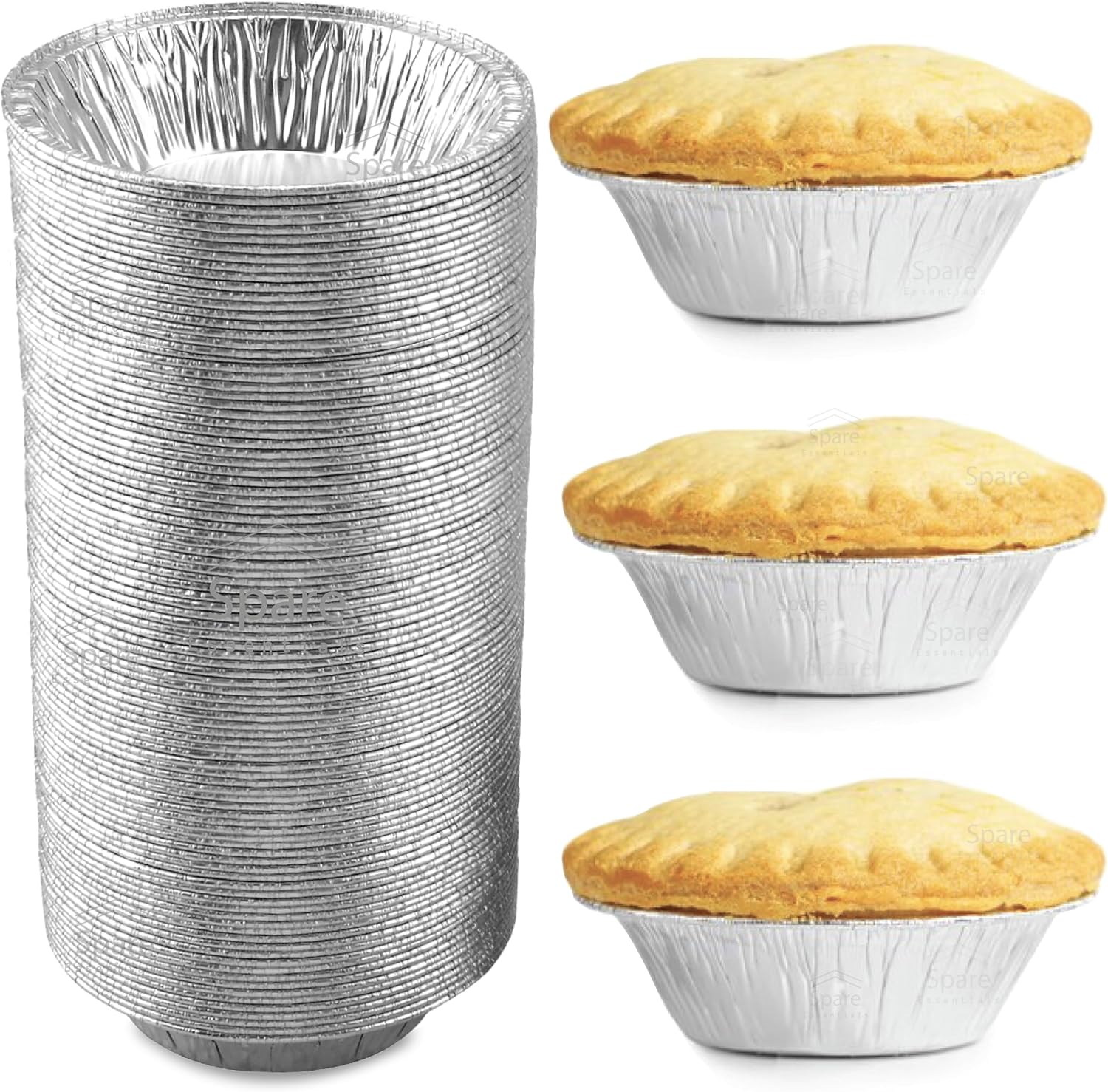
Baking individual desserts and savory dishes requires reliable bakeware that simplifies both preparation and cleanup. Small aluminum pie pans offer a practical solution for home cooks, bakeries, and catering operations alike. These disposable containers eliminate the need for scrubbing baked-on crusts, making them ideal for busy gatherings, holidays, and commercial food service.
Choosing the right size and pack count ensures you have enough vessels for everything from mini fruit tarts to chicken pot pies. Options range from compact four-inch tins to larger six-inch variations, accommodating diverse recipes. Reviewing material thickness and temperature ratings helps match the pans to your specific baking, freezing, and reheating routines without unnecessary hassle.
As an Amazon Associate, StacyLaughs earns from qualifying purchases.
Buying guide
Material Thickness and Durability
When selecting small aluminum pie pans, carefully evaluating material thickness is essential for achieving successful baking results every time. Thicker gauge aluminum resists bending when filled with heavy liquid batters or dense savory fillings. This structural stability prevents the pan from warping inside a hot oven, ensuring even heat distribution across your delicate pastry crusts without scorching the edges.
Durability also matters significantly during transport, freezing, and general storage routines. Sturdy foil walls protect delicate tarts and mini quiches from accidental crushing when stacked neatly in a crowded refrigerator or travel cooler. Investing in heavy-duty options gives you structural confidence whether you are gifting baked goods to neighbors or serving customers at busy commercial catering events throughout the year.
Choosing the Right Diameter
Sizing plays a pivotal role in determining what recipes you can successfully prepare in your aluminum pans. Four-inch models work wonderfully for bite-sized custards, tarts, and miniature desserts, while five-inch and six-inch versions accommodate heartier individual pot pies and small cakes. Matching the diameter to your specific culinary goal prevents overflow and ensures proper portion control.
Consider your serving style when reviewing dimensions. Smaller diameters make excellent choices for dessert platters where guests sample multiple treats, whereas larger individual pans function well as standalone meal portions. Taking exact measurements of your oven racks and storage containers guarantees the selected pan size fits seamlessly into your routine.
Capacity and Portion Control
Capacity dictates how much batter, filling, or ingredients each individual pan can safely hold without spilling over the rim. Smaller three-ounce capacities suit delicate bite-sized tarts, whereas six-ounce options provide enough volume for substantial chicken pot pies or personal quiches. Understanding these volume limits helps you portion ingredients accurately during large-scale meal prep sessions without guesswork.
Proper capacity planning also prevents structural failure during the active baking cycle. Overfilling a shallow pan often leads to messy spills on your oven floor and unevenly cooked centers. Selecting the correct volume ensures your recipes rise and set correctly, yielding professional-looking portions ready for immediate serving or long-term freezer storage.
Rim Design and Handling Ease
The rim design of an aluminum pie pan significantly affects how securely you can grip and transport the dish. Pans featuring full-curl rims provide extra structural rigidity, making them much easier to lift safely out of hot ovens using protective mitts. This reinforcement prevents the delicate edges from collapsing under the weight of heavy savory fillings.
Smooth or curled edges also influence how easily you can attach protective covers for freezing and storage. A well-designed rim offers a stable surface for crimping pastry crusts or sealing edges tightly against air exposure. Prioritizing handling features reduces the risk of kitchen mishaps when transferring hot bakeware from counter to oven and back.
Bulk Packaging and Value
Purchasing small aluminum pie pans in bulk packs offers distinct advantages for frequent bakers, caterers, and commercial establishments. Packs ranging from twenty to one hundred twenty units ensure you have an ample supply on hand for busy holiday seasons and large community events. Buying larger quantities generally lowers the cost per pan, maximizing value for high-volume operations.
However, balancing pack count with available storage space remains an important consideration for home cooks. Storing a massive box of disposable pans requires dedicated pantry or shelf room before you use them. Assess your typical baking frequency to determine whether a modest twenty-pack or a large commercial bulk box best fits your kitchen capacity.
Temperature Limits and Versatility
Modern aluminum bakeware offers exceptional versatility by transitioning smoothly between freezer storage and high-heat oven baking. Checking the specific manufacturer temperature rating ensures the pans can safely handle your required baking temperatures without structural degradation. Many quality options withstand standard oven heat while remaining resilient during freezing and subsequent reheating cycles.
This dual compatibility simplifies meal prep routines for busy households and commercial kitchens alike. You can bake, freeze, and reheat meals in the exact same container, eliminating extra dishwashing steps entirely. Selecting pans with reliable temperature tolerances ensures safe, consistent performance whether you are preparing frozen desserts or hot dinner casseroles for guests.
Frequently asked questions
Can small aluminum pie pans go straight from the freezer into the oven?
Many aluminum pie pans are designed to handle both freezer and oven temperatures safely, allowing for direct transition during meal prep. However, you should always verify the specific manufacturer temperature ratings and guidelines before transferring frozen pans directly into a preheated oven. Extreme thermal shock or rapid temperature shifts can occasionally cause warping depending on the metal thickness. Inspecting the product specifications ensures your chosen pans support your specific freezing, baking, and reheating routines without structural issues.
Are disposable aluminum pie pans safe to reuse after baking?
Disposable aluminum pie pans are primarily engineered for single-use convenience, making cleanup quick and mess-free after events or family meals. While sturdy heavy-duty options might maintain their shape after a single bake, washing and reliably reusing lightweight foil pans is generally not recommended by manufacturers. Repeated use can compromise the structural integrity of the thin metal, leading to potential bending or leaks during subsequent baking cycles. For best results, simply dispose of or recycle the pans after one use.
How do I choose the correct diameter for my mini pies?
Choosing the correct diameter depends entirely on your specific recipe and the desired serving size. Four-inch pans work exceptionally well for bite-sized individual tarts, mini custards, and petite desserts. Five-inch and six-inch pans accommodate larger individual portions such as chicken pot pies, small quiches, and personal cakes. Consider your intended presentation and appetite requirements before purchasing, ensuring the selected diameter matches your culinary goals and standard baking pans.
Do aluminum pie pans require greasing before adding pie crust?
Whether you need to grease your aluminum pie pans depends heavily on the fat content of your pastry crust or batter. Rich pastry crusts containing high amounts of butter or shortening often release easily without extra greasing. However, lighter doughs or sticky fillings may benefit from a light application of oil or non-stick spray to prevent sticking. Reviewing your specific recipe requirements helps determine if greasing is necessary for effortless removal.
Can I recycle used aluminum pie pans after baking?
Most aluminum foil products are recyclable materials designed to support eco-friendly disposal habits. Before tossing used pans into your recycling bin, wipe away excess food residue or debris to meet local recycling guidelines. Recycling clean aluminum helps reduce waste compared to traditional plastics. Always check with your local waste management facility to confirm their specific collection policies regarding household aluminum foil bakeware and containers.