Appliances · Buying Guide
Best Small Bread Loaf Pan Options for Individual Baking Portions
Baking individual treats or small batches requires reliable bakeware that fits standard ovens and heats evenly. A small bread loaf pan transforms standard recipes into perfectly portioned mini loaves, whether you are baking banana bread, meatloaves, or pound cakes. Selecting the right pan involves evaluating materials, configuration styles, and cleaning requirements to match your home baking routine.
Options range from individual connected sets to multi-cavity trays designed for maximum efficiency. Carbon steel and aluminized steel provide sturdy construction for consistent thermal distribution, while non-stick coatings assist with quick food release. Understanding these design differences helps home bakers choose durable pans that suit their preferred recipes and storage space.
As an Amazon Associate, StacyLaughs earns from qualifying purchases.
Buying guide
Material Composition and Heat Distribution
Selecting a small bread loaf pan starts with closely examining its material composition. Carbon steel and heavy-weight aluminized steel are popular choices because they conduct thermal energy efficiently and promote even baking across small loaf portions. Heavy-gauge metals resist thermal warping when subjected to high oven temperatures, ensuring your bakeware maintains structural integrity over years of regular home use.
Different metals offer distinct benefits, such as aluminized steel providing superior corrosion resistance and commercial-grade carbon steel delivering robust structural stability. Evaluating how these heavy-duty materials handle heat helps you achieve consistent crust development and uniform interior textures for delicate sweet breads, small cakes, and savory individual meatloaves.
Single Pans Versus Multi-Cavity Trays
Deciding between individual loose pans and connected multi-cavity trays depends heavily on your preferred baking style and recipe batch volume. Individual pans let you bake exact numbers of portions and offer flexible placement on crowded oven racks. However, handling multiple loose pieces requires extra attention during kitchen transfer, washing, and cabinet storage routines.
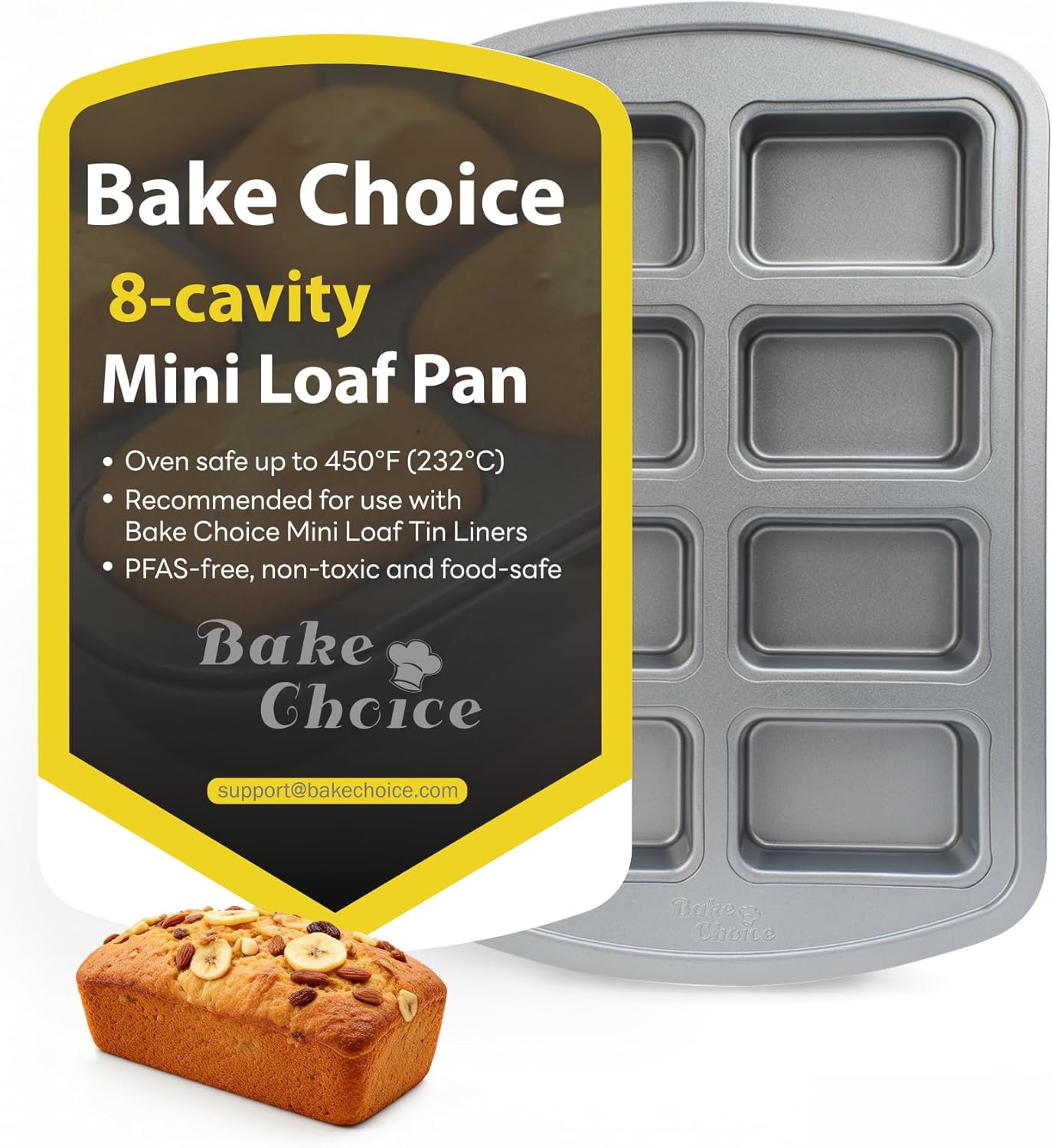
Connected multi-cavity trays streamline the baking process by holding multiple portions in a single sturdy frame, making oven loading and removal much simpler. The primary trade-off is that fixed trays require significantly more storage footprint and lack the flexibility to bake just a single mini loaf independently when desired.
Non-Stick Coatings and Release Performance
Non-stick coatings play a vital role in ensuring your baked goods release cleanly without tearing delicate crusts or leaving stubborn residue behind. Many modern small loaf pans feature reinforced multi-layer coatings designed to be free of harsh chemical additives like PFOA, BPA, and PTFE. These smooth surfaces significantly simplify the removal of sticky items such as banana bread, fruit cakes, and rich brownies.
While non-stick surfaces make food release effortless, they require proper care to maintain their effectiveness over extended periods. Following manufacturer guidelines regarding cleaning methods and avoiding abrasive metallic utensils helps preserve the protective coating, ensuring reliable non-stick performance bake after bake in your home kitchen.
Size Dimensions and Appliance Compatibility
Checking physical dimensions is essential to ensure your chosen small bread loaf pan fits comfortably inside your oven cavity and kitchen storage cabinets. While individual mini pans generally measure around six inches in length, multi-cavity trays frequently span fourteen to fifteen inches across. Accurately measuring your appliance interior beforehand prevents unexpected fitting issues during baking day.
Some compact individual pans are engineered with broad appliance compatibility in mind, allowing them to fit inside pressure cookers and air fryers alongside conventional ovens. Matching the pan dimensions to your specific cooking appliances expands your recipe options, enabling you to bake individual portions across different heating devices without difficulty.
Ergonomics and Handling Safety
Handling hot bakeware safely requires thoughtful design features such as extended handles, rolled edges, and secure finger grips. Pans featuring wide, reinforced rims provide a reliable hold for your thumbs and fingers, even when you are wearing thick quilted oven mitts. This ergonomic stability prevents accidental slips when transferring hot pans into or out of the oven.
Thick rolled edges also contribute to overall structural strength by preventing the metal from twisting under intense heat. Prioritizing pans with comfortable, secure handling features makes the baking process safer and much more manageable, especially when working with hot carbon steel or aluminum trays straight from a high-temperature oven.
Maintenance and Cleaning Requirements
Maintaining your small bread loaf pan properly ensures dependable long-lasting performance and preserves the protective non-stick surface over years of regular use. Many steel and aluminum pans are officially labeled as dishwasher safe for maximum daily cleaning convenience. However, manufacturers frequently advise hand washing with warm, soapy water to protect the coating's overall longevity.
Seamless one-piece molding designs and folded corners help eliminate hard-to-clean crevices where food batter residue or moisture might otherwise accumulate and cause premature wear. Following the specific manufacturer cleaning guidelines for your chosen pan model keeps the baking surface completely smooth, ensuring your equipment remains ready for your next recipe.
Frequently asked questions
Can I use a small bread loaf pan in an air fryer?
Certain small bread loaf pans are explicitly designed with compact dimensions that allow them to fit inside alternative appliances like air fryers and pressure cookers alongside standard conventional ovens. When evaluating a pan for air fryer use, you must carefully measure both the interior basket dimensions of your specific appliance and the outer dimensions of the pan to ensure adequate clearance. Checking manufacturer compatibility guidelines ensures the materials and coatings can safely withstand the targeted cooking temperatures of your chosen countertop appliance without sustaining structural damage.
What is the difference between single mini pans and multi-cavity trays?
Single mini pans consist of individual standalone units that you can place separately across your oven racks, offering flexibility when baking specific quantities or managing crowded oven space. In contrast, multi-cavity trays feature several connected loaf molds built into a single unified metal frame, which streamlines the process of loading and removing multiple portions at once. However, multi-cavity trays have a larger overall footprint that requires checking cabinet storage space and oven width, whereas individual loose pans require managing multiple separate pieces during washing and storage.
How do I prevent my bread from sticking to the pan?
Preventing your bread from sticking relies heavily on utilizing pans constructed with quality non-stick interior coatings and applying proper maintenance practices. Most modern carbon steel and aluminized steel small loaf pans incorporate reinforced PFOA-free coatings designed for quick food release. To maintain this non-stick performance over time, follow manufacturer cleaning instructions, avoid harsh metallic utensils that can scratch the surface, and consider hand washing when advised. Applying a light layer of oil or butter before adding batter can also provide extra release assurance for delicate recipes.
Are small bread loaf pans safe to clean in the dishwasher?
Many small bread loaf pans feature official dishwasher-safe ratings for cleaning convenience, but manufacturer recommendations often suggest hand washing with warm, soapy water. Dishwasher detergents and high heat cycles can sometimes accelerate wear on specialized non-stick coatings over extended periods. Reviewing the specific product guidelines provided by the manufacturer helps you determine whether running the pan through the dishwasher aligns with preserving its long-term surface durability. Hand washing remains a gentle option that protects the coating and minimizes potential scratching from other kitchen items.
Why does pan material matter for baking small loaves?
Pan material plays a crucial role because metals like heavy-gauge carbon steel, aluminized steel, and aluminum conduct thermal energy differently across the baking surface. Superior heat conduction ensures your small loaves bake evenly, developing golden crusts and uniform interior textures without hot spots that can burn batter. Additionally, heavy-duty materials resist warping under high oven temperatures up to 450 degrees Fahrenheit, maintaining the structural shape of your pans bake after bake. Selecting the right metal construction guarantees consistent performance for sweet breads and savory meatloaves.