Appliances · Buying Guide
Best Small Cake Pan Sizes for Mini Layer Cakes and Smash Bakes
Baking miniature treats, smash cakes, or multi-tiered creations requires the right equipment. Selecting small cake pan sizes helps home bakers achieve evenly baked layers without guesswork. Compact pans come in various materials, including stainless steel, carbon steel, and silicone, each offering distinct benefits for daily baking routines. Understanding your recipe requirements makes it easier to pick the ideal dimensions.
Whether you are crafting a tiny personal dessert or a multi-layered celebration cake, exploring different diameters like four-inch and six-inch options ensures success. Small pans heat up efficiently and fit comfortably into standard ovens, pressure cookers, or freezers. Examining the design traits of various compact bakeware sets allows you to match your culinary goals with equipment built for reliable everyday performance and straightforward cleaning.
As an Amazon Associate, StacyLaughs earns from qualifying purchases.
Buying guide
Material Selection for Compact Bakeware
Choosing the right material for small cake pan sizes heavily influences overall heat distribution, long-term durability, and preferred cleaning methods. Stainless steel offers impressive rust-resistant longevity and handles frequent dishwasher cycles easily, though traditional metal surfaces lack built-in chemical non-stick coatings. Understanding these foundational material traits ensures your investment matches your daily baking routine without unexpected surprises during cleanup.
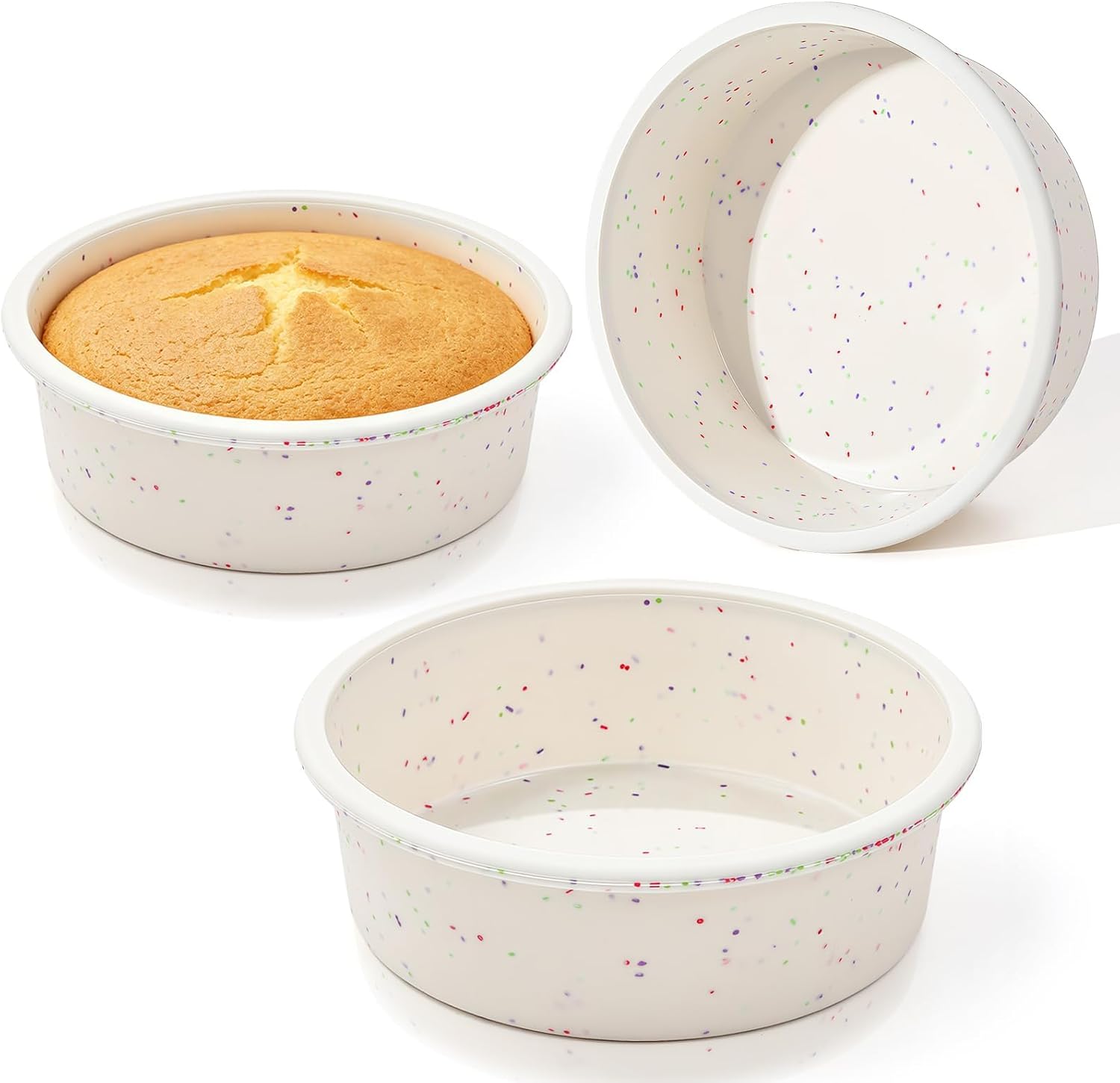
Carbon steel provides exceptional thermal properties for achieving even browning across miniature recipes, and these pans are frequently paired with non-stick layers for quick food release. Silicone offers flexible release mechanics, while embedded metal frames add necessary structural support during transport. Evaluating how each distinct material behaves helps you select bakeware suited to your specific culinary goals and maintenance preferences.
Understanding Diameter and Depth Dimensions
Small cake pan sizes typically feature compact diameters ranging from four inches up to six inches, paired with standardized vertical depths around two inches. A four-inch pan works wonderfully for individual desserts, personal cheesecakes, or specialized baby smash cakes. These diminutive dimensions allow home bakers to experiment with rich, scaled-down recipes without committing to large quantities of ingredients.
Six-inch pans accommodate slightly larger multi-layered celebration cakes or small household sharing portions without taking up excessive oven space. Examining your typical recipe yields and household size ensures that you choose physical dimensions capable of handling your preferred serving portions accurately. Matching pan diameter to your baking frequency prevents storage clutter and ensures optimal batter depth for uniform results.
Evaluating Non-Stick Coatings Versus Uncoated Metal
The presence or absence of a non-stick coating dramatically changes how you prepare your pans before baking and clean them afterward. Coated carbon steel options promote quick food release and simplify post-baking cleanup, but these treated surfaces generally require gentle hand washing with soft dishcloths to prevent accidental scratching from abrasive cleaning pads.
Uncoated stainless steel pans tolerate aggressive cleaning routines and automatic dishwashers safely, yet they require thorough greasing or fitted parchment paper liners to prevent delicate baked goods from sticking to the metal. Weighing these daily maintenance factors against your personal cleaning preferences helps determine which surface style best fits your kitchen lifestyle.
Leak Prevention and Seamless Construction
Preventing liquid batter from escaping during the baking process is essential for maintaining a clean oven environment and preserving the structural integrity of your cakes. Seamless one-piece metal pans eliminate the tiny seams and joints where fluid batter might otherwise seep through during filling or baking. This solid boundary gives home bakers peace of mind when working with thinner mixtures.
Fixed-bottom designs provide dependable structural stability compared to removable springform styles, ensuring that liquid mixtures remain securely contained from the moment you pour them in until your finished baked goods emerge from the heat. Choosing solid, sealed construction protects your kitchen from messy spills and guarantees reliable containment across diverse recipes.
Storage and Kitchen Space Management
Compact bakeware offers significant advantages for overall kitchen organization, particularly when dealing with limited cabinet, shelf, or drawer space. Many small cake pans feature clever nesting capabilities or modest physical footprints that allow multiple units to stack together efficiently. This space-saving attribute is especially helpful for home bakers who maintain diverse collections of specialty equipment.
Assessing how your chosen bakeware stores away prevents unnecessary kitchen clutter and ensures your essential culinary tools remain easily accessible whenever inspiration strikes for a quick baking project. Choosing stackable or easily nested pans maximizes your available storage capacity without sacrificing the multi-tier versatility required for complex baking tasks.
Multi-Purpose Versatility Beyond Baking
Small cake pans frequently serve multiple functional roles in the home kitchen far beyond traditional dessert preparation. Their compact proportions make them exceptionally suitable for steaming small portions of vegetables, molding gelatin desserts, roasting individual side dishes, or serving casual snacks and nuts. This multi-purpose adaptability transforms simple baking tins into everyday kitchen workhorses.
Selecting versatile bakeware that successfully handles pressure cookers, freezers, and standard ovens expands your overall cooking capabilities while minimizing the need for specialized single-use kitchen dishes. Investing in multi-functional compact pans allows you to transition smoothly from meal preparation to dessert baking using the exact same reliable hardware across varied recipes.
Frequently asked questions
What are the standard small cake pan sizes available for home baking?
Small cake pan sizes typically encompass compact dimensions such as four-inch and six-inch diameters, usually featuring a standard depth of two inches. Four-inch pans are ideal for individual portions, personal desserts, or tiny baby smash cakes. Meanwhile, six-inch pans accommodate multi-layered celebration cakes or small household sharing portions without overcrowding standard ovens. Reviewing your specific recipe requirements will guide you toward the right diameter and depth combination to achieve your desired baking results.
Can I use small cake pans in a pressure cooker or freezer?
Many stainless steel and silicone small cake pans are explicitly designed to withstand extreme environments, including pressure cookers and freezers. Stainless steel models resist rust and handle temperature shifts efficiently, making them great for steaming foods or chilling desserts. Always verify the manufacturer specifications for your specific bakeware set to ensure the materials tolerate high-pressure cooking or freezing temperatures safely without warping or degrading during your culinary routines.
Are non-stick coatings required for small cake pans?
Non-stick coatings are not strictly required, but they offer distinct convenience by promoting quick and clean food release without requiring extensive preparation. Coated carbon steel pans allow baked goods to slide out smoothly. However, uncoated stainless steel options remain popular for their heavy-duty durability and tolerance of aggressive cleaning tools, provided you use parchment paper or thorough greasing methods to prevent food from sticking to the metal surface during baking.
How do I prevent batter from leaking out of compact cake pans?
To prevent batter from leaking, look for small cake pans featuring a seamless one-piece body and a fixed bottom construction. Unlike removable springform styles that feature mechanical joints where thin fluids can escape, solid single-piece metal or silicone molds contain liquid mixtures securely. Ensuring your pan is fully enclosed all around guarantees that fluid batters stay inside the baking chamber, keeping your oven clean and preserving your recipe yields.
What is the best way to clean and maintain small cake pans?
Cleaning methods depend largely on the material composition of your bakeware. Stainless steel and silicone pans are generally dishwasher safe, simplifying cleanup routines. Conversely, carbon steel pans with non-stick coatings typically benefit from gentle hand washing using warm soapy water and a soft dishcloth to protect the protective surface from scratches. Always avoid abrasive scrubbing pads on coated finishes to maintain long-lasting product performance and extend the lifespan of your bakeware.