Appliances · Buying Guide
Best Small Loaf Pans Disposable for Baking and Gifting
Baking small portions, artisan breads, or individual cakes often requires reliable bakeware that simplifies post-cooking cleanup. Disposable small loaf pans offer a practical, time-saving solution for home bakers, holiday treat exchanges, and event hosts who want to transition straight from the oven to storage or gifting without washing traditional metal pans.
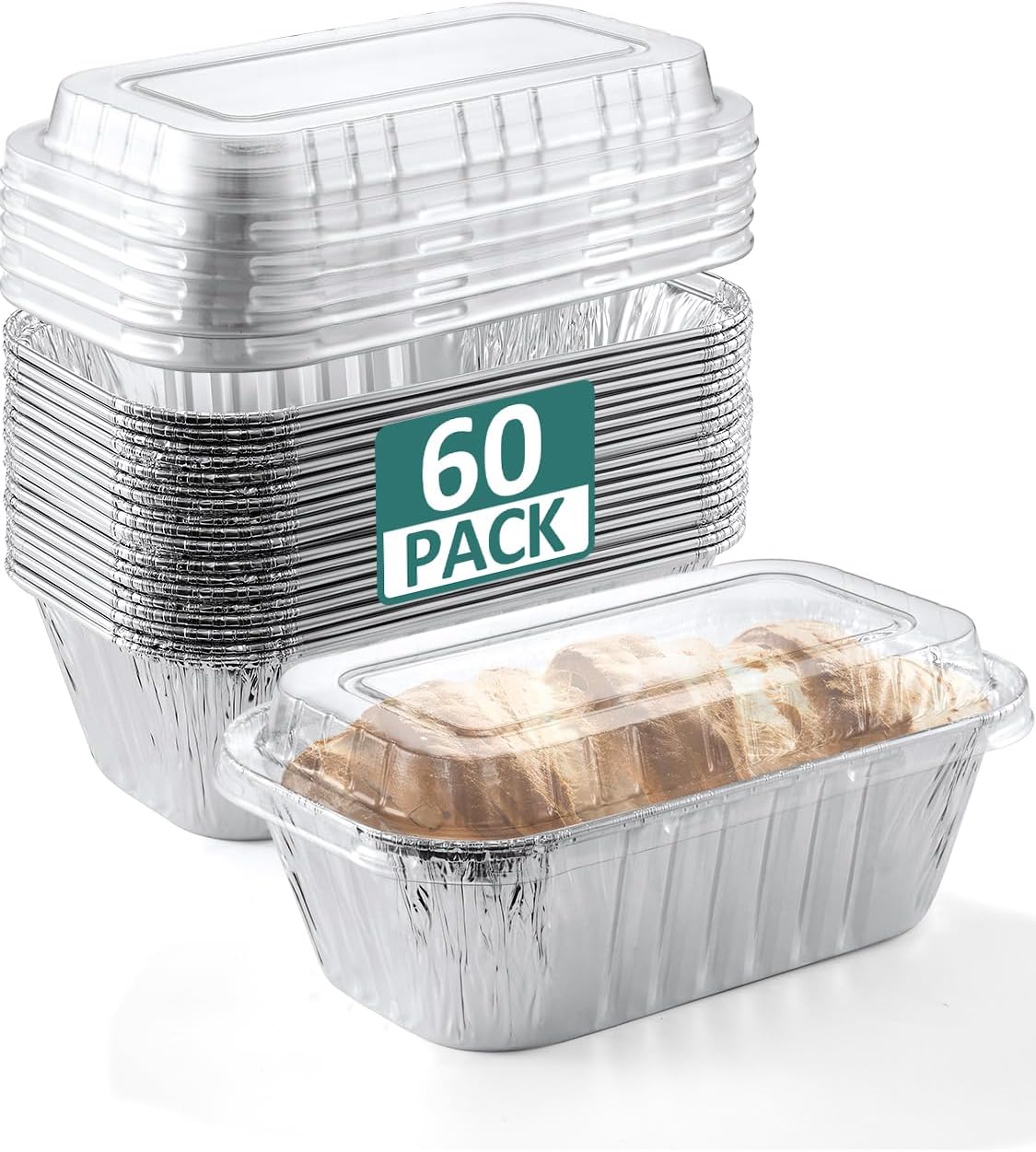
These aluminum foil containers are available in various pack counts, capacities, and dimensional profiles, frequently paired with clear plastic lids for effortless transport and content visibility. Understanding the specific material traits, temperature thresholds, and accompanying accessories helps match the right disposable pan set to your specific baking routines and meal-prep schedules.
As an Amazon Associate, StacyLaughs earns from qualifying purchases.
Buying guide
Material Composition and Heat Tolerance
Selecting disposable loaf pans begins with evaluating the metal composition and maximum temperature limits. Aluminum foil serves as the primary material for these baking containers due to its lightweight nature and efficient thermal conductivity. Different manufacturing standards allow distinct temperature thresholds, ranging from four hundred up to five hundred degrees Fahrenheit.
Matching the pan material to your typical recipes ensures reliable performance during baking. Sturdier aluminum builds resist warping under heavy batters, while specific designs suit conventional ovens, toaster ovens, and air fryers. Reviewing temperature ratings prevents material breakdown and helps achieve consistent golden crusts on breads and cakes.
Capacity and Dimensional Sizing
Capacity dictates how much batter or food a disposable loaf pan can hold during preparation. Common options range from compact individual portions around seven ounces to standard one-pound and one-liter configurations. Evaluating the length, width, and depth helps determine whether a pan fits your specific recipes, such as miniature banana breads or dense meatloaves.
Dimensions also influence baking times and the physical height of the finished baked good. Deeper profiles accommodate rising yeast breads or layered casseroles, while shallower pans suit brownies and quick-bake items. Choosing the correct size ensures proper portion control and prevents overflow during the baking process.
Lids and Transport Accessories
Many disposable loaf pan packages include clear plastic lids designed to protect food during storage and transit. These covers allow bakers to view contents without opening the container, which helps during holiday treat exchanges and bake sales. However, plastic lids are strictly meant for cooling, refrigeration, and transport phases, requiring removal before any heating.
Sets that include matching accessories, such as decorative stickers or single-use spoons, streamline gifting and event distribution. Evaluating whether a bundle includes lids helps determine if you need to purchase separate covers for storing leftover portions or transporting baked goods to external gatherings.
Cleaning and Disposal Convenience
One of the primary advantages of disposable bakeware is the elimination of post-baking cleanup tasks. Single-use aluminum pans allow users to bake, serve, and discard the container without scrubbing baked-on residues from traditional metal or glass pans. This convenience benefits busy caterers, holiday hosts, and large community events.
While these containers are designed to be discarded or recycled after a single use, proper handling remains essential. Users should allow hot pans to cool completely before applying plastic lids or transferring food. Disposing of used foil responsibly maintains kitchen efficiency without adding washing chores to your post-meal routine.
Quantity and Bulk Packaging Value
Purchasing disposable loaf pans in bulk packs ranging from fifty to one hundred units provides practical value for frequent bakers. Large quantities ensure you have enough containers on hand for holiday baking marathons, community bake sales, or weekly meal-prep schedules. Evaluating your typical baking volume helps determine whether a smaller fifty-count or larger bulk pack fits your needs.
Storing bulk packages requires a dry location and careful handling to prevent pre-use bending or crushing of the lightweight foil walls. Having an ample supply ready simplifies multi-batch baking sessions, allowing you to produce numerous loaves or individual desserts simultaneously without running out of bakeware.
Versatility Across Cooking Methods
Disposable aluminum pans offer flexibility across various heating appliances beyond traditional conventional ovens. Many models support toaster ovens, outdoor grills, and specific air fryers, depending on their structural dimensions and temperature ratings. This adaptability allows you to bake breads, roast vegetables, or freeze prepared meals using the same container.
Verifying appliance compatibility ensures safe and effective use during food preparation. While foil pans handle direct heat sources well, users must check manufacturer instructions regarding microwave use and maximum temperature thresholds to avoid damaging the pans or contents during cooking.
Frequently asked questions
Can disposable aluminum loaf pans be used in the microwave?
Disposable aluminum loaf pans are generally not recommended for microwave use. Metal containers can cause sparking and damage microwave appliances. Always transfer food to microwave-safe dishes if you need to reheat meals using microwave technology. For baking, roasting, or freezing, these aluminum pans function safely within conventional ovens, toaster ovens, and freezers according to specific manufacturer temperature ratings. Always verify the product guidelines before placing any foil container into an active heating appliance to ensure safe food preparation practices.
Are clear plastic lids oven-safe?
Clear plastic lids included with disposable loaf pans are strictly designed for covering, storing, refrigeration, and transport. They are not intended to withstand heat and must be completely removed before placing the aluminum pan into an oven, toaster oven, air fryer, or grill. Leaving plastic lids on during baking will cause melting and ruin both the lid and your food. Use the lids only after the baked goods have cooled completely to protect and display your finished culinary creations safely.
How do I prevent baked goods from sticking to foil pans?
While many aluminum foil pans feature nonstick properties or smooth metallic surfaces, lightly greasing the interior before adding batter can further prevent sticking. Applying a thin layer of butter, oil, or baking spray helps ensure that delicate items like mini cakes, brownies, and breads release cleanly from the pan. This simple preparation step is especially useful when baking sticky recipes or sugary treats, helping maintain the structural integrity of your food when serving or gifting.
What is the difference between 1-pound and 6.8-ounce loaf pans?
The primary difference lies in physical capacity and intended portion size. A one-pound loaf pan offers around sixteen ounces of volume, making it suitable for standard small breads, meatloaves, and multi-serving bakes. In contrast, a 6.8-ounce pan provides a much smaller, slim rectangular format tailored for individual portions, single-serve mini cakes, or bite-sized gift items. Selecting the right size depends on whether you are baking a shared loaf or preparing individual servings for a bake sale or party.
Are disposable aluminum loaf pans recyclable?
Most disposable aluminum foil pans are fully recyclable, helping reduce environmental impact compared to non-recyclable single-use plastics. After baking, serving, and consuming your food, check local recycling guidelines regarding aluminum food containers. You should wipe or rinse away any heavy food residue before placing the clean foil pans into your recycling bin. This eco-friendly disposal method allows you to enjoy the convenience of single-use bakeware while supporting sustainable waste management practices in your household.