Appliances · Buying Guide
Best Small Plastic Measuring Cups for Kitchen and Craft Precision
Finding the right small plastic measuring cup can transform how you handle precise kitchen tasks, craft projects, and small-volume mixing. Whether you are portioning out liquid medications, blending small amounts of epoxy resin, or adding exact splashes of food coloring and extracts to a recipe, having a reliable miniature measure prevents guesswork. These compact tools come in various multi-packs, specialized angled designs, and graduated beaker styles.
Selecting the proper option depends on your specific frequency of use and the types of substances you handle. Disposable options offer ultimate convenience for messy jobs that require no cleanup, while durable multi-packs and specialized angled cups allow you to read measurements clearly from above without bending down or squinting. Evaluating capacity scales, material types, and storage features helps you find the right fit for your countertop or workspace drawer.
As an Amazon Associate, StacyLaughs earns from qualifying purchases.
Buying guide
Capacity Selection
Choosing the right capacity ensures your small plastic measuring cup matches your specific daily tasks without unnecessary spills or inaccurate proportions. Miniature vessels typically range from a single teaspoon up to two or three ounces, perfectly fitting precise culinary additions like vanilla extract, fresh lemon juice, or vibrant food coloring. These tiny formats allow absolute control over concentrated ingredients that can easily overpower a recipe if added in excess.
Larger options accommodate liquid medications, laundry detergent, or epoxy resin crafting where working volumes easily reach one hundred milliliters. Matching your typical batch sizes prevents overflowing vessels and keeps your workspace efficient during preparation, whether you are baking birthday cakes in the kitchen or mixing workshop formulas in the garage. Evaluating maximum volume limits ahead of time saves you from repeating multi-step measuring sequences.
Material Durability
Material composition dictates how well a small measuring cup withstands daily mechanical wear, chemical exposure, and routine cleaning cycles. Flexible polypropylene offers excellent crack resistance and economical value for disposable or high-volume utility applications where washing is impractical. This resilience prevents sudden shattering if dropped on hard floors during hectic preparation sessions or busy workshop hours.
Sturdier polymers like Tritan provide crystal-clear visibility and robust resistance against impact during repeated kitchen use. Selecting certified food-grade materials ensures safe contact with edible ingredients, while chemical-resistant plastics protect against harsh crafting resins and spa chemicals. Understanding how different plastics react to heat and pressure helps you avoid warping during washing.
Measurement Markings
Clear and accurate measurement markings are essential for preventing recipe baking errors and medical dosing mistakes. Look for embossed or high-contrast printed scales that display standard and metric units clearly, including teaspoons, tablespoons, fluid ounces, and milliliters. When scales remain easy to decipher, you eliminate guesswork and maintain consistent flavor profiles across every batch of food you prepare.
Some advanced designs feature sloped interior walls that let you read liquid quantities directly from above without bending down to eye level. Protecting these delicate scales through proper hand washing or approved dishwasher placement preserves their legibility over years of consistent kitchen or workshop use. Faded markings render precise tools obsolete quickly.
Pouring and Dosing
The physical shape of the rim and spout greatly influences how smoothly liquids transfer into other mixing bowls and containers. Dedicated spouts prevent annoying dripping down the outer wall of the cup during delicate pours of oils, extracts, or chemical solutions. A well-designed pouring lip ensures that every single drop lands exactly where intended without splashing your surrounding work surfaces.
Thin lips on disposable cups assist with easy drinking or precise liquid drops, while funnel-shaped tops direct viscous extracts efficiently. Choosing the right spout style keeps your counters clean and prevents sticky residue buildup from messy kitchen spills or resin drips. Evaluating rim geometry ensures smooth, frustration-free transfers every time.
Storage and Nesting
Countertop and drawer storage space often dictate how many small measuring cups you can conveniently keep on hand. Nested sets stack neatly inside one another to minimize physical clutter in crowded kitchen cabinets, pantry shelves, or small tool drawers. This space-saving design allows you to own a complete assortment of fractional sizes without dedicating an entire drawer to loose containers.
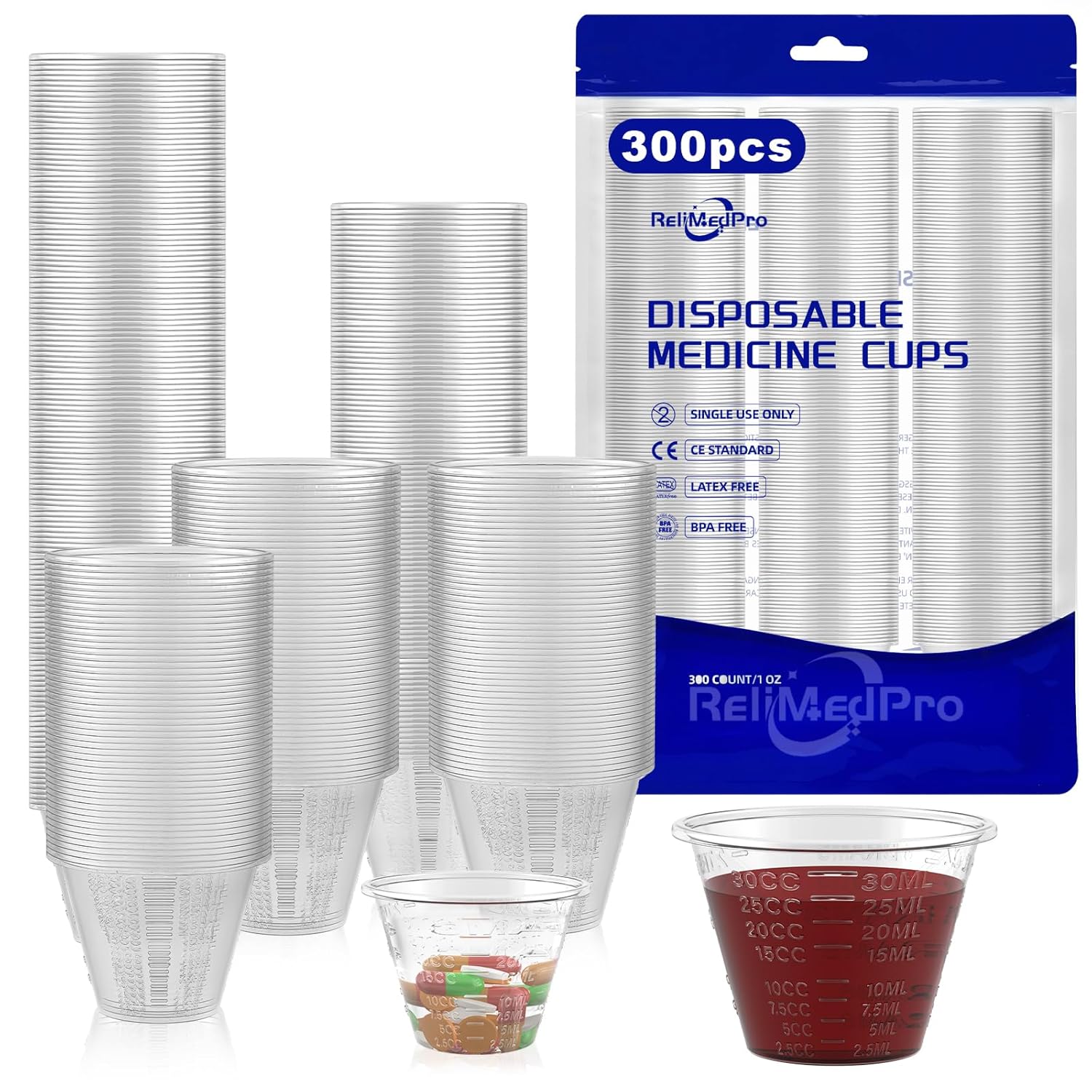
Bulk disposable packs often arrive in resealable bags that fit compactly on utility shelves without taking up permanent kitchen real estate. Evaluating your storage constraints helps you maintain an organized workspace without sacrificing quick access to necessary tools when inspiration strikes. Proper storage keeps your measuring cups clean, protected, and ready for action.
Cleaning and Maintenance
Maintaining proper hygiene requires choosing cups that fit your preferred cleaning routine, whether that involves quick hand washing or automated machine dishwashing. Top-rack dishwasher-safe polymer materials save valuable time after intense baking sessions by handling warm cleaning cycles without structural warping or melting. Checking manufacturer cleaning instructions ensures your measuring tools retain their integrity over long periods of regular use.
Some printed measurement scales require gentle hand washing with mild soap to prevent premature fading from aggressive dishwasher detergents. On the other hand, disposable options eliminate the cleaning process entirely, offering unmatched convenience for messy resin mixing, paint blending, or sticky medical dosing tasks. Matching maintenance needs to your lifestyle prevents frustration.
Frequently asked questions
Can small plastic measuring cups be placed in the microwave?
Most standard small plastic measuring cups are not designed for microwave use unless explicitly stated by the manufacturer. Exposing thin plastics or specialized polymers to high microwave heat can cause rapid warping, melting, or leaching of materials into your food or liquids. Always check the specific product guidelines before attempting to warm ingredients inside any miniature measuring vessel. If you need to heat liquids, transfer them to a dedicated microwave-safe glass or ceramic container instead of relying on small plastic measuring tools.
How do I prevent measurement markings from rubbing off?
Protecting printed measurement markings involves following recommended care instructions, which frequently advocate for hand washing with a soft sponge and mild dish soap. Abrasive scouring pads, harsh chemical solvents, and high-heat commercial dishwashers can degrade printed scales over time, rendering them difficult to read. If longevity is your primary concern, look for cups featuring embossed or molded-in markings that physically cannot rub off, ensuring permanent readability regardless of how many times you wash the vessel.
Are disposable medicine cups sturdy enough for mixing epoxy resin?
Yes, thick polypropylene disposable medicine cups work exceptionally well for mixing small batches of epoxy resin, acrylic paint, or crafting glues. Their smooth interiors allow you to scrape out mixed compounds completely without trapping residue in corners. However, because they are single-use items constructed from flexible plastic, you should support the base with your hand when moving heavier fluids to prevent bending, accidental spills, or structural flexing during your crafting sessions.
What is the benefit of an angled measuring cup design?
An angled measuring cup features an internal sloped surface that displays standard and metric volume markings when viewed directly from above. This innovative geometry eliminates the traditional need to fill a cup, bend down to eye level, check the meniscus, and adjust the liquid level repeatedly. It speeds up baking preparation significantly and reduces awkward posture strain, allowing you to pour and measure ingredients simultaneously while looking straight down into the vessel.
Can I use the same small measuring cups for food and workshop crafts?
While many small plastic measuring cups utilize food-grade materials that are perfectly safe for culinary ingredients, it is generally best practice to dedicate separate cups for non-food tasks like resin crafting, hair dye mixing, or chemical dosing. Cross-contamination between toxic workshop materials and kitchen baking ingredients must be avoided. Purchasing multi-packs allows you to color-code or physically separate your measuring tools, ensuring that crafting chemicals never compromise your food preparation safety.