Appliances · Buying Guide
Best Sourdough Bread Pizza Crust Tools for Crisp Home Baking
Baking artisan sourdough bread pizza crust at home requires dependable prep surfaces and high-heat cooking tools. Whether you are kneading sticky dough or chasing a restaurant-quality charred bottom in your oven, having the right equipment transforms the process. Dedicated pastry mats and conductive baking steels help bridge the gap between amateur attempts and professional results.
Selecting appropriate accessories depends on your specific kitchen setup, oven dimensions, and baking style. Heavy carbon steel plates retain intense thermal energy for rapid baking, while non-slip silicone surfaces simplify rolling out delicate doughs. Reviewing individual specifications ensures your chosen gear matches your culinary goals without unnecessary clutter.
As an Amazon Associate, StacyLaughs earns from qualifying purchases.
Buying guide
Selecting the Right Baking Surface Material
Choosing between carbon steel plates and silicone pastry mats depends entirely on whether you are prepping ingredients or actually baking your sourdough bread and pizza crust. Heavy carbon steel baking sheets excel inside hot kitchen ovens or on outdoor grills, absorbing and retaining extreme thermal energy to produce blistered, professional-quality crust textures. These robust steel plates effectively replace fragile ceramic stones with crack-resistant durability, ensuring reliable heat conduction for years of heavy baking use.
In contrast, food-grade silicone mats serve as your dedicated countertop workspace during the messy stages of mixing and rolling. Their naturally non-stick properties and clearly printed measurement guides simplify kneading sticky sourdough and shaping uniform pizza dough without requiring excessive extra flour. Combining both accessory types creates a balanced, efficient workflow that transitions smoothly from initial counter prep to high-heat oven baking.
Sizing Your Equipment for Oven Compatibility
Before purchasing any baking steel, stone, or pastry mat, accurate interior measurement of your oven, grill, and counter space is essential. Extra-large rectangular surfaces measuring over two feet wide provide incredible baking versatility for large families, but they demand substantial interior oven clearance to fit properly. Failing to measure your cooking chamber beforehand can result in hardware that physically blocks the oven door or restricts essential airflow.
Similarly, countertop rolling mats require adequate surface area to lie completely flat without hanging over counter edges. Matching your physical kitchen dimensions with the correct accessory size prevents storage headaches and ensures optimal thermal circulation during baking. Always cross-reference the exact product specifications with your available space before finalizing your baking toolkit selections.
Managing Thermal Mass and Heat Retention
Understanding how thermal mass operates helps you time your preheating schedules effectively. Steel plates generally require adequate preheating time inside a hot oven to build up sufficient thermal energy before you launch your raw dough. Skipping this crucial preheating window results in pale, underbaked crusts regardless of how high your oven thermostat is set.
Carbon steel baking plates utilize high thermal mass to replicate professional brick-oven performance in a standard home kitchen. Their impressive thickness allows them to absorb intense heat and transfer it rapidly into your sourdough loaf or pizza dough upon contact. This aggressive heat transfer is what triggers dramatic oven spring and forms that coveted crispy bottom crust.
Maintaining and Seasoning Baking Hardware
Proper maintenance ensures your baking steel and silicone accessories remain reliable for countless pizza nights and sourdough loaves. Carbon steel pans require simple wipe-downs and periodic seasoning rather than aggressive scrubbing with harsh dish soaps or soaking in water. Allowing a seasoned protective layer to develop over time prevents rust and enhances the natural non-stick characteristics of the steel surface.
Meanwhile, silicone pastry mats demand gentle cleaning with warm soapy water or dishwasher cycles, followed by careful rolling rather than folding for storage. Avoiding sharp metal utensils on silicone surfaces prevents accidental punctures, while keeping carbon steel dry protects its structural integrity. Adhering to these manufacturer guidelines guarantees long-lasting performance across all your baking tools.
Optimizing Countertop Prep and Kneading Workflows
Crafting artisan sourdough and stretchable pizza crusts begins with a stable, non-slip counter setup that minimizes frustration. Upgraded silicone mats featuring textured bottom grips adhere firmly to wooden or marble surfaces, stopping the mat from sliding during vigorous kneading. Encapsulated fiberglass structures inside premium mats maintain a flat, wrinkle-free workspace, allowing you to stretch sticky dough confidently with minimal flour interference.
Clear measurement guides printed directly onto the mat surface remove guesswork when sizing dough rounds or measuring ingredients. High-contrast border blocks ensure imperial and metric numbers remain fully legible even when dusted with flour. Utilizing a dedicated prep mat protects your kitchen counters from dough residue and simplifies cleanup when your baking session concludes.
Balancing Capacity Versus Handling Convenience
Deciding between extra-large baking surfaces and compact plates involves weighing maximum food capacity against daily handling convenience. Extra-large stones and mats provide expansive areas to bake multiple pizzas or oversized sourdough loaves simultaneously, making them ideal for entertaining family and guests. However, their generous physical dimensions also translate to heavier overall weight and more challenging storage requirements in standard home kitchens.
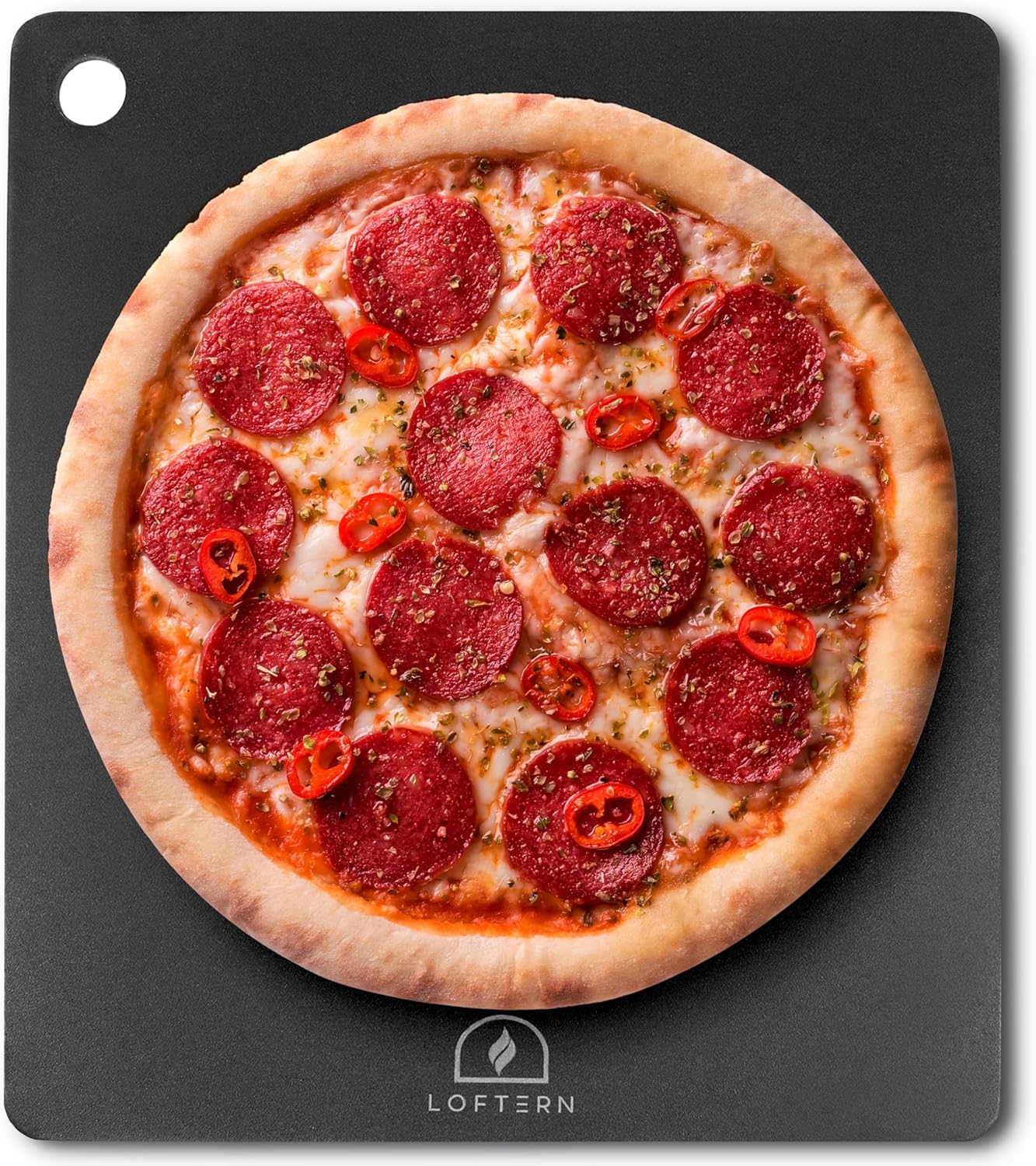
Conversely, smaller compact steel plates often feature integrated lifting holes that make moving heavy metal in and out of hot ovens significantly safer and easier. Choosing the right balance depends on your household size, oven capacity, and personal comfort when maneuvering hot cookware. Assessing these factors ensures you select baking tools that match your practical cooking style.
Frequently asked questions
Can I use a silicone pastry mat inside a hot oven for baking sourdough bread?
Silicone pastry mats are specifically engineered for countertop preparation, such as rolling, kneading, and shaping sourdough bread or pizza crust dough. Most quality silicone mats feature strict temperature thresholds, capping out around 450 degrees Fahrenheit, and they are generally not designed to withstand direct, high-heat oven baking environments or broilers. Placing a silicone mat directly on a hot oven rack can damage the material and ruin your mat. Instead, use your silicone mat exclusively on the counter for prep work, and transfer your shaped dough onto a preheated carbon steel plate or baking stone inside the oven for the actual cooking phase.
Why is carbon steel preferred over traditional ceramic stones for pizza and bread?
Carbon steel baking plates offer exceptional durability and superior thermal conductivity compared to traditional ceramic pizza stones. While ceramic stones can crack or shatter from thermal shock when exposed to rapid temperature changes or moisture, heavy-duty carbon steel withstands extreme heat without cracking or warping. Steel plates absorb and retain intense heat much faster than ceramic, transferring that energy directly into your sourdough pizza crust to create a superior, blistered texture. Furthermore, carbon steel requires minimal maintenance with simple wiping, whereas traditional stones often absorb oils and require delicate cleaning methods that can complicate long-term upkeep.
How do I clean and maintain a carbon steel baking plate after use?
Maintaining a carbon steel baking plate is straightforward and avoids the complicated scrubbing required by other cookware. After your baking session is complete and the steel has cooled down completely, simply wipe the surface clean using a damp cloth or a dry towel. For stubborn residue, you can gently scrape the area clean without using harsh detergents or soaking the plate in water. Dishwasher use should be strictly avoided to protect the seasoned finish. Over time, regular use and light oiling help the steel develop a dark, naturally non-stick seasoned surface that improves cooking performance and protects against rust.
Do I need to use extra flour when rolling dough on a silicone pastry mat?
While silicone pastry mats feature naturally non-stick surfaces designed to release pie crusts, cookie doughs, and pizza bases with minimal friction, sticky sourdough dough formulations can still present challenges. For very wet or high-hydration sourdough doughs, a small dusting of flour or a light application of oil on the mat surface is recommended to ensure effortless release and prevent sticking. The printed measurement guides and non-slip bottom remain fully functional even when lightly floured, helping you knead and shape your dough comfortably without fighting against a tacky countertop or sliding mat surface during your baking preparation tasks.
How do I choose the correct size baking steel for my oven?
Choosing the correct size baking steel requires measuring the interior dimensions of your oven cavity, including depth and width, before making any purchase. You must ensure that the steel plate leaves enough clearance around the edges to allow proper air circulation and to prevent blocking the oven door. If you frequently bake for large groups, an extra-large rectangular surface maximizes capacity. If you prefer easier handling or have a compact oven, a smaller plate featuring integrated lifting holes offers a more manageable footprint while still delivering professional-grade heat distribution for single pizzas and artisan sourdough loaves.