Appliances · Buying Guide
Best Sourdough Bread Storage Container Options for Fresh Homemade Loaves
Finding the right container to keep your homemade sourdough bread crusty on the outside and soft on the inside remains a common challenge for home bakers. Proper storage prevents premature drying, protects against kitchen elements, and helps your artisan loaves maintain their ideal texture and rich flavor profile for extended periods without spoiling early.
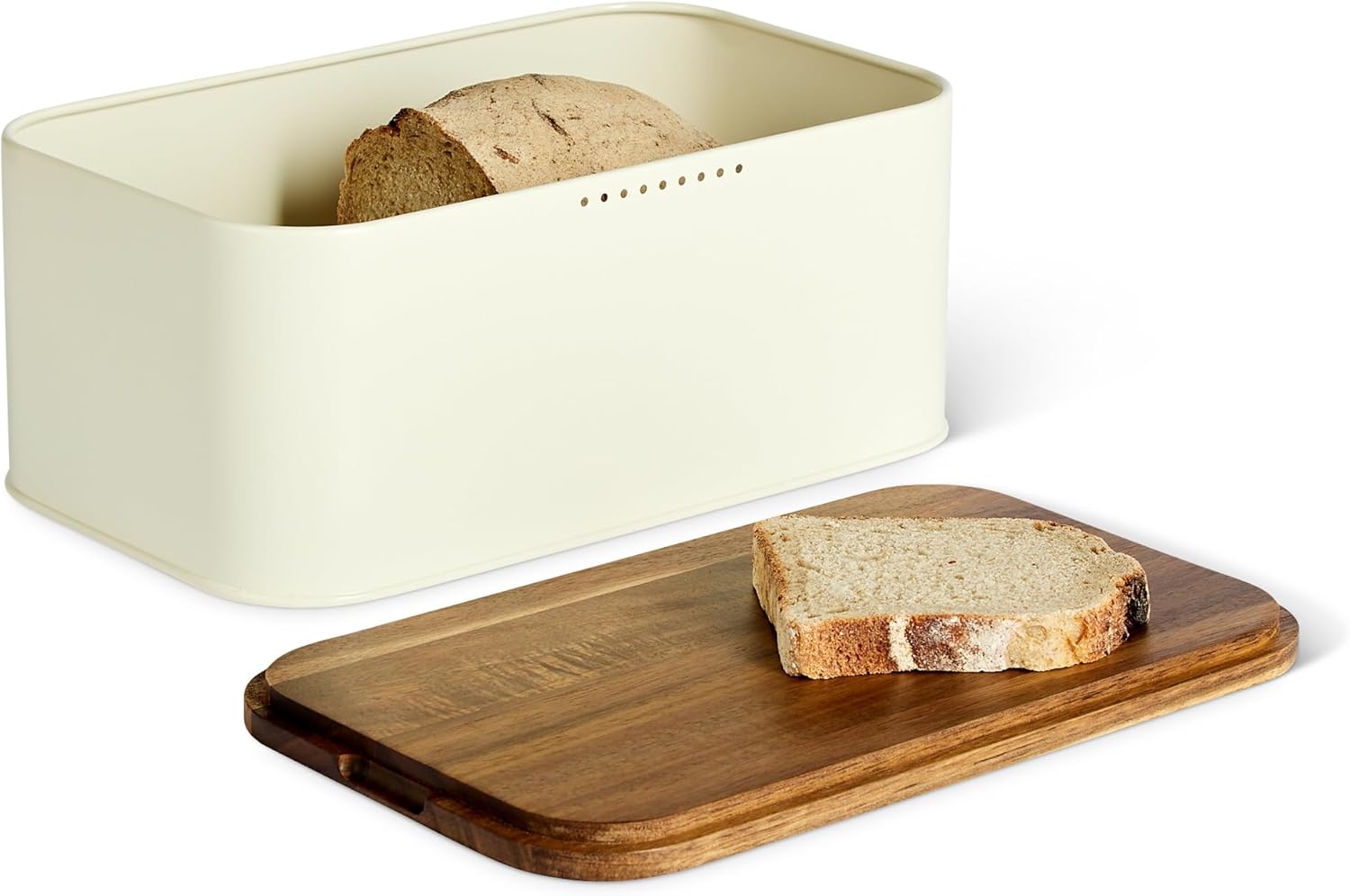
Various structural materials, internal capacities, and specialized sealing mechanisms offer distinct advantages depending on your daily baking habits and kitchen counter space. Whether you prefer a transparent plastic box featuring adjustable air vents and date tracking or a classic carbon steel bin equipped with a wooden cutting board lid, matching the container to your specific household needs ensures lasting freshness.
As an Amazon Associate, StacyLaughs earns from qualifying purchases.
Buying guide
Material Selection and Durability
Choosing the right material for your sourdough container significantly impacts both structural longevity and daily kitchen performance. Options range from food-grade plastic and powder-coated carbon steel to robust stainless steel and thickened tempered glass. Each material offers unique structural characteristics that influence how well the container withstands routine handling and everyday kitchen activities without developing surface wear or structural weakness.
Lightweight plastic and PET models provide clear interior visibility, whereas stainless steel and tempered glass offer enhanced surface durability. You should consider how often you physically move the container and whether you prefer modern metal finishes or traditional glass bodies to match your existing countertop decor and storage preferences seamlessly over time.
Sealing Mechanisms and Freshness Control
Maintaining your sourdough crust texture requires evaluating how each storage box manages interior airflow and moisture levels over time. Airtight designs typically incorporate high-quality silicone sealing rings, multiple secure locking buckles, and specialized air valves. These integrated elements work together to block outside air penetration while letting you regulate internal ventilation depending on your specific baking requirements and humidity conditions.
In contrast, passive ventilation systems use built-in holes to promote continuous air circulation without heavy physical seals. Deciding between a fully locked airtight environment and passive breathability depends entirely on whether your sourdough tends to dry out quickly in storage or requires steady air exchange to preserve its rustic outer crust.
Capacity and Internal Dimensions
Sourdough loaves come in various shapes and sizes, making interior capacity a crucial factor during your selection process. Most standard countertop containers hold between five and six liters, comfortably accommodating typical round boules or standard sandwich loaves. However, specialized shapes like extra-long artisanal baguettes often exceed standard rectangular boundaries and require prior slicing to fit correctly inside the enclosure.
Measuring your available storage space alongside your typical baking output effectively prevents sizing mistakes. A larger capacity box easily accommodates bulk baking days, while more compact models fit neatly into restricted pantry shelves or crowded kitchen corners without overwhelming your available countertop surface area during daily food preparation tasks.
Lid Functionality and Cutting Surfaces
Modern bread storage containers frequently feature multi-functional lids designed to enhance everyday kitchen convenience and operational efficiency. Certain models incorporate durable wooden or bamboo lids that double as dedicated cutting boards for slicing fresh bread. This integrated dual-purpose design eliminates the need for a separate board when preparing morning toast or afternoon sandwiches directly on the countertop.
Other lid styles emphasize crystal-clear visual monitoring or integrated date-tracking dials to monitor food storage duration accurately over time. Evaluating whether you prefer a flat wooden cutting surface or a transparent locking lid helps streamline your counter space and significantly simplifies your daily bread preparation routine without adding unnecessary equipment clutter.
Maintenance and Cleaning Requirements
Keeping your bread container hygienic requires understanding the specific manufacturer maintenance guidelines associated with each material type. While certain stainless steel bases support dishwasher cleaning cycles for effortless cleanup, plastic, glass, and wooden components usually require careful manual hand washing. Following these care instructions protects long-term structural integrity and prevents premature surface damage over years of regular home use.
Wooden lids and bamboo cutting surfaces demand simple damp cloth wiping to preserve their natural wood finish without water warping or cracking. Reviewing these cleaning expectations beforehand ensures that your chosen storage container fits comfortably into your household cleaning routine without creating unexpected maintenance burdens or accidental material degradation.
Portability and Countertop Placement
Consider how you plan to store and transport your bread container when evaluating different physical designs and external dimensions. Models equipped with hidden top handles and stackable footprints offer exceptional portability for outdoor picnics, camping trips, or crowded pantry shelves. These specialized design features allow you to optimize vertical storage space in smaller kitchen environments effortlessly.
On the other hand, traditional countertop boxes prioritize structural stability and elegant aesthetic presence over frequent mobility. Assessing your specific kitchen layout, cabinet shelf clearance, and outdoor travel frequency ensures you select a container that successfully balances convenient daily countertop access with flexible storage capabilities for your entire household.
Frequently asked questions
How do time-recording dials on sourdough containers work?
Time-recording dials integrated into certain bread storage containers help you track the exact storage age of your baked goods. These dials typically feature a small adjustable clip or turning mechanism marked with months and days. By manually adjusting the indicators when you store a fresh loaf, you can easily monitor how many days have passed. This simple visual management tool prevents you from forgetting older loaves, helping you consume your homemade sourdough during its peak freshness period and avoiding unnecessary food waste.
Can I store items other than sourdough bread in these containers?
Yes, many of these storage containers feature versatile multi-purpose designs suitable for various kitchen items beyond sourdough bread. Models equipped with detachable interior drain boards are particularly useful for storing fresh fruits and vegetables because the tray allows moisture to pool at the bottom, preventing produce from sitting in standing water and spoiling prematurely. You can also use these spacious containers for storing pastries, muffins, cookies, grains, pasta, snacks, or dry kitchen staples while keeping your pantry organized.
Do these sourdough containers keep bread completely airtight?
Airtight capability depends heavily on the specific model and sealing mechanism you choose. Several plastic and stainless steel containers feature high-quality silicone sealing rings, secure locking buckles, and adjustable air valves to create a tight seal. These components allow you to close the valve for maximum moisture retention or open it for air circulation. However, other models utilize passive ventilation holes or wooden lids that rest on top, providing optimal airflow rather than a fully sealed airtight environment.
How should I clean and maintain my bread storage box?
Cleaning requirements vary depending on the construction materials of your chosen container. Some stainless steel bases support dishwasher cleaning cycles for easy maintenance, but many plastic, glass, and metal models require hand washing only. Components with wooden or bamboo lids generally demand simple damp cloth wiping to prevent water warping or cracking. Always review the manufacturer care instructions carefully before cleaning to preserve structural integrity, maintain long-term surface finishes, and protect specialized features like date dials or seals.
Will an extra-long sourdough baguette fit into these storage boxes?
Most standard bread storage containers feature rectangular interior dimensions ranging from roughly eleven to fourteen inches in length, which easily accommodates standard round boules, sandwich loaves, and smaller pastries. However, extra-long artisanal baguettes and oversized specialty loaves will typically not fit inside these enclosed compartments without prior slicing. It is important to check the specific length and capacity dimensions of each container before purchasing if you frequently bake unusually long loaves that exceed standard countertop box sizes.