Appliances · Buying Guide
Best Sourdough Starter at Home Tools for Precise Temperature Control
Mastering sourdough starter at home requires managing ambient kitchen temperatures that often fluctuate wildly between cold winter drafts and warm summer heatwaves. Maintaining a stable, controlled environment ensures your wild yeast remains active, bubbly, and completely predictable for every single baking schedule you set throughout the year. Choosing the right device transforms your daily routine.
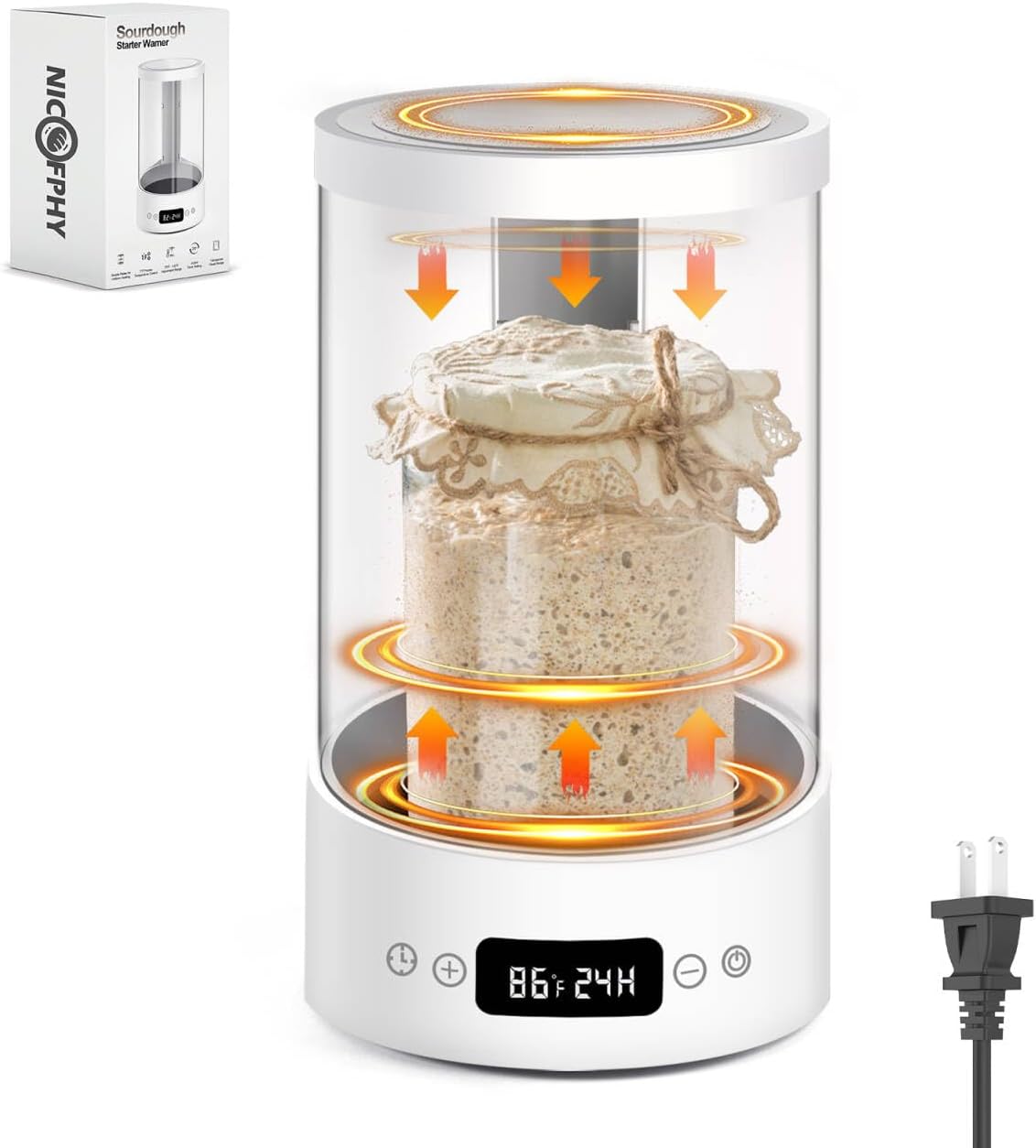
Dedicated fermentation tools take the guesswork out of daily maintenance by providing steady heating or cooling capabilities directly on your countertop workspace. Whether you need to speed up a sluggish rise before morning prep or slow down feeding schedules during busy work weeks, specialized appliances help optimize your artisan baking routine effortlessly and reliably.
As an Amazon Associate, StacyLaughs earns from qualifying purchases.
Buying guide
Evaluating Temperature Range and Control Precision
Selecting a sourdough starter appliance requires examining the exact temperature span it can maintain. Units that offer both heating and cooling give you maximum flexibility across drastic seasonal changes, preventing overproofing during summer heatwaves and sluggish activity in winter. Look for devices providing precise digital controls so you can dial in exact degrees rather than relying on generalized, unregulated warmth.
Precision control prevents your wild yeast from overheating or lagging during critical growth phases. Fine-tuning capability ensures consistent rise times, better bubble formation, and predictable flavor profiles in every loaf of artisan bread you bake at home. Understanding these thresholds helps you maintain a healthy culture without constant guesswork or ruined batches.
Assessing Size Constraints and Countertop Footprint
Kitchen counter space is always at a premium, making physical dimensions a crucial purchasing factor for home bakers. Compact cubes and slim warming bases take up minimal room, fitting easily next to standard coffee makers or mixers without crowding your workspace. Measure your available area and cabinetry clearance before purchasing any specialized fermentation equipment to ensure a seamless fit.
Internal chamber dimensions dictate the maximum height and width of your starter jars. Enclosed incubators often restrict vessel dimensions to ensure proper heat distribution, meaning you may need to swap tall mason jars for shorter, wider containers that fit safely inside without blocking heating plates or viewing windows.
Choosing Between Heating and Dual-Climate Capabilities
Not all fermentation devices are built the same way, making it essential to match appliance capabilities with your local kitchen climate. Basic warming mats and heated bases provide steady upward warmth to combat cold winter drafts and accelerate sluggish rising times. These units typically consume very little electrical power and offer straightforward plug-and-play operation for simple daily feeding routines.
If your home experiences extreme seasonal swings, dual-climate units featuring active cooling functions become invaluable. They allow you to slow down wild yeast activity during warm summer weather or extended absences, giving you total command over your baking schedule while significantly minimizing unnecessary flour waste and maintaining a vigorous culture.
Importance of Monitoring and Visibility Features
Keeping track of your starter growth without disturbing its internal climate is a major advantage during active baking cycles. Transparent viewing windows or clear warming domes let you observe active bubble formation and dramatic rise levels instantly from across the room. This visual access eliminates the need to open chamber doors constantly to check progress.
Avoiding frequent door openings prevents sudden internal temperature drops that can disrupt delicate fermentation cycles. Paired with clear measurement scales on included jars, this direct visual monitoring helps you gauge exactly when your wild yeast culture reaches peak activity for mixing your final artisan bread dough successfully, ensuring airy texture and rich flavor.
Leveraging Timer Functions and Safety Controls
Modern fermentation appliances often include programmable timers and smart memory settings to streamline your sourdough baking workflow. Reservation schedules let you manage heating durations without constant manual supervision, ensuring your starter receives consistent warmth exactly when required for your specific recipe timeline. Memory functions automatically retain your last temperature settings for quick, one-touch restarts.
Built-in safety mechanisms, such as automatic shut-off features, provide vital peace of mind during extended overnight operations. These protective controls prevent potential overheating hazards if a unit is left unconfigured, making daily maintenance significantly safer for busy households and reducing everyday oversight errors during hectic baking weeks.
Maintenance and Cleaning Considerations
Keeping fermentation equipment clean is essential for maintaining a healthy, uncontaminated sourdough culture over the long term. Smooth surfaces, tempered glass tops, and removable internal shelves simplify wiping away scattered flour dust and sticky dough drips after each daily feeding session without complicated disassembly procedures.
Following manufacturer cleaning guidelines for hand washing or dishwasher-safe glass jars ensures equipment longevity. Selecting materials that resist flour buildup and stubborn residue keeps your entire setup hygienic and ready for continuous, trouble-free baking use across every season without ever damaging sensitive electronic heating or cooling components.
Frequently asked questions
Do I need a device with cooling capabilities for my sourdough starter?
Whether you need cooling depends entirely on your local climate and kitchen ambient temperatures. If your home stays relatively cool year-round, a basic heating warmer or mat is usually sufficient to combat winter drafts. However, if your kitchen gets very warm during summer months, a unit with active cooling functions helps prevent your wild yeast from overproofing too quickly. Dual-climate systems offer the greatest flexibility by allowing you to both warm and cool your starter to match your specific baking schedule.
Can I use tall mason jars inside enclosed sourdough incubators?
Jar compatibility depends heavily on the internal dimensions of the specific incubator or warming dome you choose. Many enclosed units and warming domes feature strict height and diameter limitations to ensure proper heat distribution and clearance. If you prefer using oversized storage vessels, you should carefully check the manufacturer specifications before ordering. Often, bakers need to switch from tall, narrow jars to shorter, wider wide-mouth containers that fit comfortably inside the heated or cooled chamber without blocking internal components.
How do timer functions help with daily sourdough maintenance?
Timer functions and auto shut-off features add convenience and safety to your daily baking routine by eliminating the need for constant supervision. You can set specific operating durations for warming cycles so your starter reaches the desired temperature without overheating. Additionally, smart memory functions retain your previous temperature and time settings, allowing for effortless one-touch restarts whenever you feed your culture. These automated controls reduce guesswork and help maintain consistent yeast activity across busy schedules.
What is the benefit of using a viewing window on a starter home?
A transparent viewing window or clear warming dome allows you to monitor your sourdough starter's rise and bubble formation directly without opening the chamber door. Repeatedly opening an incubator introduces drafts and causes sudden internal temperature fluctuations that can disrupt delicate fermentation cycles. By keeping the door closed, you maintain a stable, controlled climate while still keeping a close eye on your culture's progress to determine the exact peak moment for mixing your bread dough.
How do I clean and maintain my sourdough starter appliance?
Proper maintenance involves wiping down smooth interior and exterior surfaces, tempered glass tops, and removable shelves with a damp cloth to remove flour dust and dried dough drips. Always follow the manufacturer guidelines regarding cleaning instructions for any included glass jars or accessories, noting whether they are hand wash only or dishwasher safe. Keeping heating and cooling zones free of sticky residue ensures optimal thermal performance and extends the lifespan of your equipment for reliable daily baking.