Appliances · Buying Guide
Best Sourdough Starter Feeding Charts For Easy Baking
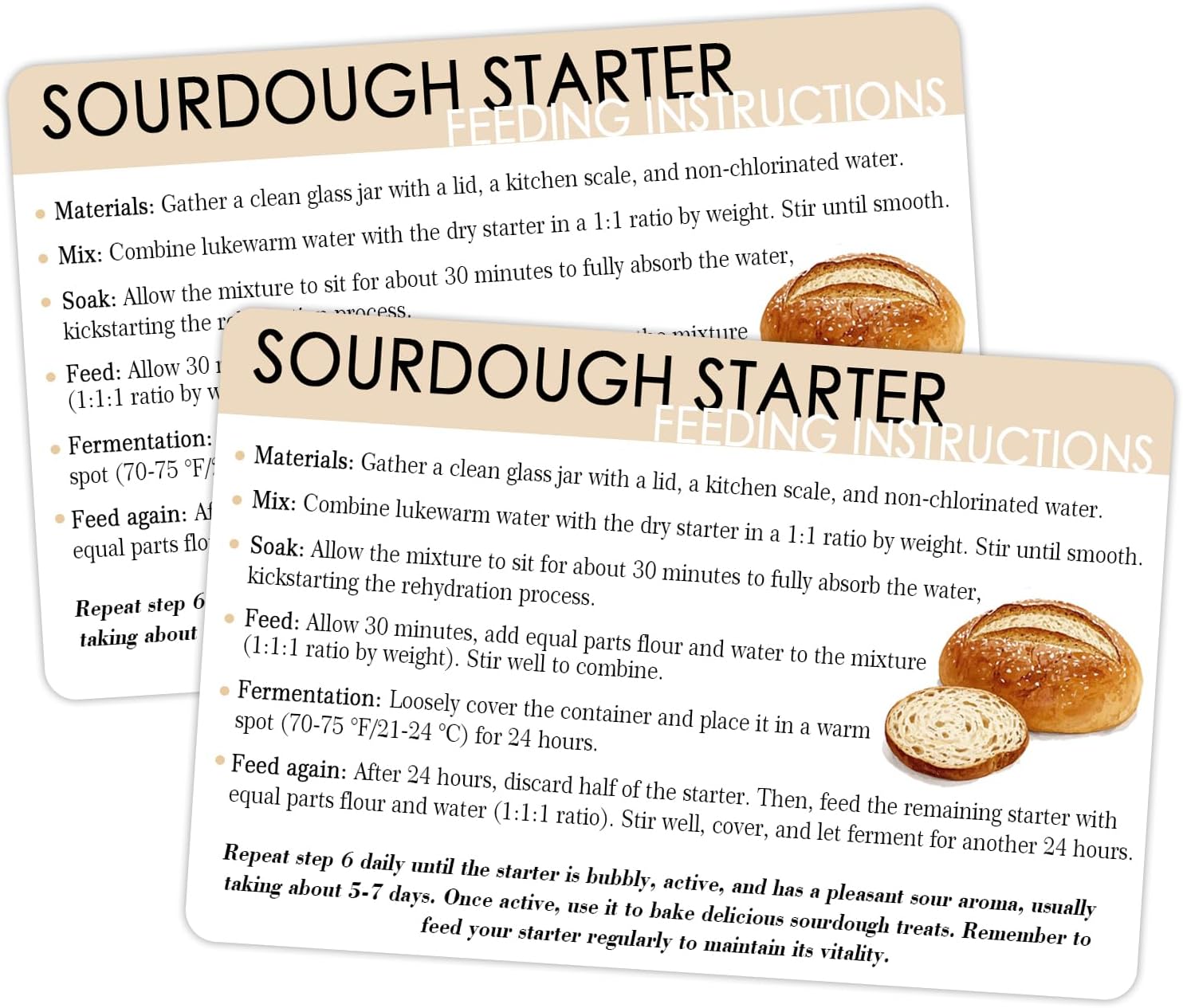
Maintaining a healthy sourdough starter requires consistent feeding schedules, precise ratios, and careful temperature monitoring. Whether you are baking your first loaf or refining a weekly routine, having a clear reference nearby removes guesswork from the process. Many bakers rely on printed guides, posters, and reference cards to keep ratios and fermentation times straight right on the kitchen counter or wall.
Choosing the right reference depends largely on your available kitchen space and how you prefer to view instructions while baking. Some options hang permanently on the wall as decorative posters, while others attach magnetically to appliances or sit in compact card stacks. Exploring these different formats helps you find a setup that matches your baking habits and keeps essential steps visible during flour dusting and dough mixing.
As an Amazon Associate, StacyLaughs earns from qualifying purchases.
Buying guide
Choosing a Mounting Style
When selecting a sourdough reference guide, evaluating how it attaches to your kitchen environment is a crucial first step for daily baking workflow. Large wall posters offer high visibility from across the room, letting you check feeding schedules while moving around the kitchen. However, they require clear wall space and permanent hanging hardware.
Magnetic sheets attach directly to refrigerators or ovens, keeping details within arm reach without drilling holes. Portable cards offer maximum flexibility, resting directly on the counter next to your mixing bowl. Matching the mounting style to your physical kitchen layout prevents workspace clutter and ensures effortless viewing during messy baking tasks.
Understanding Feeding Ratios
Sourdough charts typically display standard ratios like one-to-one-to-one or one-to-two-to-two to dictate starter nourishment. Understanding these numerical relationships helps you control how fast your culture consumes flour and water. Everyday maintenance relies on balanced proportions, while building strength for baking often requires heavier flour ratios to slow down fermentation.
Reviewing the specific ratios included on a chart ensures it supports your preferred baking schedule. Some guides focus only on basic upkeep, while others map out goal-based ratios for refrigeration and quick boosts. Selecting a chart with the exact ratios you use prevents confusion when managing your starter culture at home.
Material Durability and Maintenance
Kitchen environments expose reference materials to flour dust, water splashes, and oil splatters during regular baking sessions. Glossy paper posters and laminated magnetic sheets provide smooth surfaces that wipe clean easily when messes occur. Choosing durable materials prevents paper warping and keeps typography legible over months of frequent daily use.
Standard paper cards or unsealed prints may absorb moisture or stain more easily if left unprotected near mixing bowls. Checking the material finish helps you select a guide capable of withstanding active baking conditions. Laminated or glossy options offer better longevity, ensuring your feeding instructions remain clear and usable over time.
Reading Distance and Typography
The size of a reference guide directly impacts how easily you can read text from various spots in your kitchen. Large posters measuring thirteen by nineteen inches allow you to check measurements and schedules from across the room. Smaller cards or magnet sheets require you to stand close for legible details.
Typography style and layout organization also influence how quickly you can find crucial feeding data. Infographics with clear icons, bold headings, and distinct color-coded sections reduce eye strain during early morning baking prep. Evaluating your eyesight and kitchen workspace dimensions ensures you select a chart you can read effortlessly.
Managing Fermentation and Temperatures
Ambient kitchen temperatures significantly alter how quickly a sourdough starter peaks and requires its next meal. Comprehensive guides often include temperature reference charts to help bakers adjust feeding intervals during seasonal climate shifts. Understanding these environmental influences prevents starter neglect and maintains healthy yeast activity throughout the year.
Look for charts that incorporate troubleshooting tips regarding sluggish fermentation or overactive starters. Having environmental guidelines printed right beside your feeding schedule helps you diagnose common baking obstacles quickly. This added context transforms a simple ratio list into an educational tool for troubleshooting dough performance issues.
Space Planning and Portability
Physical counter and wall space dictates whether a large poster or a compact card set fits your home best. Wall-mounted charts keep valuable counter surfaces open for mixing bowls, scales, and dough scrapers. Conversely, portable cards let you rearrange your workspace and move instructions directly to where you are working.
Assessing where you mix ingredients helps determine the ideal form factor for your baking reference. If your kitchen features ample refrigerator or appliance surfaces, magnetic sheets offer a convenient middle ground. Careful space planning ensures your chosen feeding guide enhances your routine without creating additional counter clutter.
Frequently asked questions
What are standard sourdough feeding ratios?
Standard sourdough feeding ratios describe the proportions of starter, fresh flour, and water mixed together during a refresh. Common ratios include one-to-one-to-one, one-to-two-to-two, and one-to-three-to-three. The first number represents the established starter, the second represents flour, and the third represents water. A one-to-one-to-one ratio is typically used for daily maintenance, while higher ratios like one-to-two-to-two provide more food for the yeast, slowing down fermentation and helping build strength for weekend baking projects without requiring overly frequent meals.
How do I clean a laminated or glossy baking guide?
Laminated surfaces and glossy paper prints can generally be wiped clean using a soft, slightly damp cloth to remove flour dust or water splashes. Avoid using harsh chemical cleaners, abrasive scrubbers, or soaking the material in water, as excessive moisture can damage paper edges or degrade laminated layers. Regularly wiping down magnetic sheets or posters keeps them looking neat and ensures the printed text remains sharp and readable for everyday kitchen reference during your baking sessions.
Where should I place a sourdough feeding chart in my kitchen?
The ideal placement for a sourdough feeding chart depends on its physical format and your personal kitchen layout. Wall posters work best mounted at eye level near your primary baking station or prep counter where you can view steps from a distance. Magnetic guides attach securely to refrigerators, ovens, or other metal appliances, keeping instructions within arm reach. Portable cards can sit directly on the counter next to your starter jar, offering flexible placement during active mixing routines.
Are larger posters better than compact cards for baking references?
Larger posters and compact cards serve different workflow preferences rather than one being universally superior. Large wall posters provide expansive, easy-to-read infographics that you can glance at from across the room without stopping your work. Compact cards offer portability, allowing you to place specific instruction steps right next to your mixing bowl on a crowded counter. Your choice depends entirely on whether you prefer a permanent wall fixture or mobile cards that can be tucked away.
What information should be included on a sourdough feeding chart?
A comprehensive sourdough feeding chart typically includes core maintenance ratios, feeding schedules, starter stages, and ingredient measurements. Many guides also feature ambient temperature recommendations, fermentation timing cues, hydration levels, and signs that indicate your starter is ready to bake. Some references provide troubleshooting notes for common challenges like sluggish fermentation or acidic starters. Selecting a chart with the specific details you find most helpful ensures you have immediate guidance during every stage of your bread-making routine.