Appliances · Buying Guide
Best Sourdough Stretch and Fold Containers and Proofing Boxes
Mastering artisanal bread baking requires careful attention to dough temperature and fermentation stages, especially during the crucial stretch and fold process. Whether you are managing high-hydration formulas, working through sticky dough masses, or keeping a starter active in a chilly kitchen, having the right gear makes a noticeable difference in crumb structure and eventual oven spring.
Choosing dedicated equipment like stackable translucent containers or temperature-controlled folding proofing boxes helps take the guesswork out of daily baking schedules. This guide examines practical options designed to support your baking routine, focusing on physical dimensions, material composition, capacity, and heating features to help you select the right tools that fit your specific kitchen counter and storage space.
As an Amazon Associate, StacyLaughs earns from qualifying purchases.
Buying guide
Evaluating Capacity and Container Dimensions
Choosing the correct container size directly impacts your ability to perform effective stretch and fold routines without spilling or crowding the dough. Consider how much flour you typically use per batch, as high-hydration recipes expand significantly during bulk fermentation. Rectangular or wide-base vessels give your hands ample room to grab and stretch dough from underneath.
Always check both internal volume and exterior dimensions to ensure the container fits comfortably inside your refrigerator or warming box. Oversized bowls might hold massive dough quantities but crowd standard shelves, while compact options limit your maximum batch size. Matching dimensions to your typical baking volume prevents awkward handling during crucial folding sequences.
Understanding Temperature Control Ranges
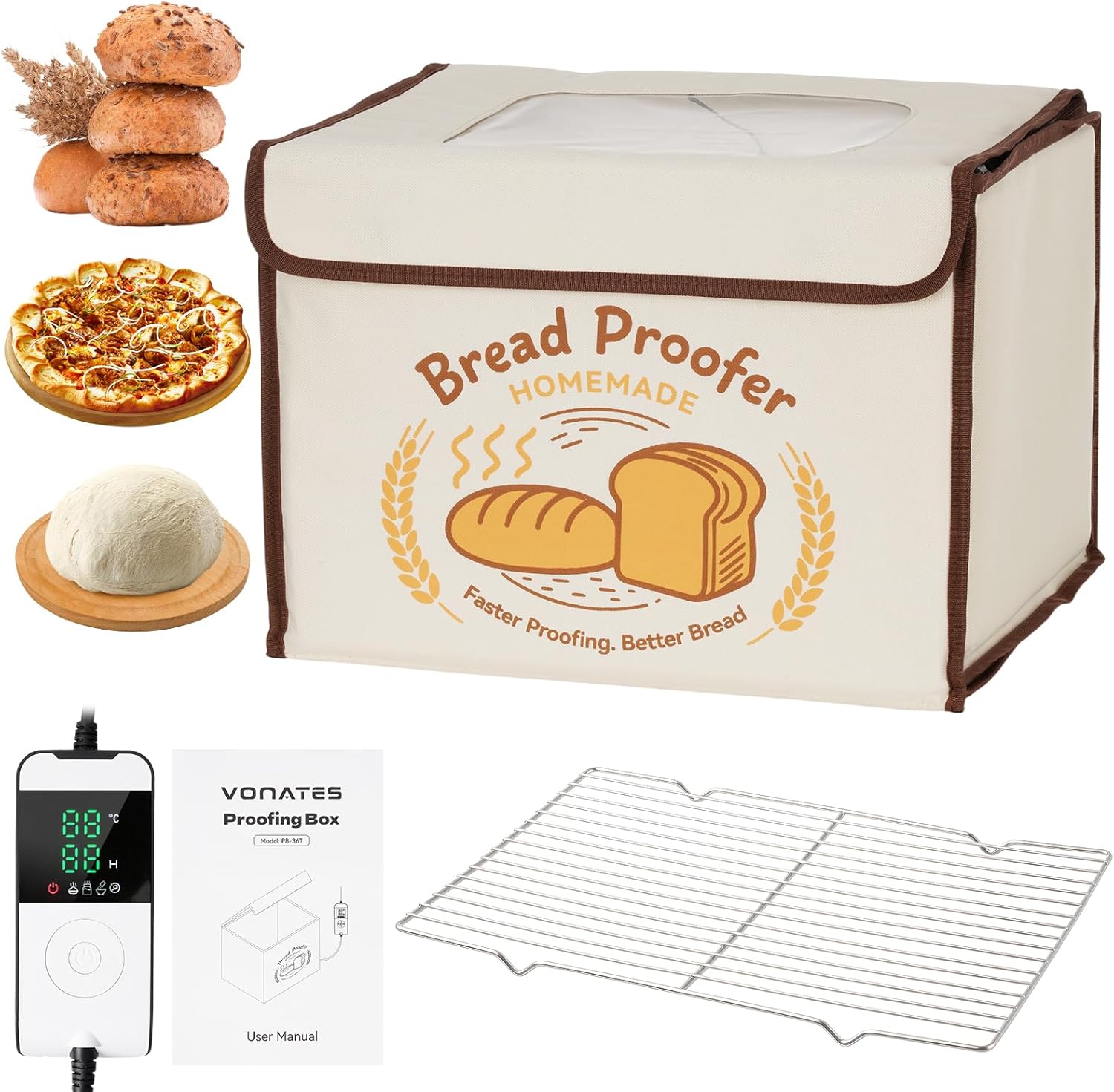
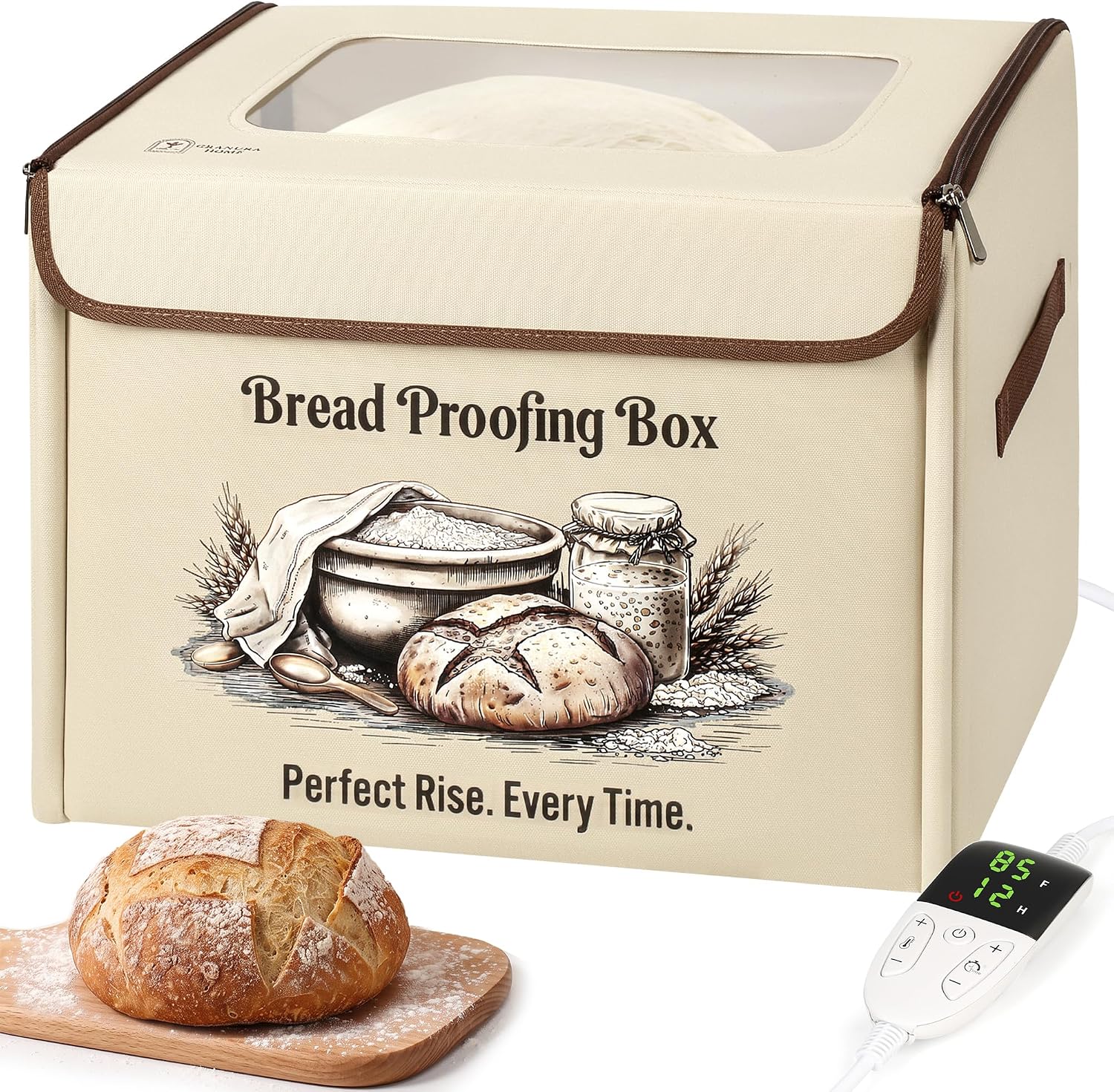
Ambient room temperatures vary wildly across seasons, often stalling sourdough fermentation and ruining predictable baking schedules. Electric proofer boxes with adjustable thermostats eliminate this variable by maintaining steady warmth regardless of household conditions. Look for units that offer precise degree-by-degree adjustments so you can dial in the exact thermal environment your specific starter or dough formula requires.
Evaluate the maximum and minimum temperature boundaries to ensure the appliance supports your broader culinary projects. While standard bread proofing usually requires moderate warmth, higher thresholds accommodate yogurt incubation or delicate chocolate softening. Reliable heating elements distributed across multiple sides prevent hot spots and ensure your dough rises evenly throughout the entire bulk fermentation window.
Material Composition and Durability
The materials used in your proofing gear dictate long-term maintenance ease and resistance to sticky dough residue. Translucent polypropylene containers offer smooth interior surfaces where high-hydration dough releases effortlessly without leaving stubborn films behind. Selecting BPA-free plastics ensures food safety while providing durable walls that withstand frequent washing, daily handling, and repeated exposure to refrigerator chill.
For insulated folding proofer boxes, exterior fabrics like heavy-duty Oxford cloth combine structural flexibility with moisture resistance. Smooth waterproof inner linings allow you to wipe away accidental spills instantly without staining the fabric layers. Balancing sturdy internal support boards with wipeable surfaces ensures your investment survives hundreds of baking cycles without degrading or losing its structural shape.
Humidity and Moisture Management
Maintaining proper humidity prevents dough surfaces from forming a dry, leathery skin during long fermentation periods. Tightly sealed container lids naturally trap evaporating moisture, keeping your sourdough soft and pliable throughout the bulk rise. When using heated proofer boxes, integrated water trays introduce gentle ambient humidity to replicate professional proofing environments without requiring messy plastic wrap or damp towels.
Monitoring internal moisture levels helps you fine-tune crumb development and crust characteristics on every bake. Some advanced proofer setups include dedicated hygrometers or humidity gauges that give you instant visibility into chamber conditions. Assessing how a product manages internal moisture ensures your dough retains optimal hydration from the initial stretch and fold sequence all the way to final shaping.
Storage Flexibility and Footprint
Kitchen cabinet space is a premium resource for home bakers, making storage design a critical purchasing factor. Rigid mixing bowls and bulky appliances demand permanent shelf space, whereas collapsible folding proofing boxes flatten down to slim profiles that slide easily into narrow drawers. Evaluating how compactly a unit stores when not in use prevents kitchen clutter.
Stackable containers offer another excellent way to optimize vertical space inside refrigerators and crowded pantries. Being able to nest or stack multiple proofing vessels allows you to manage simultaneous batches without overwhelming your kitchen counters. Prioritizing modular designs ensures your baking gear adapts smoothly to both active preparation days and quiet storage periods between weekend bakes.
Accessory Inclusion and Versatility
All-in-one baking kits bundle essential tools like stainless steel racks, dough cutters, whisks, and scoring blades alongside the core proofing vessel. These bundled packages save you time and money compared to sourcing individual accessories separately from multiple vendors. Checking what is included in the box helps you determine if the package meets your immediate baking workflow needs.
Versatility extends beyond bread making when your equipment accommodates secondary tasks like culturing yogurt, fermenting kombucha, or softening butter. Selecting multi-functional boxes or adaptable containers transforms a single purchase into a versatile kitchen workstation. Reviewing the broader capability of your baking gear ensures you get maximum utility across various culinary projects throughout the year.
Frequently asked questions
Why is the stretch and fold technique important for sourdough bread?
The stretch and fold technique builds gluten strength in high-hydration sourdough dough without requiring traditional, vigorous kneading on a floured countertop. By gently lifting and folding the dough over itself at regular intervals during bulk fermentation, you align the protein strands, trap air bubbles, and improve overall loaf structure. This method handles wet doughs cleanly, prevents dense crumb textures, and promotes superior oven spring when the shaped loaf finally bakes in a hot oven.
Do I need a heated proofing box for sourdough, or can I just use room temperature?
You do not strictly need a heated proofing box if your kitchen naturally stays within an optimal temperature range for yeast and sourdough fermentation, typically between seventy-five and eighty degrees Fahrenheit. However, ambient temperatures fluctuate wildly across seasons, often stalling a rise in cold winter kitchens or causing over-fermentation in hot summer spaces. A heated proofer box eliminates these environmental variables, letting you control exact temperatures and stick to precise baking schedules year-round.
How do translucent containers help during the bulk fermentation stage?
Translucent containers feature clear walls and printed volume markings that let you monitor your dough's expansion visually without opening the lid. Opening the lid repeatedly releases accumulated heat and humidity, which can disturb the rising process and dry out the dough surface. By letting you track percentage growth and bubble formation from the outside, these containers remove guesswork and help you catch the exact moment bulk fermentation is complete.
Can folding proofing boxes be stored easily in small kitchens?
Yes, folding proofing boxes are specifically engineered with collapsible multi-layer structures and zipper closures that allow them to flatten down into slim profiles, often under two inches thick. This space-saving design lets you slide the folded unit directly into narrow kitchen cabinets, drawers, or beside pantry shelves when baking season slows down. They offer the large interior volume of a professional proofing cabinet during use while occupying minimal storage space afterward.
What other foods can I prepare using a temperature-controlled proofing box?
Temperature-controlled proofing boxes offer exceptional versatility beyond bread making by supporting various cultured and fermented foods that require steady warmth. You can use them to incubate homemade yogurt or kefir, ferment kombucha, brew vinegar, soften cold butter, or melt chocolate safely without scorching. Some bakers even use the stable low-temperature environment to sprout seeds or cultivate tempeh and natto, turning a single appliance into a multi-purpose kitchen fermentation station.