Appliances · Buying Guide
Best Sourdough Whole Wheat Pizza Dough Ingredients for Rustic Baking
Crafting homemade sourdough whole wheat pizza dough starts with carefully selecting the right combination of stone-ground flours and active fermentation cultures. Whether you prefer a robust, nutty flavor profile or a traditional San Francisco style tang, gathering quality ingredients transforms a simple kitchen project into an authentic artisan baking experience at home.
The options detailed below range from large bulk unbleached whole wheat flours to complete starter kits equipped with mason jars and elastic feeding bands. By understanding the specific characteristics of each flour and culture, you can easily select the ideal components to build your next delicious pizza crust completely from scratch every week.
As an Amazon Associate, StacyLaughs earns from qualifying purchases.
Buying guide
Choosing Whole Wheat Flour Types
Selecting the correct whole wheat flour forms the foundation of any successful rustic sourdough pizza crust. Stone-ground varieties retain more of the grain's natural germ and bran, offering a noticeably deeper flavor profile and higher nutritional density. Paying attention to how the grain is milled helps you achieve the exact texture and rise you want for your homemade flatbreads and artisanal creations.
When evaluating available options, consider whether you prefer unbleached standard grinds or certified organic dark northern spring wheat. Matching the specific grain type to your preferred fermentation style ensures your dough develops proper structural integrity, elasticity, and a rich, nutty finish during high-heat baking. Proper flour selection ultimately dictates the overall success of your baking routine.
Understanding Sourdough Starter Cultures
Sourdough starters introduce wild yeasts and beneficial bacteria necessary for natural dough leavening without commercial packets. You can choose between dehydrated cultures that require careful initial activation or versatile multi-style bundles offering distinct regional flavor profiles. Understanding these microbial cultures helps you control the exact fermentation speed and gas production inside your mixing bowl.
Experimenting with different starter varieties, such as rye, whole wheat, or San Francisco strains, allows you to customize the tang and complexity of your pizza dough. Proper selection depends heavily on how much time you wish to invest in daily feeding routines and ongoing maintenance. Balancing starter activity ensures consistent results across all your baking projects.
Managing Starter Maintenance and Feeding
Maintaining a healthy sourdough starter requires regular flour and water feedings to keep the wild yeast active and robust. Establishing a consistent maintenance schedule prevents the culture from becoming overly acidic, dormant, or sluggish over extended periods of storage. Regular attention guarantees that your yeast populations remain strong enough to lift heavy whole wheat dough effectively.
Using helpful tools like elastic feeding bands and secure mason jars makes tracking your starter growth and peak activity straightforward and visually intuitive. Consistent maintenance directly translates to better oven spring, improved flavor complexity, and more reliable dough fermentation for your weekly homemade pizza nights. Proper upkeep remains the absolute cornerstone of successful sourdough baking.
Evaluating Package Sizes and Storage
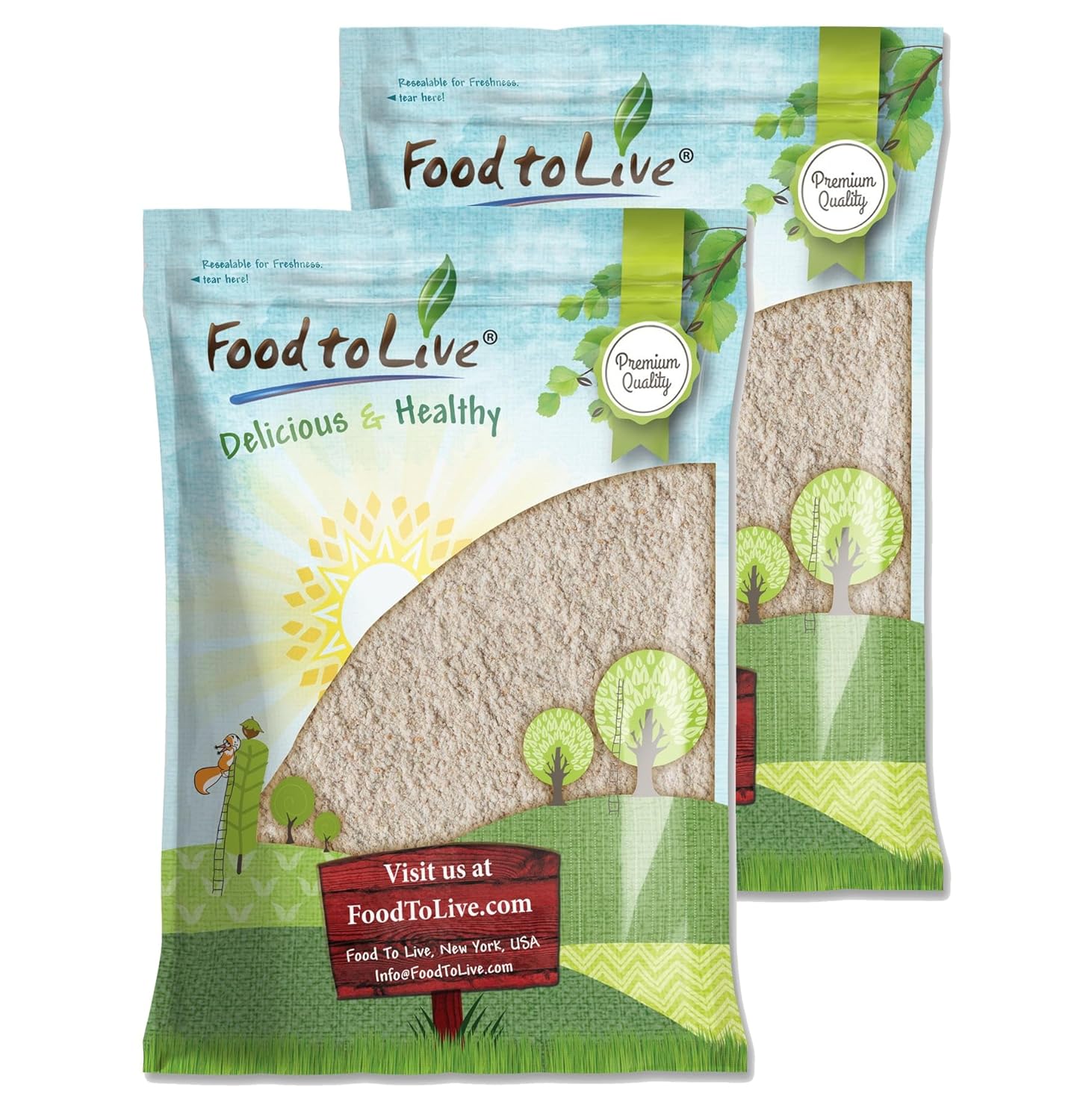
Buying baking supplies in bulk, such as large twenty-pound flour sacks, offers long-term economic value and ensures you rarely run out mid-recipe during heavy cooking sessions. However, heavy packages demand a substantial pantry footprint and careful moisture control to preserve overall freshness over time. Weighing your storage capacity against your consumption rate prevents kitchen clutter and spoiled ingredients.
Smaller packages or multi-packs provide better rotation flexibility for modern kitchens with limited cabinet space. Assess your available storage area against your regular baking frequency to determine whether bulk sacks or compact bags fit your household cooking habits. Choosing the right volume keeps your ingredients fresh, aromatic, and readily accessible for every spontaneous baking session.
Achieving Optimal Dough Hydration
Whole wheat flour absorbs significantly more water than refined white flour due to its fibrous bran content and coarse particle structure. Adjusting your liquid ratios during mixing is vital to prevent dense, heavy pizza crusts that fail to rise properly. Understanding this absorption rate helps you achieve a tender yet sturdy crumb inside your finished crust.
Gradually incorporating water during the initial mixing phase allows the whole grain particles to hydrate fully without creating an unmanageable sticky mess. Monitoring dough texture closely ensures a smooth, extensible dough ball that stretches evenly on your peel and bakes into a crisp pie. Proper hydration transforms rustic whole grains into gourmet pizza crusts.
Fermentation and Flavor Development
Sourdough fermentation relies on extended time rather than fast commercial yeast to build complex, sour flavor notes in dense whole wheat dough. Letting your dough ferment slowly, often in the refrigerator overnight, develops superior taste depth and inner crumb structure. This extended resting window gives wild bacteria ample time to break down starches and enhance overall bread quality.
Observing how ambient room temperature and active starter cultures influence your bulk fermentation helps you time your baking schedule perfectly. Patience during this resting and proofing phase unlocks the signature artisanal characteristics of homemade sourdough pizza crust. Proper fermentation management turns basic kitchen ingredients into a professional-grade rustic masterpiece.
Frequently asked questions
Can I use whole wheat flour exclusively for sourdough pizza dough?
Yes, you can use whole wheat flour exclusively for sourdough pizza dough, but keep in mind that its higher fiber content and coarse bran particles create a heavier, denser crust compared to refined white flour. To achieve a lighter texture while retaining the rich, nutty flavor of whole grains, many bakers choose to blend whole wheat flour with all-purpose flour. Additionally, whole wheat flour absorbs significantly more water, so you may need to increase your liquid hydration slightly during the mixing stage to ensure a smooth, workable dough.
How do I maintain a sourdough starter for regular pizza baking?
Maintaining a sourdough starter for regular pizza baking involves feeding your culture a consistent ratio of fresh flour and water on a regular schedule, depending on whether you store it at room temperature or in the refrigerator. Discard a portion of the starter before each feeding to prevent overgrowth, then stir in fresh ingredients and let the mixture bubble until active. Utilizing jars with measurement bands helps you easily monitor when the starter reaches its peak activity, ensuring your yeast is strong enough to leaven your pizza dough.
Why is my whole wheat sourdough pizza dough so dense?
Whole wheat sourdough pizza dough often turns out dense because the bran and germ particles in whole grain flour weigh down the gluten network, and whole wheat absorbs moisture much faster than white flour. If you do not add enough water or allow sufficient fermentation time for the wild yeasts to condition the dough, the crust will lack a proper rise. Giving your dough an extended cold fermentation in the refrigerator and ensuring accurate hydration ratios can significantly improve the texture and lightness of your baked pizza crust.
What is the benefit of using an heirloom sourdough starter?
An heirloom sourdough starter offers the distinct advantage of being reusable indefinitely with proper, ongoing care and regular feedings, allowing you to maintain a continuous baking culture for years. These traditional starters bring authentic regional flavor profiles, such as classic San Francisco tang or robust whole grain complexity, directly to your homemade breads and pizza crusts. Because they rely on established wild yeast and bacteria strains rather than commercial packets, they provide reliable, predictable fermentation performance for all your artisan baking projects.
How should I store bulk whole wheat flour at home?
Storing bulk whole wheat flour at home requires keeping the product in a cool, dry location protected from moisture, pests, and extreme temperature fluctuations to preserve its natural oils and nutritional value. Because stone-ground whole grains contain the entire wheat kernel, including the germ, they are more perishable than refined white flours and can degrade if left in humid pantries. Transferring portions of your bulk flour into airtight containers or keeping the primary sack sealed tightly ensures your ingredients stay fresh and ready for your next pizza dough batch.