Appliances · Buying Guide
Best Square Bread Loaf Pans for Perfect Pullman Breads
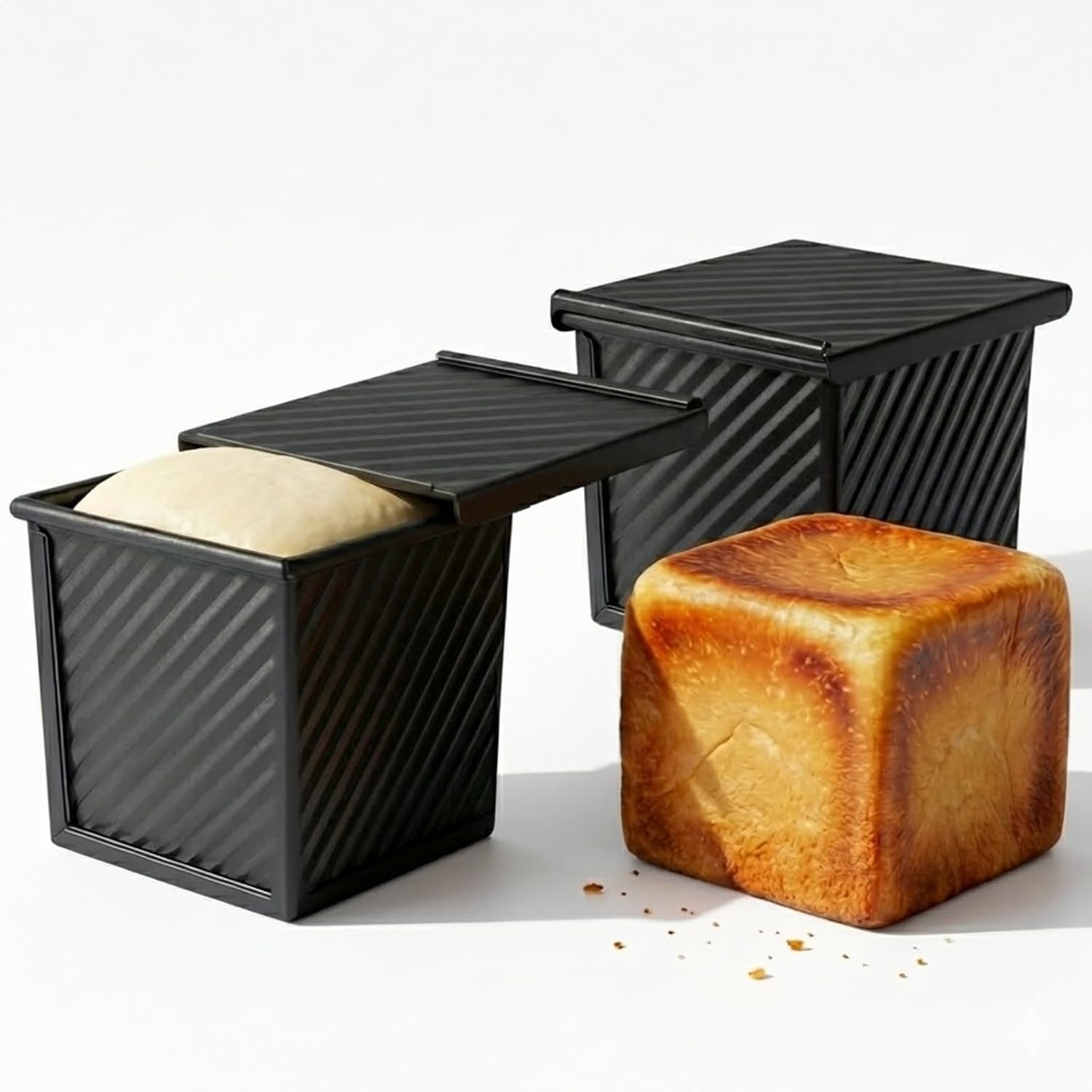
Baking square sandwich bread at home requires specific bakeware designed to achieve sharp corners and an even interior crumb structure. A square bread loaf pan equipped with a sliding lid transforms standard yeast dough into professional-looking pullman loaves, Japanese shokupan, and uniform sandwich slices for daily meal prep and creative weekend baking projects.
These specialized baking vessels appear in multiple dimensions, spanning from compact single-serve cube molds to large family-sized pans. Choosing the right design depends heavily on your typical batch size, oven capacity, and desired loaf height. Analyzing material durability, non-stick surface coatings, and lid configurations guides your final purchasing decision for successful homemade bread.
As an Amazon Associate, StacyLaughs earns from qualifying purchases.
Buying guide
Material Composition
Selecting the right square bread loaf pan begins with understanding material options like carbon steel and heavy-gauge aluminized steel. Heavy-gauge carbon steel provides excellent heat conduction, helping your yeast dough bake evenly and develop a rich golden crust. Aluminized steel offers exceptional structural durability and warp resistance, frequently featuring specialized non-stick coatings for smooth food release.
Each metal type handles heat differently during extended baking cycles inside domestic kitchen ovens. Carbon steel pans typically require careful manual hand washing and thorough drying to prevent unwanted rust. Aluminized steel options frequently provide robust commercial-grade performance for frequent bread bakers. Evaluating your cleaning habits and baking frequency helps determine which specific material suits your routine.
Dough Capacity and Sizing
Understanding dough capacity ensures your square loaf pan matches your specific recipe requirements. Small mini pans hold around 0.55 pounds of dough, yielding single-serve cubes or test loaves. Standard options accommodate one-pound dough batches, making them ideal for everyday sandwich bread. Extra-long pans handle up to 2.2 pounds, supporting large household meal prep and weekly sandwich loaf baking projects.
Matching pan dimensions to your typical baking volume prevents overflowing dough or underfilled molds during rising. Measure your oven interior before purchasing larger thirteen-inch pans to guarantee proper spatial clearance. Consider whether you are baking for a single person or an entire family when selecting your ideal loaf capacity for daily use.
Lid Functionality and Shape
The sliding lid is the defining feature of a pullman loaf pan, shaping traditional square bread with flat tops. Using the lid traps moisture and steam inside the vessel, forcing the rising yeast dough to fill every corner evenly. You can also remove the cover entirely to bake traditional rounded-top loaves or rustic dome breads.
This dual functionality gives home bakers creative freedom over their final loaf appearance and texture. Sliding lids should move smoothly along the designated tracks without binding during high-temperature thermal expansion. Evaluating how easily the lid attaches and detaches improves your overall baking experience when switching between square and rounded styles.
Non-Stick Coatings and Release
A reliable non-stick coating allows baked bread to slide out cleanly without tearing the delicate golden crust. Many modern pans feature food-grade silicone-based or PTFE-free coatings designed to handle high oven temperatures safely during baking. These treated surfaces simplify post-baking cleanup by significantly reducing stubborn residue buildup on the interior metal walls.
Proper maintenance extends the functional lifespan of these specialized non-stick coatings over years of regular use. Avoid using abrasive steel wool or harsh metal scrubbers that can scratch the protective layer. Applying a light layer of oil or butter before baking further enhances release performance, ensuring your square loaves maintain their pristine appearance every single time.
Heat Distribution and Vents
Bottom ventilation holes are integrated into certain pullman pan designs to improve internal airflow and heat distribution. This improved airflow helps the dough bake more evenly throughout the center, resulting in a rich texture. However, vented pans require parchment paper liners when you are baking liquid batter recipes to prevent messy countertop leaks.
Wave-patterned or corrugated exterior surface designs also contribute significantly to structural rigidity and improved heat transfer. These textures prevent warping at high oven temperatures while promoting uniform baking results across the entire loaf. Consider your typical recipes when deciding whether vented or solid-bottom pans best fit your daily kitchen baking goals.
Care and Maintenance
Proper cleaning and maintenance keep your square bread loaf pan in optimal working condition for years of service. Most carbon steel and aluminized steel pans require manual hand washing with warm soapy water and soft sponges. Always dry your metal pans thoroughly in a warm oven after washing to eliminate lingering moisture and prevent rust formation.
While select models offer dishwasher safety, strictly following manufacturer guidelines protects delicate non-stick coatings from premature wear and tear. Avoid harsh steel wool pads that can scratch treated metal surfaces. Storing your pans in a dry cabinet with lids properly seated ensures they remain ready for your next homemade baking session.
Frequently asked questions
Why use a square bread loaf pan with a lid?
A square bread loaf pan with a sliding lid is specifically designed to bake traditional pullman loaves, shokupan, and sandwich bread with flat tops and sharp 90-degree corners. When you slide the cover into place, it traps steam and expanding gases inside the baking cavity. This forces the rising yeast dough to fill every upper corner evenly, resulting in uniform square slices. Without the lid, the dough rises freely into a standard rounded dome shape.
Do vented bottom pullman pans leak liquid batter?
Yes, pullman pans featuring bottom ventilation holes can allow liquid batter to seep through during the baking process. These vent holes are intentionally designed to improve airflow and heat distribution for yeast doughs, but they are not sealed against fluid mixtures. If you plan to bake cakes, quick breads, or other batter-based recipes in a vented pan, you must line the interior with parchment paper to prevent messy leaks in your oven.
How should I clean and dry my carbon steel loaf pan?
Carbon steel loaf pans generally require manual hand washing using warm water, mild dish soap, and a soft sponge or cloth. You should always avoid abrasive steel wool or harsh scrubbers that can damage the non-stick coating. After washing, manufacturer guidelines often recommend placing the damp pan back into a warm oven for a few minutes. This ensures that all moisture trapped in the corners evaporates completely, protecting the metal from rust.
What size dough capacity do I need for my household?
Selecting the right dough capacity depends entirely on your household size and baking frequency. Compact mini pans hold around 0.55 pounds of dough, making them ideal for single-serve portions, test recipes, or small households. Standard one-pound capacity pans suit everyday sandwich bread for couples or small families. Extra-long pans holding up to 2.2 pounds of dough provide enough volume for large household meal preparation, weekly batch baking, and sizable sandwich loaves.
Can I bake without the sliding lid on a pullman pan?
Yes, you can easily bake without using the sliding lid on a pullman loaf pan whenever you prefer a traditional appearance. Removing the cover allows the rising dough to expand upward into the open air, creating a classic golden-brown rounded dome top instead of a square shape. This dual-purpose flexibility lets you use the same versatile baking pan for both sleek sandwich slices and rustic hearth-style loaves depending on your recipe preference.