Appliances · Buying Guide
Best Stainless Steel Dough Roller Options for Home Baking
Selecting the right kitchen tool for preparing pastry, pizza, and bread dough involves looking closely at physical dimensions, materials, and handling styles. Stainless steel options provide durable, nonporous surfaces that resist absorbing food flavors or odors, making them practical choices for frequent bakers who routinely handle sticky ingredients on kitchen countertops during everyday meal preparation.
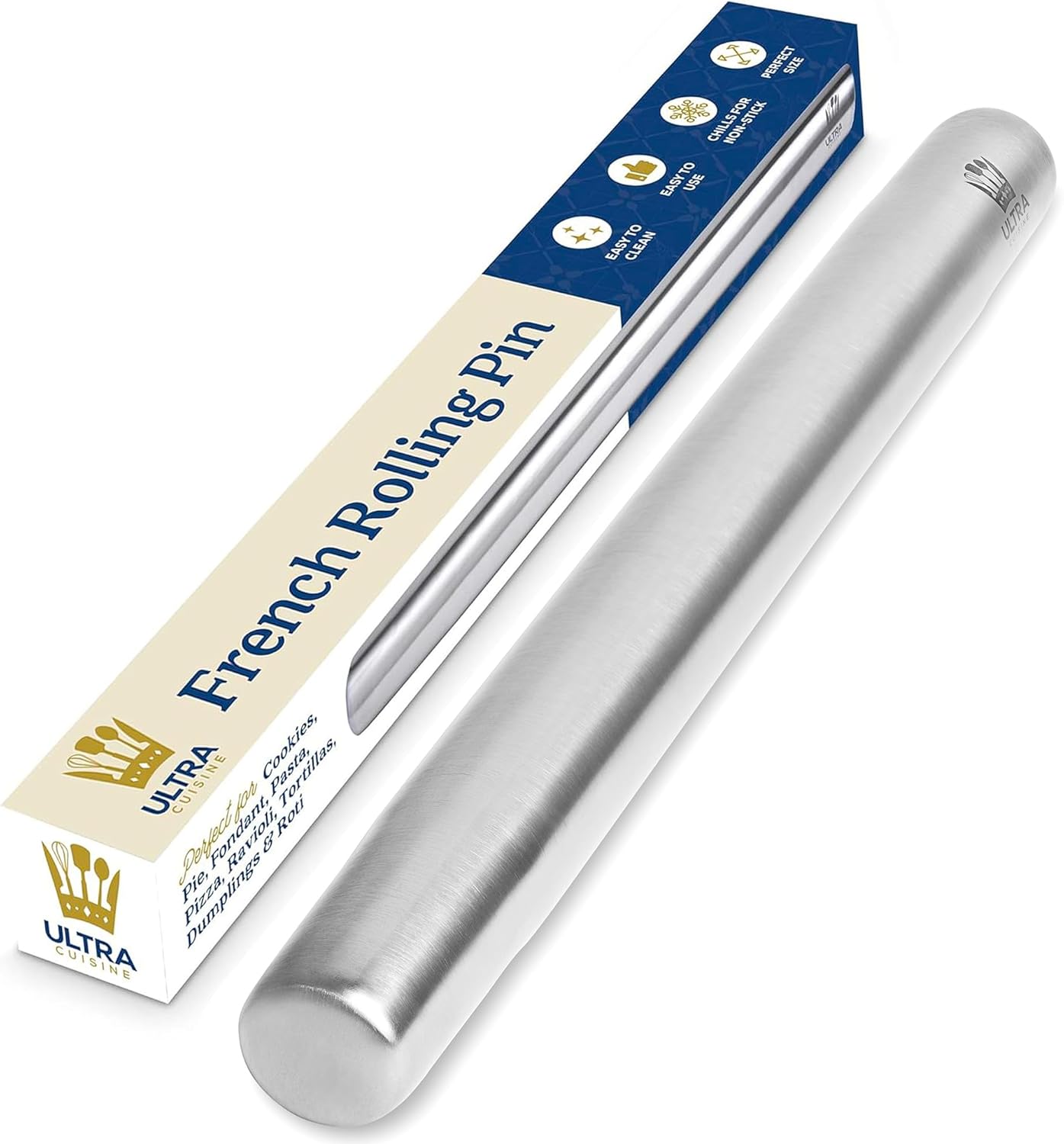
Different designs cater to specific techniques, ranging from traditional handle-free French tapers to compact T-shaped rollers and adjustable models featuring removable thickness rings. Understanding these structural differences helps home cooks match a specific baking roller to their daily recipes, counter space limits, and personal comfort preferences without guesswork while working through various baking projects.
As an Amazon Associate, StacyLaughs earns from qualifying purchases.
Buying guide
Material Composition and Hygiene
Choosing a kitchen tool crafted from stainless steel offers distinct advantages for home baking enthusiasts working with various dough types. Unlike porous wood alternatives, metal surfaces do not absorb food odors, excess moisture, or deep colors from colored fondants and spiced doughs. This nonporous nature helps maintain clean food preparation conditions across multiple baking sessions without lingering residue.
Additionally, metal barrels withstand routine cleaning routines without cracking, warping, or splintering over extended periods of frequent use. Whether wiped down quickly, washed by hand with warm water, or placed directly in an automated dishwasher, stainless steel maintains its smooth exterior finish. This reliable durability ensures dependable performance for everyday pastry preparation tasks in busy home kitchens.
Temperature Control for Pastry
Managing dough temperature remains a vital factor when preparing flaky pie crusts, delicate tarts, and buttery pastries. Several stainless steel rolling pins feature freezable designs that allow bakers to chill the metal barrel prior to rolling. This low-temperature capability prevents butter within the dough from melting prematurely, keeping layers distinct and easy to handle during shaping.
Metal naturally conducts thermal energy efficiently compared to traditional materials. When cooled in a refrigerator or freezer, the chilled surface maintains its low temperature throughout active rolling. This built-in thermal benefit assists bakers working in warm kitchens or handling delicate recipes where keeping ingredients firm prevents sticking and tearing on countertops.
Thickness Control and Ring Systems
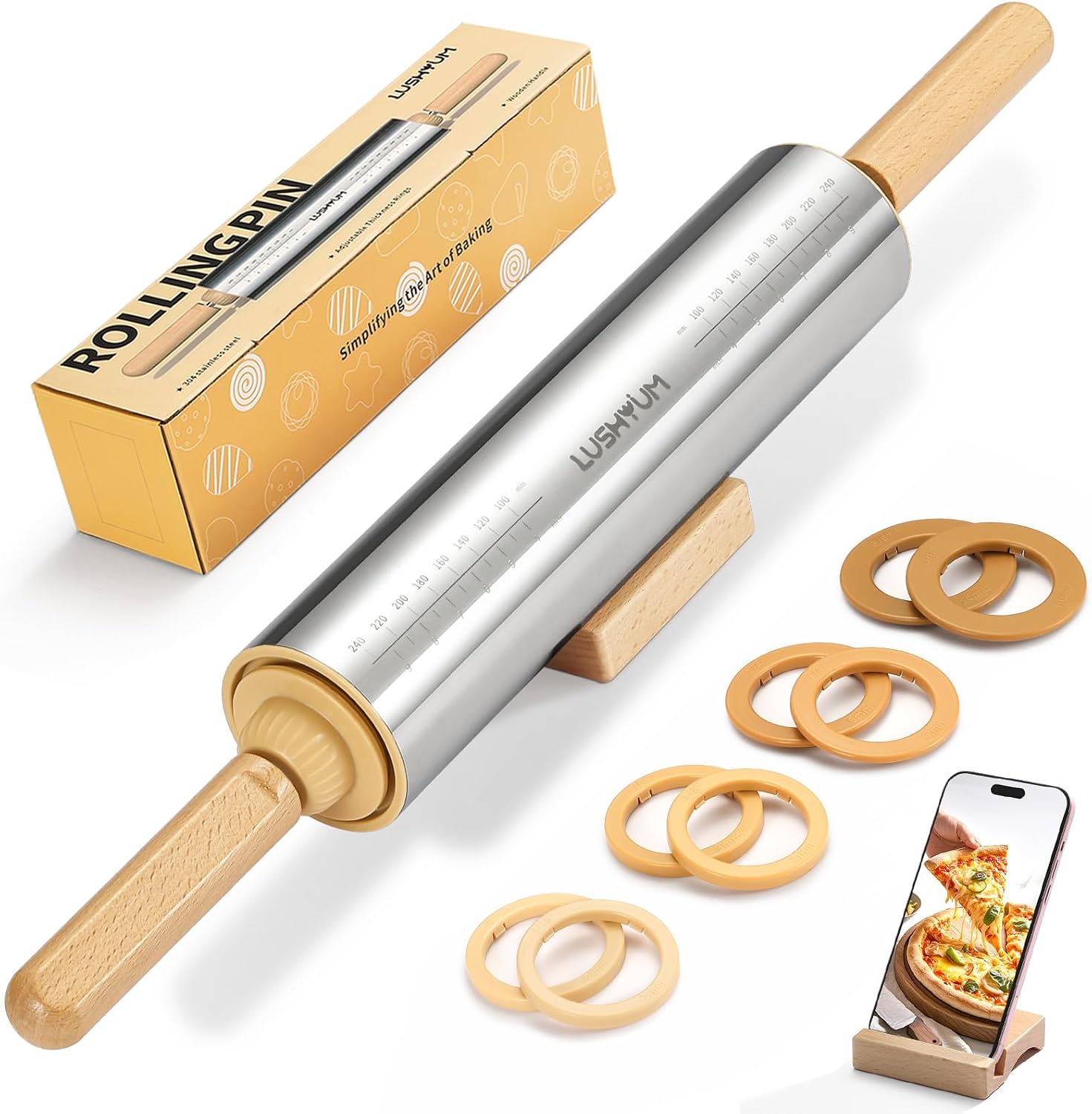
Achieving uniform thickness across cookies, pizza crusts, and pasta sheets requires careful measurement control during preparation. Adjustable rolling pins featuring removable thickness rings take the guesswork out of baking by maintaining a consistent gap above the counter. These rings typically offer millimeter options ranging from thin pastry sheets up to thicker bread doughs.
Utilizing interchangeable ring sets allows novice and experienced bakers alike to produce professional results without constantly checking hand pressure. While managing multiple ring components requires extra storage consideration in kitchen drawers, the resulting consistency proves valuable for recipes requiring precise baking times. Bakers can simply swap ring sizes to transition between cookies and pie crusts seamlessly.
Weight and Downward Leverage
The physical weight of a baking roller directly impacts how much manual effort is required to flatten dense, stiff doughs. Heavy-duty metal rollers utilize their substantial mass, sometimes weighing up to four pounds, to press dough flat with minimal downward arm pressure. This gravity-assisted rolling reduces physical strain when processing large batches of heavy bread or pasta dough.
Conversely, lightweight rollers weighing under one pound offer greater agility and finer tactile control for delicate tasks. Bakers who prefer traditional French tapers often favor lighter designs to adjust pressure dynamically across different sections of pastry. Choosing between heavy and lightweight options depends largely on personal strength, recipe demands, and comfort preferences.
Design Styles and Handling Preferences
Rolling pin construction generally falls into distinct structural categories, including handle-free French tapers, T-shaped rollers, and traditional cylinders with rotating handles. Handle-free French designs give bakers direct tactile feedback and precise control over rolling angles. T-shaped rollers provide narrow, focused coverage suited for small baking projects like mini tarts and personal pizzas.
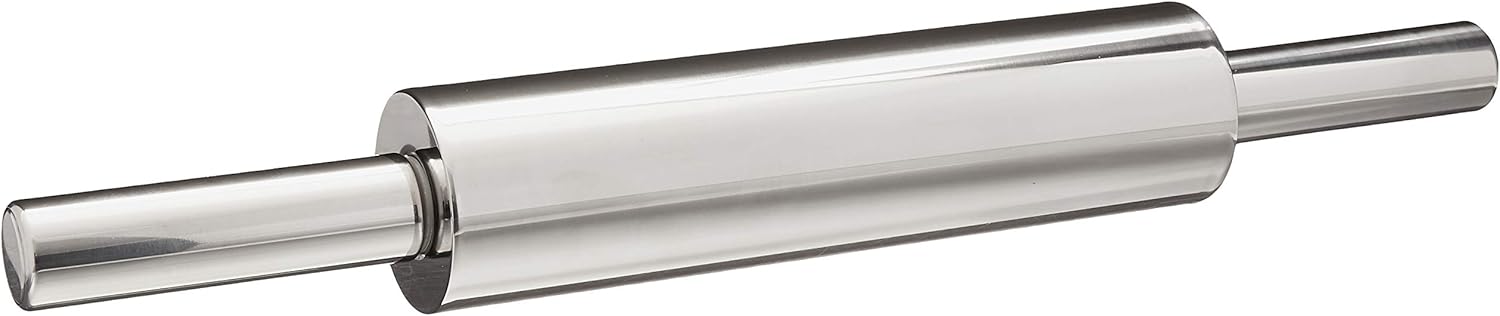
Traditional rotating handles with internal bearings offer a comfortable grip while keeping hands stationary during rolling motions. Each design style suits different kitchen workspaces and personal preferences. Evaluating your preferred rolling motion helps identify which structural layout will feel most natural during everyday baking and pastry preparation routines.
Storage and Maintenance Practicalities
Maintaining baking tools properly ensures long-term usability and keeps kitchen workspaces organized. Stainless steel rolling pins generally resist corrosion and wipe clean easily with damp cloths or warm soapy water. Certain advanced adjustable models feature hollow barrels that allow removable wooden handles to be stored internally, saving valuable drawer space.
Evaluating storage requirements prevents clutter in crowded kitchen cabinets. Models that include dedicated display stands or multi-purpose phone holders offer convenient countertop placement while keeping tools secure between baking passes. Reviewing cleaning instructions and storage features helps select a baking accessory that fits seamlessly into your kitchen's daily organization routine.
Frequently asked questions
Can stainless steel rolling pins really be placed in the freezer?
Yes, many stainless steel rolling pins are designed to be placed safely in a freezer prior to use. Metal conducts temperature efficiently, allowing the chilled barrel to stay cold while rolling out temperature-sensitive pastry or pie dough. This cooling process helps prevent butter within pastry layers from melting prematurely, keeping your dough firm, manageable, and easy to shape. Always check specific product guidelines regarding chilling methods to ensure proper maintenance and safe handling before putting your baking tool into the freezer.
Are adjustable thickness rings difficult to use when baking?
Adjustable thickness rings are generally straightforward to attach and remove from compatible rolling pins, though they do add a minor preparation step to your baking routine. These removable rings snap onto both ends of the metal barrel to maintain exact spacing, helping you roll out uniform dough thicknesses for cookies, noodles, and pie crusts. While managing multiple ring sizes requires organized storage space in your kitchen drawers, they eliminate guesswork and help ensure consistent results across various recipes without requiring advanced culinary skills.
Do stainless steel dough rollers prevent sticking better than wooden pins?
Stainless steel rollers feature smooth, nonporous surfaces that naturally resist absorbing moisture and help minimize flour adherence during rolling sessions. When the metal barrel is properly chilled or lightly dusted with flour, dough slides smoothly across the polished exterior without sticking. However, extremely sticky or warm dough can still adhere to metal surfaces, which is why chilling the pin or using appropriate amounts of flour remains beneficial practice for achieving smooth pastry rolling results across different kitchen environments.
What is the main benefit of a handle-free French rolling pin?
A handle-free French rolling pin offers enhanced tactile feedback and superior control over dough thickness and rolling angles. Without fixed side handles blocking your hands, you can apply direct downward pressure and easily pivot the tapered barrel across pastry in any direction. This design is particularly favored by bakers who enjoy traditional rolling techniques, allowing for dynamic adjustments when shaping delicate tarts, pie crusts, and delicate pastry doughs on standard kitchen countertops.
How should I clean and store a stainless steel rolling pin?
Cleaning stainless steel rolling pins is typically simple due to the corrosion-resistant, nonporous metal surface that resists absorbing food odors and residues. Many models can be wiped clean with a damp cloth or washed by hand with warm, soapy water, while certain versions are also dishwasher safe. For storage, models with hollow barrels often allow removable wooden handles to be tucked neatly inside, while others include dedicated stands that keep the rolling pin secure and organized on your countertop.