Appliances · Buying Guide
Best Stainless Steel Pie Pans for Even Baking and Durability
Baking a traditional pie requires reliable bakeware that conducts heat evenly to prevent burnt crusts and undercooked fillings. Stainless steel pie pans offer a sturdy, non-reactive surface suitable for everything from sweet fruit desserts to savory pot pies. Unlike aluminum, these metal pans resist tarnishing and provide long-lasting durability for daily kitchen tasks.
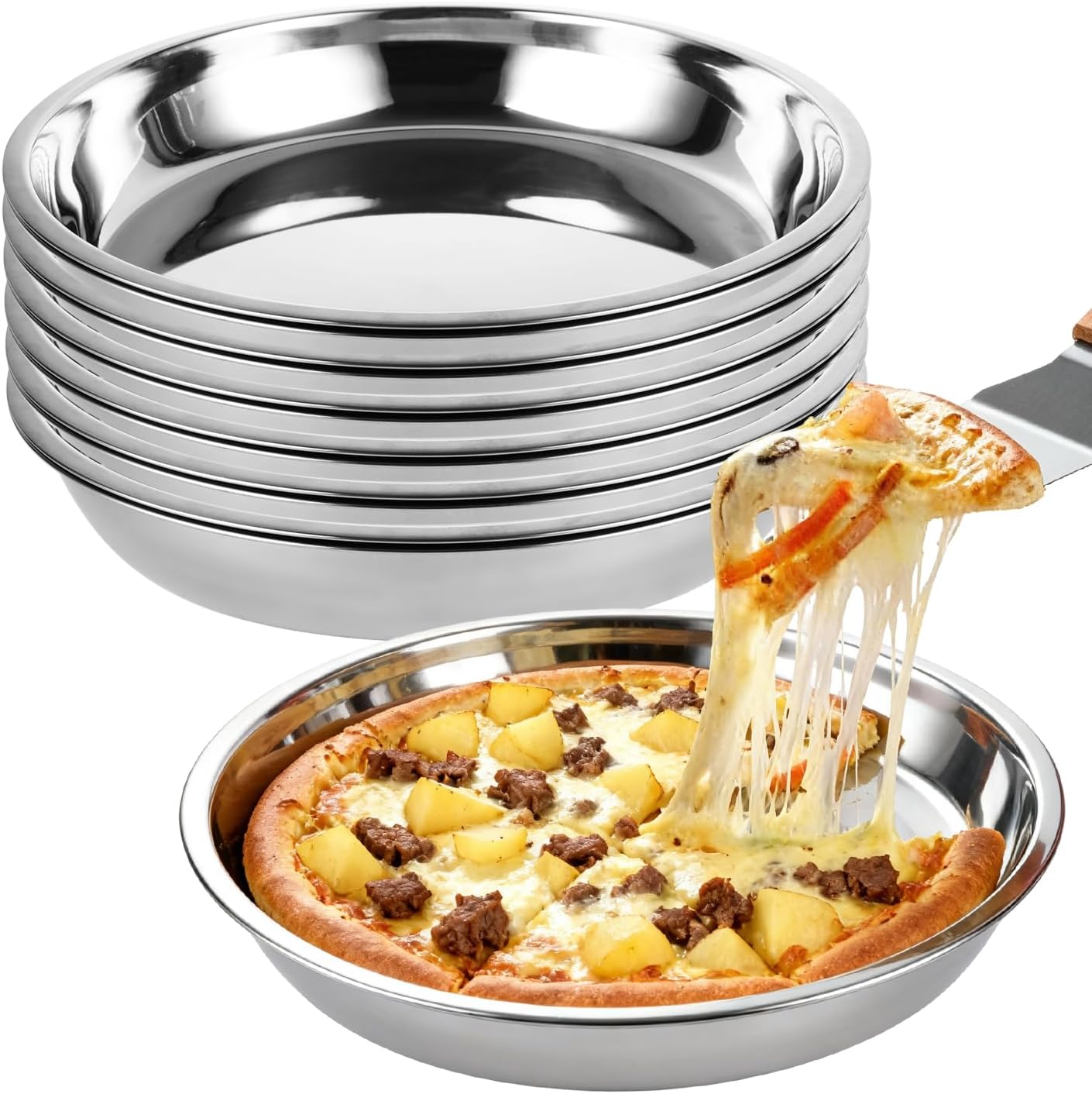
Choosing the right stainless steel pie pan involves considering dimensions, depth, and pack configurations to match your baking habits. Options range from standard single pans with high-polished mirror finishes to multi-pack sets designed for larger family dinners or meal preparation. Reviewing the available designs helps you select a reliable baking tool for your favorite recipes.
As an Amazon Associate, StacyLaughs earns from qualifying purchases.
Buying guide
Material Composition and Durability
Selecting the right metal bakeware begins with understanding material composition. Stainless steel provides a sturdy, long-lasting alternative to aluminum because it resists tarnishing and maintains a sleek appearance over years of frequent baking. High-quality construction prevents warping under high oven temperatures, ensuring your pans remain flat and reliable for every recipe you attempt in your home kitchen.
Thickened metal walls add extra stability and distribute heat evenly across the entire base. This attribute prevents annoying hot spots that typically cause unevenly baked crusts or burnt edges. Investing in durable stainless steel ensures consistent performance whether you are preparing sweet fruit desserts, savory pot pies, or roasted vegetable dishes for family dinners.
Sizing and Capacity Considerations
Pie pans come in various diameters and depths to accommodate different recipe requirements. Standard nine-inch models fit traditional homemade pie dough and standard filling quantities seamlessly. Choosing larger eleven-inch pans or deeper 1.5-inch profiles allows you to bake generous portions for family gatherings without worrying about overflowing ingredients during the active baking process.
Matching the pan size to your specific oven and storage capacity is equally important. Wider pans require more shelf space in kitchen cabinets, while smaller multi-pack trays might demand adjustments to baking times for larger batches. Evaluating your typical household serving needs helps determine the ideal dimensions for your daily kitchen routine and future culinary projects.
Surface Finishes and Food Release
The interior surface finish plays a crucial role in how easily your baked goods release from the metal. High-polished mirror finishes create a smooth barrier that discourages crusts from sticking, allowing pies to slide out neatly for presentation. Non-stick coatings on certain stainless steel trays further simplify food release and reduce the need for excessive oil.
Non-reactive materials also ensure that acidic ingredients like lemons, berries, or tomatoes do not alter the taste of your fillings. Maintaining a smooth, polished surface requires proper care, but it pays off with clean slices and attractive serving capabilities. You can transition these pans straight from the oven to the dining table with confidence.
Cleaning and Maintenance Guidelines
Keeping your bakeware in top condition requires following manufacturer cleaning guidelines carefully. Many stainless steel pie pans feature dishwasher-safe construction, offering effortless cleanup after messy baking sessions. Other models specifically recommend manual hand washing to preserve high-polish finishes and protect the structural integrity of the metal over many years of repeated heavy use.
Thoroughly drying your pans immediately after washing prevents water spots and maintains the rust-resistant qualities of the steel. Proper maintenance prevents food residue buildup around rolled rims and corners. Taking a few extra moments to care for your metal baking dishes ensures they remain dependable tools in your active kitchen arsenal.
Multi-Pack Value Versus Single Pans
Deciding between a single pie pan and a multi-pack set depends heavily on your baking frequency and household size. Single pans suit casual bakers who only prepare an occasional dessert or savory dinner dish. Purchasing sets containing three, four, or six pans provides excellent value for large families, meal prep enthusiasts, or busy holiday gatherings.
Owning multiple pans allows you to bake several pies, quiches, or roasted dishes simultaneously without waiting for bakeware to cool and wash. However, larger sets require dedicated storage space in your kitchen cabinets. Assessing how often you bake multiple items at once will clarify whether a multi-pack set or a single pan is best.
Special Features and Thermal Versatility
Advanced baking features can significantly enhance your overall cooking experience. Certain stainless steel pans support direct transition from the freezer to a hot oven, enabling seamless meal preparation without risking thermal shock damage. Features like wide flanged rims make crimping and sealing pastry crusts much easier, resulting in professionally finished edges on every single homemade pie.
Thickened construction and even heat distribution protect your recipes from burnt edges and undercooked centers. Evaluating these specialty attributes helps you select bakeware that matches your specific culinary ambitions. Choosing pans designed with robust thermal versatility ensures reliable performance across a wide variety of sweet and savory baking tasks throughout the entire year.
Frequently asked questions
Can stainless steel pie pans go directly from the freezer to the oven?
Certain stainless steel pie pans are engineered to withstand extreme temperature shifts, allowing them to transition directly from the freezer into a preheated oven without sustaining structural damage. However, you must always check the specific product guidelines provided by the manufacturer before attempting thermal shock transitions. Not every metal pan possesses this freezer-safe capability, so verifying specifications prevents potential warping or damage to your bakeware during routine meal preparation and baking sessions.
Are stainless steel pie pans better than aluminum for baking pies?
Stainless steel offers superior durability, resistance to tarnishing, and a non-reactive surface that prevents acidic fillings like lemons or berries from altering the taste of your food. Unlike aluminum, which can wear down and discolor over time, stainless steel maintains its polished appearance through repeated use. While aluminum conducts heat very quickly, heavy-duty stainless steel pans provide excellent even heat distribution without the risk of metallic flavor transfer in sensitive recipes.
How do I clean and maintain a stainless steel pie pan?
Cleaning your stainless steel pie pan depends largely on the manufacturer instructions provided for that specific model. Many pans feature dishwasher-safe construction for effortless cleanup, while others recommend manual hand washing to preserve high-polish mirror finishes. To maintain the rust-resistant surface and prevent water spots, always dry your pans thoroughly immediately after washing. Avoid using abrasive scouring pads that might scratch the smooth finish and compromise the non-stick food release properties of the metal.
What size stainless steel pie pan should I choose for standard recipes?
A standard nine-inch or nine-and-a-half-inch pie pan is the most versatile choice for traditional homemade pie recipes, accommodating standard crusts and generous fillings. If you frequently bake for large family gatherings or holiday dinners, larger eleven-inch pans or multi-pack sets provide the extra capacity and quantity you need. Always measure your oven interior and storage space before purchasing to ensure the pans fit comfortably both during baking and when stored away.
Do stainless steel pie pans prevent burnt crusts?
High-quality stainless steel pans constructed with thickened metal and heavy-duty designs help distribute heat evenly across the entire base and sides. This uniform thermal conductivity prevents localized hot spots that typically cause unevenly baked fillings or burnt crust edges. While proper oven temperature management remains essential, using a well-designed metal pan significantly improves your chances of achieving a evenly baked, golden-brown crust on both sweet desserts and savory pot pies.