Appliances · Buying Guide
Best Stone Bread Loaf Pan Choices for Artisanal Crusts
Baking artisan bread at home requires specific bakeware designed to manage internal heat and dough moisture effectively during high-temperature baking cycles. Selecting the right stone bread loaf pan or heavy-duty alternative transforms standard homemade dough into a professional-quality loaf featuring a remarkably crisp, golden crust and a tender, soft interior structure.
Different construction materials bring distinct baking advantages to your everyday kitchen routine. Options range from unglazed ceramic surfaces that naturally absorb excess humidity to heavy-duty cast iron and reliable aluminized steel builds. Understanding these physical attributes helps you match the exact baking vessel safely to your favorite sourdough, sandwich, or specialty loaf recipes without guesswork.
As an Amazon Associate, StacyLaughs earns from qualifying purchases.
Buying guide
Material Composition and Thermal Performance
Choosing the correct baking material dictates how well your loaf develops its final crust and interior crumb. Unglazed ceramic and stoneware absorb ambient dough moisture, replicating traditional brick ovens for exceptional sourdough crusts. Aluminized steel conducts heat rapidly, providing reliable browning for everyday quick breads and cakes. Cast iron retains heat for extended periods, making it ideal for high-temperature artisan baking.
Understanding these thermal properties ensures your chosen pan aligns with your preferred baking style. Heavy-duty options handle high oven temperatures up to 500 degrees safely without warping. Lighter steel alternatives offer faster heating cycles but lower maximum temperature thresholds. Evaluating your standard recipes helps determine whether stone, metal, or enamel surfaces deliver the best results for your kitchen.
Understanding Dimensions and Capacity Needs
Pan dimensions directly influence loaf shape, rise height, and overall slice uniformity. A standard nine by five-inch footprint accommodates typical sandwich bread recipes and family-sized meatloaves comfortably. However, internal baking dimensions often differ slightly from external frame measurements due to wall thickness. Reviewing interior specifications ensures your favorite dough volumes fit without spilling over the edges.
Storage space inside kitchen cabinets also depends heavily on physical pan size and stackable designs. Larger stoneware or cast iron models require generous clearance compared to nesting steel sets. Selecting a size that matches your storage capacity prevents everyday kitchen clutter. Measuring your oven interior beforehand ensures proper clearance for lidded pans during high-heat baking cycles.
Lidded Designs Versus Open Baking Pans
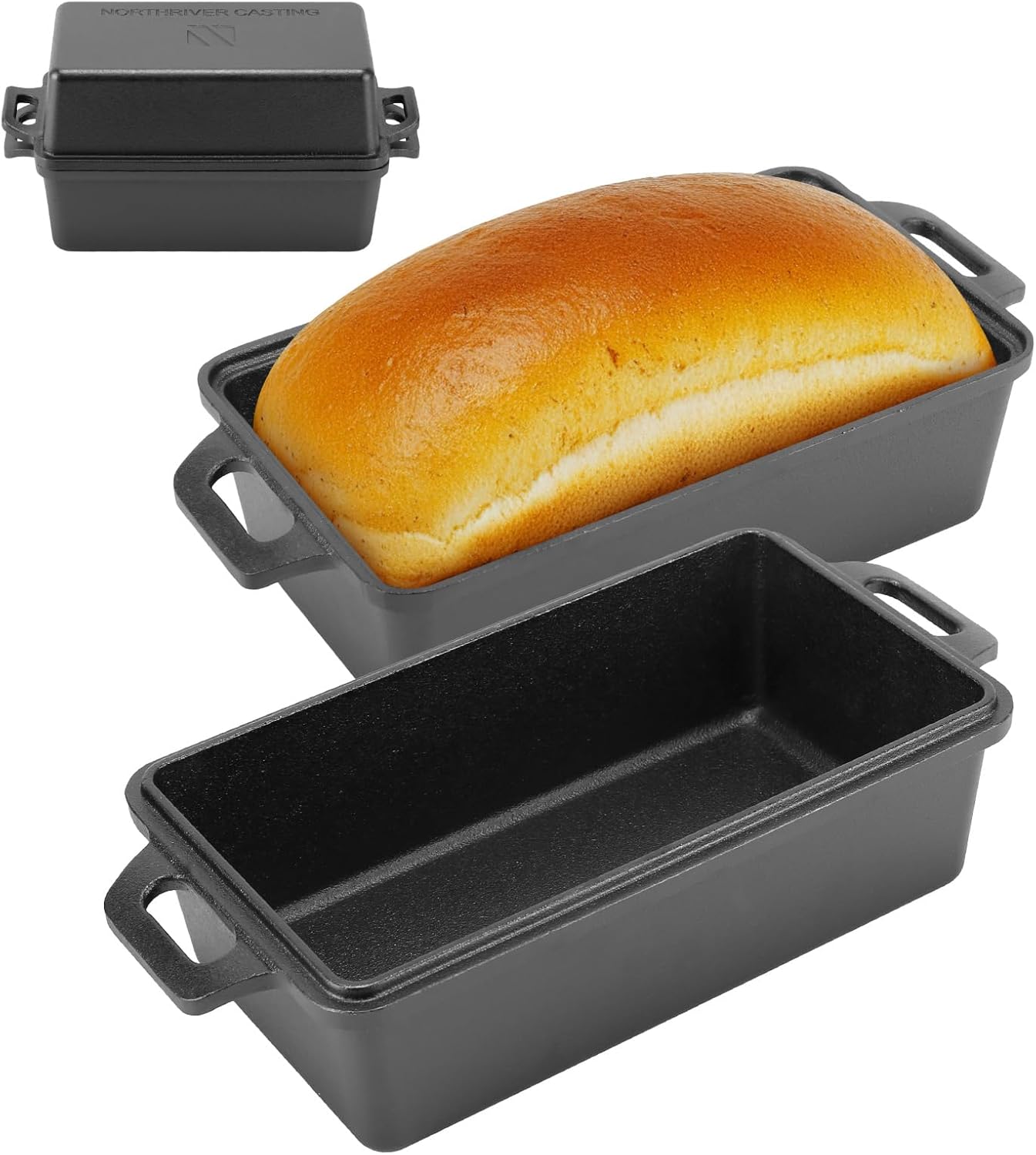
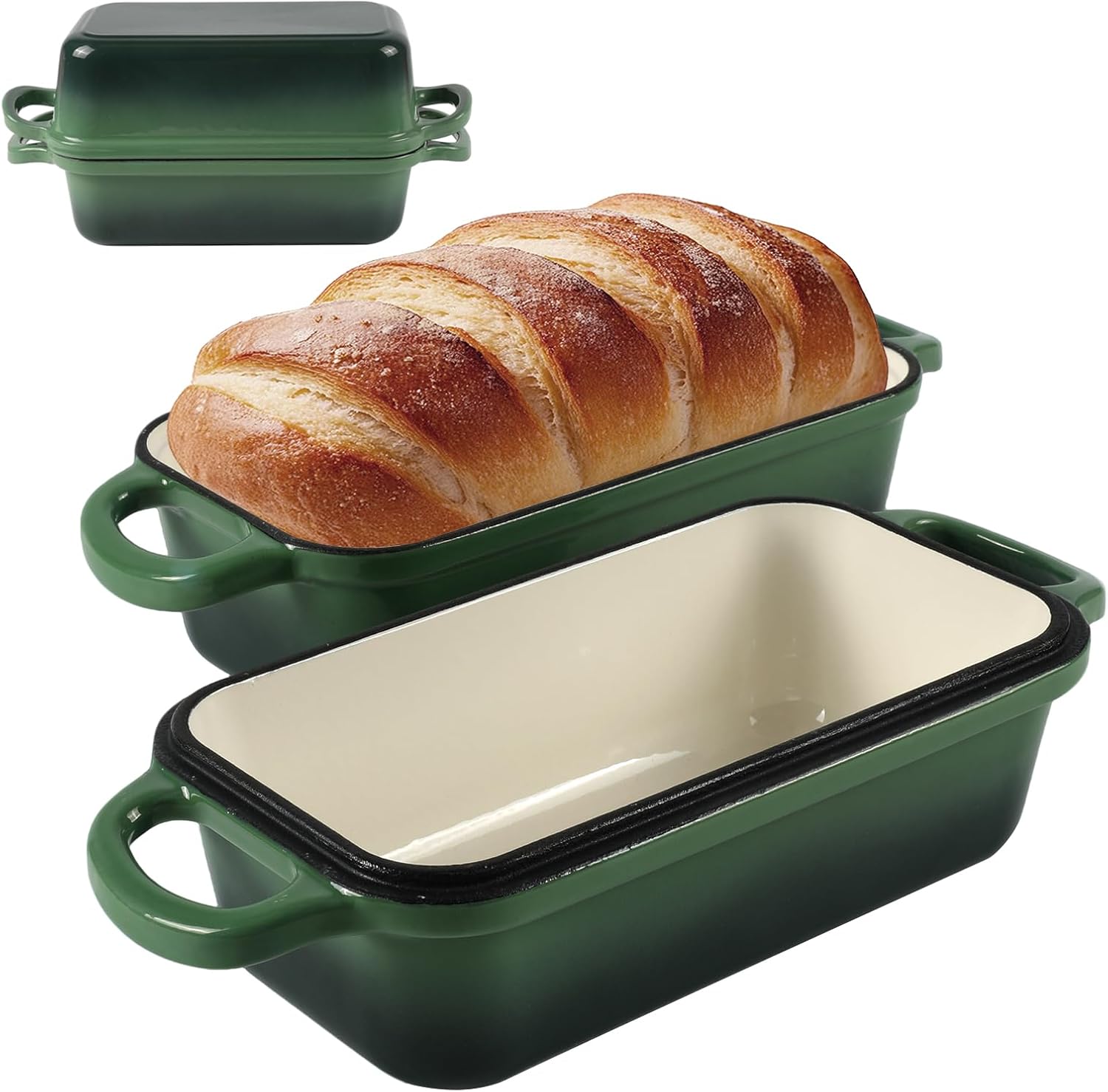
Lidded loaf pans function similarly to Dutch ovens by trapping steam and ambient moisture released from the dough. This trapped steam prevents the crust from setting prematurely, allowing the bread to expand fully and develop a thin, crackly outer shell. Removing the lid during the final baking stage lets the crust brown deeply.
Open pans lack this specialized steam-trapping capability, making them better suited for quick breads, cakes, and meatloaves where a heavy crusty exterior is entirely unnecessary. If you primarily bake artisan sourdough, a matching lid provides a distinct advantage for moisture retention and oven spring. Consider your typical baking repertoire before deciding between open surfaces and comprehensive two-piece lidded sets.
Maintenance and Cleaning Requirements
Bakeware maintenance varies significantly depending on the underlying surface material and protective coatings. Ceramic and enameled cast iron options typically feature smooth finishes that resist sticking and clean easily with basic hand washing or dishwashers. Raw cast iron requires manual cleaning, prompt drying, and regular oil seasoning to prevent rust and maintain its natural nonstick properties over time.
Aluminized steel pans with ceramic nonstick coatings offer convenient cleanup but often recommend hand washing to preserve coating longevity. Evaluating your willingness to perform ongoing seasoning maintenance helps you select low-maintenance stoneware or traditional cast iron. Choosing a pan that matches your preferred cleanup routine ensures long-term satisfaction and protects your bakeware investment.
Temperature Limits and Cooktop Compatibility
Different bread pans are engineered to withstand varying maximum temperature thresholds and heat sources. Heavy stoneware and cast iron vessels generally tolerate extreme oven heat up to 500 degrees Fahrenheit without degradation. Some aluminized steel pans feature lower maximum ratings around 425 degrees Fahrenheit, restricting their use in ultra-hot baking environments or specialized crust routines.
Cooktop compatibility is another vital consideration for bakers who utilize direct preheating methods. Cast iron models work seamlessly across gas, electric, induction cooktops, and even open campfires. Stoneware and ceramic pans require careful thermal management to prevent cracking from sudden temperature shocks. Verifying these specifications ensures safe operation across your specific kitchen appliances.
Storage Convenience and Physical Weight
Physical weight and storage footprint impact how easily you manage your bakeware during daily baking routines. Cast iron and heavy stoneware items provide excellent baking performance but introduce substantial heft that requires careful lifting. Lighter steel alternatives reduce physical strain during transfers but lack the massive thermal mass of stone materials.
Stackable designs help mitigate storage challenges by allowing lidded pans to nest compactly inside kitchen cabinets. Evaluating your available cabinet space and physical lifting comfort prevents purchasing overly heavy or bulky pans that become difficult to store or retrieve. Balancing weight, stackability, and storage requirements ensures your baking pans remain accessible for regular everyday use.
Frequently asked questions
What are the main benefits of using an unglazed stone bread loaf pan?
Unglazed stone and ceramic bread pans simulate traditional brick ovens by naturally absorbing excess humidity from dough during the baking process. This moisture regulation helps create an exceptionally crispy crust while keeping the interior crumb soft and fluffy. Additionally, stone bakeware distributes heat evenly and maintains stable thermal temperatures throughout long baking cycles. These characteristics make unglazed stoneware particularly popular for home bakers focusing on artisanal sourdough and rustic crusty bread recipes that require superior moisture management.
Can cast iron loaf pans be used on kitchen cooktops?
Yes, most heavy-duty cast iron loaf pans are fully compatible with various kitchen cooktops, including gas, electric, and induction surfaces. Some versatile models can even be used for direct preheating or outdoor campfire cooking. However, you must always verify the manufacturer specifications before placing any bakeware on a burner. Proper handling, such as using thick insulation pads or oven mitts, is essential when moving cast iron cookware between stovetops and hot ovens due to heavy thermal retention.
How should I clean and maintain an unglazed ceramic bread pan?
Cleaning an unglazed ceramic bread pan is typically straightforward, as many modern stoneware models are rated dishwasher safe. For routine maintenance, you can simply rinse the pan under warm running water using a soft sponge or plastic scraper to remove baked-on flour and residue, then let it air dry completely. Avoid using harsh metal scouring pads that could scratch or weaken the ceramic surface over time, and always ensure the pan is completely dry before storing it away.
What is the advantage of baking bread in a pan with a lid?
Baking bread in a lidded pan mimics a professional commercial steam-injection oven by trapping the natural moisture released from the dough during the initial baking phase. This trapped steam prevents the outer crust from forming too early, allowing the loaf to achieve maximum oven spring and expand fully. Removing the lid halfway through the baking cycle lets the surface brown deeply and develop a crackly, artisan-style texture that open pans cannot easily replicate without separate steaming setups.
Why is oil seasoning required for cast iron loaf pans?
Oil seasoning is essential for raw cast iron loaf pans because it creates a natural, polymerised nonstick layer that prevents food from sticking and protects the metal against rust. Regular seasoning involves applying a thin coat of cooking oil and heating the pan after every wash. Over time, this recurring maintenance builds a smooth, durable finish that continuously enhances baking performance. Enameled cast iron bypasses this requirement by using a glossy glass coating, but raw cast iron depends on seasoning for longevity.