Appliances · Buying Guide
Best sur la table measuring cups for everyday kitchen baking
Finding reliable measuring tools is essential for successful baking and everyday meal preparation in any active home kitchen environment every day. Selecting quality metal measuring cups ensures you can accurately portion both dry and liquid ingredients without worrying about warping, staining, or bending over years of regular culinary use.
The options featured throughout this comprehensive overview bring lasting durability and everyday convenience to your cooking routine, utilizing sturdy stainless steel materials and practical nesting designs for efficient cabinet storage. Whether you prefer comfortable silicone grips, magnetic handles, or expanded size selections, exploring these curated choices helps match your specific kitchen habits and storage limitations.
As an Amazon Associate, StacyLaughs earns from qualifying purchases.
Buying guide
Material Durability and Construction
Choosing the right material ensures your measuring cups withstand daily kitchen tasks without bending, rusting, or degrading over time. Stainless steel stands out as the premier choice for metal measuring cups because it handles heavy ingredients like flour and brown sugar effortlessly. Premium grades resist corrosion even when exposed to frequent dishwasher cleaning cycles and moisture in busy environments.
Selecting sturdy construction prevents accidental warping when scooping from dense containers or packed baking bags. Although plastic and aluminum alternatives exist, heavy-gauge stainless steel options offer superior longevity and professional performance for dedicated home bakers. Prioritizing robust builds guarantees reliable measurements across thousands of cooking sessions in active home kitchens without failure.
Fractional Size Selection
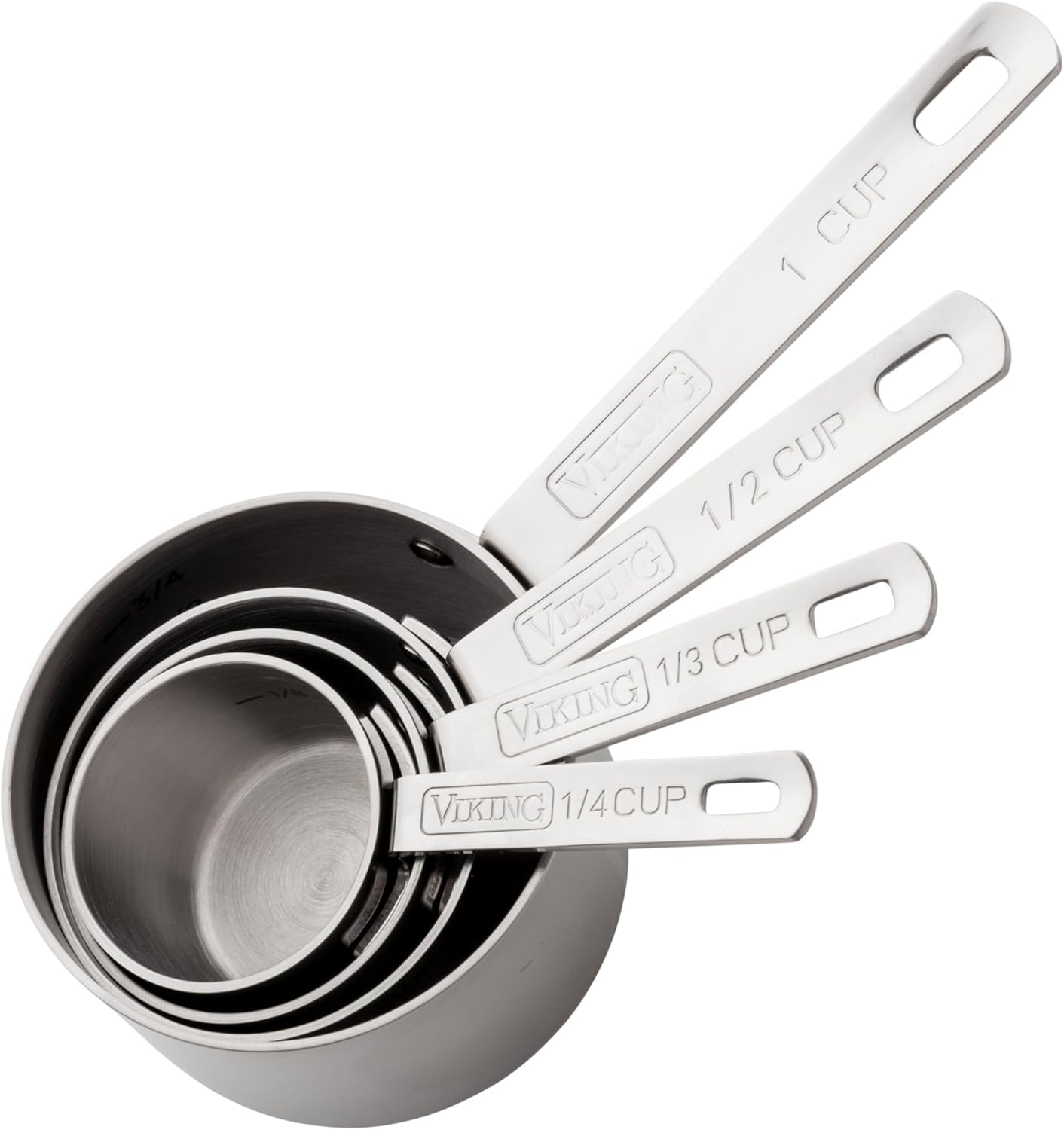
Evaluating the number of pieces in a set helps determine how easily you can follow complex recipes without repetitive scooping or estimating. Standard four-piece sets typically cover one-quarter, one-third, one-half, and one-cup increments for general baking needs. However, expanding to six-piece collections introduces helpful intermediate sizes like two-thirds and three-quarters cup capacities for advanced dishes.
Having these additional fractional sizes streamlines cooking workflows by reducing math conversions and extra utensil washes during large meal preparation. Assess your favorite recipes beforehand to see if intermediate measurements appear frequently in your routine. Selecting a comprehensive size range ensures you always have the exact tool needed for precise ingredient portions every time.
Handle Comfort and Ergonomics
Handle design significantly impacts comfort, especially when dealing with densely packed ingredients like brown sugar or chilled peanut butter. Traditional bare metal handles offer slim profiles for easy storage but can dig into your fingers under heavy pressure. In contrast, silicone grips or rubberized coatings provide cushioned support and a secure non-slip hold during demanding kitchen tasks.
Consider your personal hand strength and how often you bake when evaluating handle styles. If you frequently prep large batches of cookies or bread, ergonomic grips reduce hand fatigue significantly. Minimalist metal handles might suit occasional bakers who prioritize compact storage over cushioned tactile comfort during daily food preparation routines.
Storage Methods and Organization
Kitchen drawer space is often limited, making nesting designs an essential feature for keeping your baking accessories neatly organized. Most metal measuring cups stack inside one another efficiently to minimize clutter in small cupboards. Some modern sets incorporate magnetic handles or removable storage rings to keep individual pieces together while allowing very quick access.
Evaluating how you store your tools helps determine which organizational mechanism works best for your layout. Magnetic snaps let cups cling together securely in shallow drawers without scattering across the base. Removable rings offer traditional hanging options or easy separation during active cooking. Choosing the right storage style prevents missing pieces and keeps workspace tidy.
Measurement Legibility and Markings
Clear measurement markings are vital for achieving accurate baking results and avoiding costly recipe mistakes. Look for cups featuring permanently etched or stamped capacity numbers that resist fading through years of exposure to water and detergent. Painted or printed markings tend to wear off quickly during regular dishwasher cleaning cycles in busy home kitchens.
Internal measurement markings on popular sizes like one cup and one quarter cup add extra convenience by allowing incremental measuring without switching tools. Checking how clearly the numbers contrast with the metal surface ensures you can read measurements instantly under bright kitchen lighting, improving overall efficiency and precision during daily meal preparation tasks.
Maintenance and Dishwasher Compatibility
Keeping your measuring cups clean should be a straightforward task that does not require tedious hand washing sessions. High quality stainless steel sets are designed to be fully dishwasher safe, allowing you to sanitize them quickly after messy baking projects. Following manufacturer cleaning guidance ensures your metal tools retain their polished finish over time.
Selecting dishwasher-compatible models saves valuable time during kitchen cleanup routines after preparing big family meals. However, ensuring proper drying after machine cycles prevents annoying water spots on polished metal surfaces. Investing in durable corrosion-resistant stainless steel guarantees your measuring tools remain hygienic, attractive, and fully functional through years of heavy everyday use.
Frequently asked questions
Are stainless steel measuring cups better than plastic ones?
Stainless steel measuring cups generally offer superior durability and longevity compared to plastic alternatives. While plastic cups are lightweight and inexpensive, they can warp, stain, or absorb food odors over time, especially when exposed to tomato sauces, turmeric, or high dishwasher temperatures. Stainless steel resists staining, corrosion, and bending, making it a reliable investment for long-term kitchen use. Furthermore, metal cups do not degrade when scooping dense ingredients like packed brown sugar, ensuring consistent volume measurements across years of regular baking preparation tasks without structural failure.
Can I put my metal measuring cups in the dishwasher?
Most quality stainless steel measuring cups are fully dishwasher safe and designed to withstand standard automated cleaning cycles. However, it is always wise to follow specific manufacturer guidelines to preserve any specialized surface finishes or silicone handle components. Placing them securely in the dishwasher rack prevents them from getting wedged or damaged by powerful water jets. After the cycle finishes, drying the cups promptly helps prevent minor water spots or mineral residue from forming on polished metal surfaces, keeping them looking pristine.
Why are some measuring cup sets magnetic?
Magnetic measuring cup sets feature embedded magnets in their handles designed to keep the pieces neatly clustered together during drawer storage. This clever organizational feature prevents individual cups from separating and getting lost at the back of crowded kitchen drawers. When you need a specific size, the magnetic connection allows you to detach just that single cup easily while leaving the rest securely grouped. It provides a tidy storage solution that combines the space-saving benefits of nesting with quick, hassle-free access.
Do I need intermediate sizes like two-thirds and three-quarters cups?
Whether you need intermediate sizes depends heavily on the types of recipes you frequently prepare in your kitchen. Standard four-piece sets cover the most common measurements, but having two-thirds and three-quarters cup sizes eliminates the need for repetitive scooping and math conversions during complex baking tasks. If you frequently bake from scratch or follow advanced recipes, a six-piece set saves time and improves portion accuracy. For basic cooking tasks, a standard four-piece set usually provides sufficient everyday measuring capacity.
How do internal measurement markings help when cooking?
Internal measurement markings provide convenient reference lines inside the cup, allowing you to measure smaller fractional amounts without switching to a different tool. For example, a one-cup measure with internal lines lets you quickly check smaller volumes directly inside the same vessel during fast-paced cooking sessions. This feature reduces clutter on your counter and minimizes the number of dirty utensils you have to wash afterward. Etched or stamped internal lines ensure these helpful guides remain legible through frequent use.