Appliances · Buying Guide
Best Temp to Bake Sourdough Bread and Control Dough Fermentation
Achieving the ideal temp to bake sourdough bread and managing reliable fermentation heavily depends on stable kitchen environments. Temperature fluctuations can easily disrupt wild yeast activity, making specialized proofing mats, warming bases, and climate-controlled boxes essential tools for modern home bakers seeking predictable baking schedules and consistent loaf structures across every single baking project.
These dedicated temperature-regulating accessories take the guesswork out of daily starter maintenance and bulk fermentation. Choosing the most suitable device involves evaluating your specific kitchen space, container sizes, and whether you need precise heating ranges or cooling capabilities for your daily baking workflow to achieve optimal results.
As an Amazon Associate, StacyLaughs earns from qualifying purchases.
Buying guide
Temperature Precision and Range
Maintaining the correct temp to bake sourdough bread and manage wild yeast activity requires reliable thermal control. Different fermentation stages demand specific warmth levels, typically ranging from seventy to over one hundred degrees Fahrenheit. Precise thermostat adjustments prevent wild temperature swings that can stall starter growth or prematurely over-ferment your prepared dough.
Digital controls and integrated sensors provide clear readouts to eliminate guessing games during seasonal weather shifts. When evaluating equipment, look for devices offering degree-by-degree adjustments rather than broad low-medium-high settings. This level of accuracy ensures your baking routine remains consistent throughout the entire year, regardless of unpredicted kitchen drafts or cold room temperatures.
Sizing and Spatial Footprint
Countertop space is frequently at an absolute premium in busy home kitchens, making the physical dimensions of your proofing equipment an essential consideration. Compact heating mats and slim starter warmers tuck easily beside major appliances or inside shallow drawers when not in active use. Measuring your available storage areas helps prevent unnecessary kitchen clutter over time.
Larger folding proofing boxes offer enclosed environments but require substantial clearance during active baking sessions. Assess your typical batch sizes, jar diameters, and available storage space before purchasing to ensure the chosen device fits seamlessly into your everyday kitchen layout without causing operational crowding or blocking other necessary meal preparation tasks.
Enclosed Chambers versus Open Mats
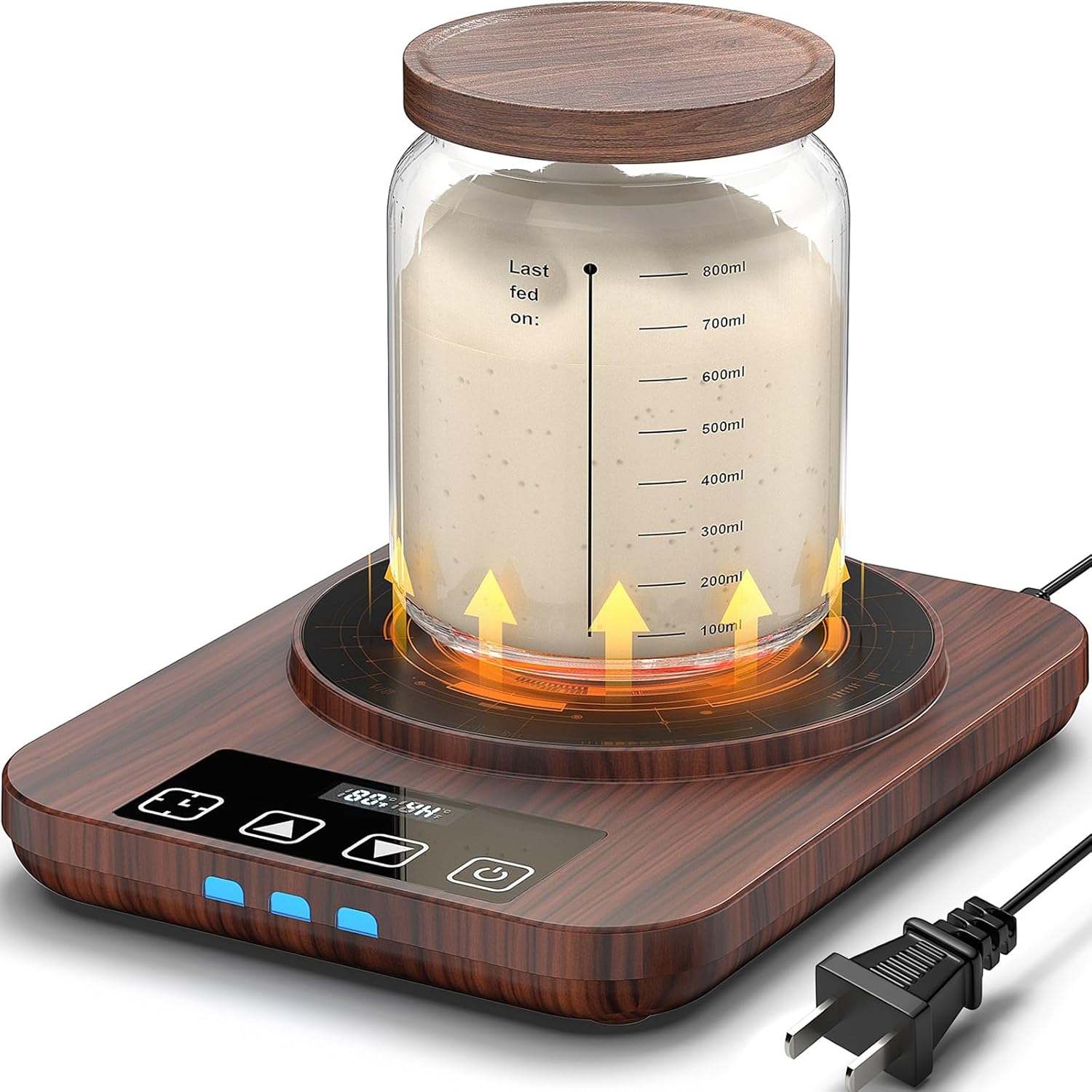
Choosing between an open heating mat and an enclosed proofing chamber depends heavily on your specific baking environment and dough volume. Open heating mats supply direct thermal energy to the base of a single jar or bowl, offering rapid setup and effortless storage. However, they leave the upper portions exposed to surrounding air currents.
Enclosed boxes create a sheltered microclimate that protects rising dough from ambient drafts and cooler surrounding room air. While open pads rely on room conditions around the top of the container, boxes isolate the entire volume for more uniform fermentation across larger batches of artisan bread, despite taking up more permanent counter space.
Starter Maintenance versus Bulk Proofing
Maintaining a healthy sourdough starter requires consistent daily feeding routines and steady warmth to encourage active wild yeast cultures throughout the entire year. Compact warming bases and dedicated starter homes target small glass vessels perfectly, keeping your culture lively without consuming excessive counter space or wasting household electrical energy during regular maintenance schedules.
Bulk dough proofing requires significantly larger spatial capacities to accommodate shaped loaves, pizza dough bowls, or large mixing containers. Always ensure your selected device matches your primary baking goal, whether you are simply keeping a jar bubbly or managing full batches of heavy artisan bread dough through extended multi-hour fermentation cycles.
Timer and Memory Convenience
Built-in smart timers take the guesswork out of lengthy fermentation schedules by automatically managing heating elements and shutting off after a specified duration. This prevents accidental over-proofing when your sourdough dough or starter reaches peak activity while you are occupied with other household daily tasks or sleeping soundly overnight.
Advanced memory functions provide additional convenience by securely retaining your preferred temperature and schedule settings for simple one-touch restarts. Selecting accessories with these automated controls significantly simplifies your daily baking workflow and ensures highly repeatable results across multiple baking sessions without requiring tedious manual reprogramming every single time you bake fresh artisan bread at home.
Maintenance and Material Durability
Kitchen equipment must withstand frequent cleaning, accidental liquid spills, and general wear associated with sourdough preparation and messy flour handling. Food-grade materials and waterproof interior surfaces make quickly wiping down proofing boxes and warming mats straightforward after each baking session without requiring complicated maintenance steps or harsh abrasive scrubbing tools.
Always follow manufacturer care guidelines regarding recommended cleaning methods, avoiding harsh chemical solvents or directly submerging electrical control boxes that could damage internal wiring. Durable material construction ensures your equipment investment supports countless successful baking projects while maintaining safe and reliable thermal performance over the long term of regular kitchen use.
Frequently asked questions
Why is temperature control important when baking sourdough bread?
Temperature control is crucial because wild yeast and lactic acid bacteria in sourdough starter thrive within specific warmth ranges, typically between seventy and eighty-five degrees Fahrenheit. When kitchen temperatures drop during colder months, fermentation slows down dramatically, leading to dense or delayed rises. Conversely, excessive heat can over-activate the starter, depleting food sources too quickly and creating an overly acidic profile. Maintaining a stable, regulated environment ensures predictable rise times, better crumb structure, and consistent flavor development across all your homemade artisan bread baking projects.
Can I use a sourdough warmer for other kitchen fermentation projects?
Many temperature-controlled sourdough warmers and proofing boxes are highly versatile and suitable for a variety of home fermentation projects beyond bread baking. Adjustable thermostats and stable heating ranges make these devices compatible with making homemade yogurt, fermenting kombucha, proofing pizza dough, and softening butter or defrosting ingredients safely. Because these accessories allow precise temperature regulation rather than fixed heat, you can easily adapt them to different recipes and culinary tasks that require consistent, low-level warmth throughout your kitchen routine.
What is the difference between an open heating mat and an enclosed proofing box?
An open heating mat provides a slim, direct warming surface underneath a single starter jar or mixing bowl, offering rapid setup and easy drawer storage. However, it leaves the upper portions of your container exposed to surrounding room air and drafts. In contrast, an enclosed proofing box creates a sheltered, multi-sided microclimate that isolates the entire volume of dough or starter. While boxes take up more counter space during active use, they deliver much more uniform thermal stability by protecting against fluctuating room temperatures.
How do I clean and maintain my sourdough proofing equipment?
Proper maintenance depends on the specific manufacturer instructions provided with your device, but most waterproof surfaces and heating mats require only simple wipe-downs with a damp cloth after cooling. You should strictly avoid submerging electrical units in water, using abrasive scrubbing pads, or applying harsh chemical cleaners like bleach and alcohol, which can damage food-grade materials and control boxes. Following these care guidelines ensures your equipment remains hygienic and functional, protecting your investment for countless future sourdough baking sessions.
Do I need a dough probe or an external timer for sourdough fermentation?
While not strictly mandatory, a built-in dough probe and an automatic smart timer offer significant advantages by removing guesswork from the fermentation process. A dough probe measures the actual core temperature inside the fermenting mass rather than just the surrounding air, giving you precise data on how your starter is reacting. Meanwhile, automated timers and memory functions allow you to set specific durations and save your preferred settings, preventing accidental over-proofing if you are busy or sleeping overnight.