Appliances · Buying Guide
Best Temperature to Bake Sourdough and Maintain Starter
Managing the temperature to bake sourdough successfully involves much more than simply heating your kitchen oven; it actually starts right at the beginning with keeping your active starter alive and thriving. Proper thermal control ensures your wild yeast remains consistently bubbly and strong, creating the essential foundation for a wonderfully airy crumb, reliable rise, and rich flavor profile.
Whether you bake fresh loaves daily or only on weekends, maintaining a steady climate prevents sluggish fermentation or accidental overproofing. Modern specialized tools offer precise thermal controls, ranging from compact heating mats to dual-function warming and cooling units designed specifically to support home bakers through every seasonal shift. Understanding these thermal requirements transforms unpredictable baking outcomes into repeatable kitchen successes.
As an Amazon Associate, StacyLaughs earns from qualifying purchases.
Buying guide
Understanding Starter Thermal Ranges
Maintaining the correct temperature to bake sourdough starts long before dough goes into the oven. Wild yeast and bacteria thrive best when kept within specific thermal bands, typically between seventy and eighty degrees Fahrenheit. When conditions drop too low, fermentation slows down dramatically, leaving your starter sluggish and inactive.
Conversely, excessive heat can exhaust your culture or encourage unwanted microbial growth. Utilizing dedicated warming mats or controlled chambers helps stabilize these vital ranges throughout changing seasons. Consistency remains the true cornerstone of successful sourdough baking routines everywhere.
Seasonal Climate Control Needs
Ambient kitchen temperatures fluctuate wildly between freezing winter mornings and hot summer afternoons. These seasonal shifts directly impact how quickly your wild yeast consumes flour and produces carbon dioxide gas. Without external thermal regulation, your daily baking schedule becomes an unpredictable guessing game of rising times, frustrating delays, and inconsistent loaf textures that disrupt your weekly meal planning.
Advanced incubation devices offering both heating and cooling modes allow bakers to neutralize seasonal extremes effectively. Lowering ambient storage warmth during hot summer months prevents accidental overproofing, while gentle winter heating keeps starter activity reliably steady. Matching your equipment to your regional climate ensures predictable, high-quality results year-round.
Capacity And Space Planning
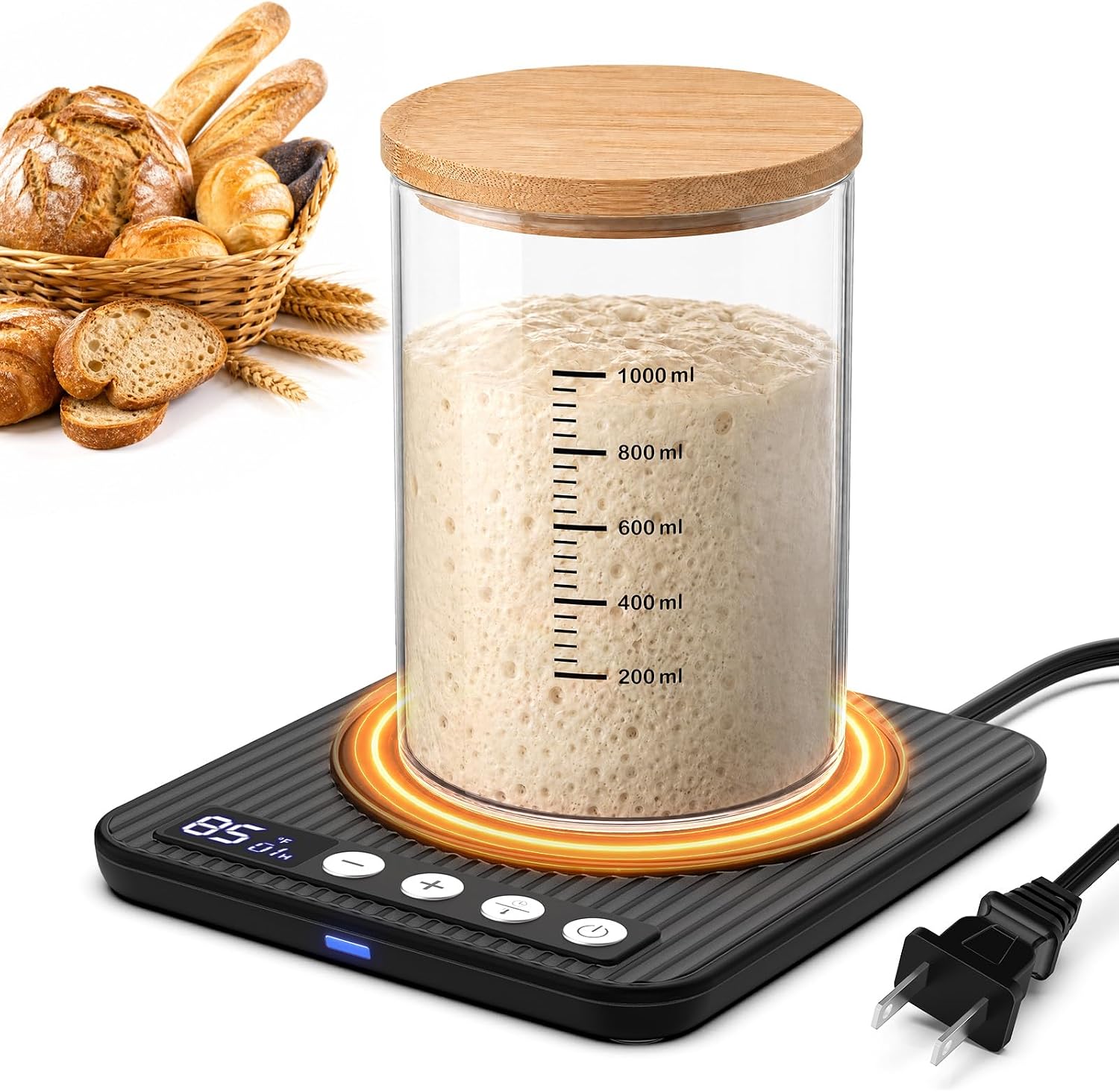
Countertop real estate is a major consideration when selecting sourdough temperature management tools. Compact heating mats take up minimal space, fitting snugly under standard mason jars without cluttering small kitchen surfaces. Conversely, multi-jar incubators and extra-large proofing boxes demand significantly more room for daily operation and careful storage placement.
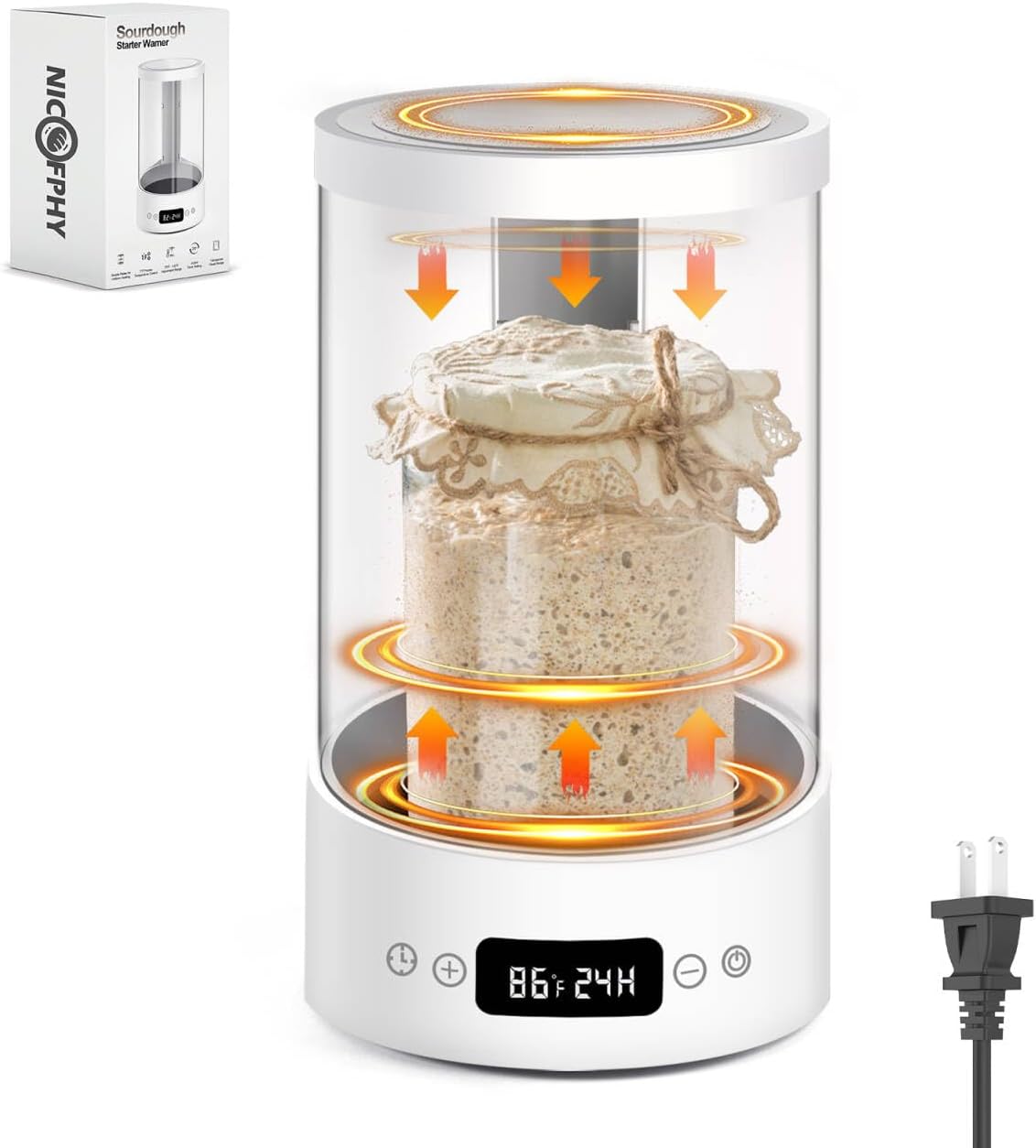
Evaluators should carefully measure their available kitchen counters before investing in bulky equipment. If you only maintain a single starter culture, a slim aluminum warming plate satisfies your fundamental needs. Larger family baking operations require expandable fabric boxes to handle multiple dough baskets and sheet pans simultaneously.
Precision Versus Basic Heating
Different baking styles require varying levels of thermal accuracy. Basic heating mats deliver steady warmth across preset modes, offering straightforward operation for everyday sourdough enthusiasts. These simple setups remove guesswork through easy touch controls and reliable safety timers that prevent overnight overheating risks during long fermentation cycles.
Professional home bakers often demand exact thermostat control down to a single degree to fine-tune fermentation speeds. Enclosed boxes with digital sensors maintain rigorous consistency across insulated chambers. Choosing between basic warmth and precise thermostats depends entirely on your recipe complexity, desired crumb structure, and personal baking ambitions.
Cleaning And Maintenance Requirements
Maintaining strict hygiene around sourdough equipment is essential since flour dust and sticky starter residue accumulate easily during routine feedings. Waterproof surfaces and smooth BPA-free plates allow for quick wipe-downs after daily maintenance sessions. Always follow manufacturer cleaning guidelines regarding power disconnects before wiping down electrical components and heating plates.
Enclosed boxes and fabric proofer walls require gentle care to preserve their insulating layers and structural integrity. Removable glass jars included with specific kits often feature dishwasher-safe construction for effortless sanitation. Proper maintenance extends the functional lifespan of your thermal accessories and safeguards starter health.
Safety And Timer Features
Leaving heating devices running overnight requires reliable safety mechanisms to prevent electrical hazards and overheating accidents. Modern sourdough warmers incorporate automatic shut-off timers spanning up to twenty-four hours of continuous operation. These integrated features provide immense peace of mind during long overnight fermentation workflows for busy home bakers.
Low-wattage electrical designs also contribute to energy efficiency and safe continuous operation on domestic kitchen counters. Built-in thermal sensors prevent overheating by pausing heating elements when ambient conditions exceed target limits. Prioritizing these protective specifications safeguards both your household environment and your delicate yeast culture.
Frequently asked questions
What is the ideal temperature to bake sourdough starter and dough?
Maintaining the proper temperature to bake sourdough starter and dough typically ranges between seventy and eighty degrees Fahrenheit for optimal fermentation. At this thermal level, wild yeast and beneficial bacteria multiply efficiently, producing balanced carbon dioxide gas that creates a light, airy crumb structure. Temperatures dropping below sixty-five degrees slow down yeast activity significantly, leading to sluggish rises and dense loaves. Conversely, environments exceeding ninety degrees risk overproofing your dough or exhausting your starter culture prematurely. Utilizing specialized warming mats or climate-controlled chambers helps maintain this vital window consistently across all seasons.
Can I use a regular heating pad instead of a sourdough warmer?
While standard heating pads generate warmth, they generally lack the precise thermostat controls and low-temperature accuracy required for delicate sourdough fermentation. Regular medical or household heating pads often run too hot, which can easily kill your wild yeast culture or overheat your glass starter jar. Dedicated sourdough warmers and proofing boxes are specifically engineered to deliver gentle, steady warmth within a controlled fifty to one hundred forty degree range. Furthermore, specialized units feature safety timers and enclosed designs that protect your fermenting culture from drafts and sudden ambient temperature drops.
How do I know if my sourdough starter is too warm or too cold?
Recognizing thermal stress in your sourdough starter involves observing its bubble activity, rise speed, and aroma after feeding. A starter kept at the correct temperature to bake sourdough will double in volume within four to eight hours, showing active bubbling and a pleasant, slightly tangy smell. If your starter remains flat, inactive, or smells overly harsh and alcoholic, it is likely being kept in an environment that is too cold, causing sluggish dormancy, or too hot, causing rapid exhaustion. Utilizing temperature-controlled mats or cooling boxes eliminates this guesswork entirely.
Do I need a cooling function for my sourdough starter?
Having a cooling function is extremely beneficial if your kitchen experiences hot summer months or elevated indoor temperatures. Standard heating mats only raise temperatures, which can lead to rapid overproofing when your ambient room climate is already warm. Devices that offer both heating and cooling capabilities allow you to maintain an ideal thermal range year-round, regardless of external weather changes. This dual-mode control helps you slow down starter activity for weekly storage or speed it up for daily baking schedules, minimizing flour waste and ensuring consistent bread results.
What size jar fits on typical sourdough warming mats?
Most standard sourdough warming mats and compact heating plates are specifically designed to accommodate twenty-four to forty-ounce flat-bottom jars, standard mason jars, or similar small fermentation vessels. The aluminum heating plates generally measure around four to six inches across, providing concentrated base warmth directly to the bottom of your glass container. If you use exceptionally tall or wide jars, you must verify the clearance dimensions of enclosed warming domes or proofing boxes to ensure proper fit. Checking these measurements beforehand prevents compatibility issues during your baking preparation.