Appliances · Buying Guide
Best tg green mixing bowl choices for home baking
Finding the right mixing bowl changes how you handle everyday kitchen tasks, from whipping up dense cake batters to tossing large family salads. When searching for a dependable tg green mixing bowl, color aesthetic serves as a pleasant starting point for coordinating your kitchen organization and food preparation routine. Features like nesting storage and secure lids make a big difference in daily use.
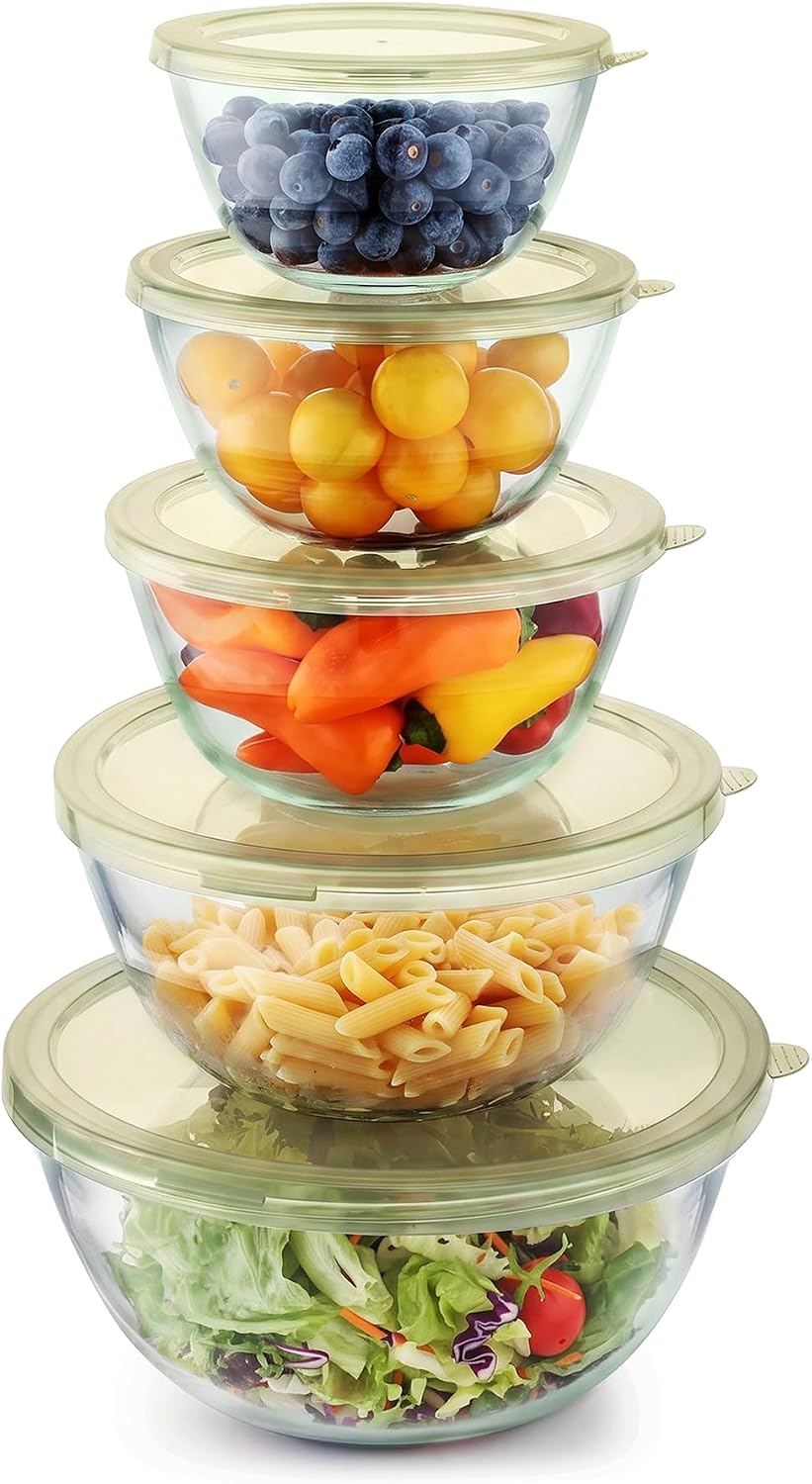
Material choices across these selections range from lightweight BPA-free plastics and thicker stainless steel to classic borosilicate glass builds. Each option brings specific design traits like non-slip silicone bases, matching airtight lids, or integrated pour spouts to simplify food preparation, mixing, baking, and direct refrigerator storage without creating unnecessary cabinet clutter in your home kitchen.
As an Amazon Associate, StacyLaughs earns from qualifying purchases.
Buying guide
Material Selection for Kitchen Mixing
Choosing the correct bowl material significantly shapes your daily baking and cooking routine. Plastic options provide lightweight handling and budget-friendly appeal, making them simple to move around the kitchen counter during busy meal preparation sessions. Stainless steel versions offer exceptional long-term durability and resistance to heavy manual mixing tools without retaining food odors or stubborn stains from highly acidic ingredients.
Glass alternatives bring a heavier, non-porous structure that handles refrigerator storage and direct table-serving roles seamlessly. Consider how often you lift heavy dough mixtures or transport vessels across the room when deciding between these distinct material profiles for your household kitchen space. Proper material choice prevents premature wear.
Capacity Range and Bowl Sizing
Evaluating capacity ensures you select a set capable of handling small egg-whisking tasks as well as large batch bread doughs. Smaller fractional quart bowls suit quick dressings, single whisked eggs, and measured spices during prep work. Mid-sized vessels handle standard cake batters and vegetable washing with plenty of clearance to prevent accidental counter splashes.
Larger mixing bowls exceeding four or five quarts provide the necessary volume for tossing expansive family salads or kneading multi-loaf bread recipes. Reviewing your typical household meal sizes helps determine whether a compact five-piece configuration or a larger multi-piece set best addresses your everyday culinary demands without taking up excess room on shelves.
Storage and Nesting Design
Kitchen cabinet space is frequently at a premium in modern homes, making nesting bowl designs an essential feature for efficient home organization. Bowls that fit smoothly and deeply inside one another significantly reduce the footprint required for storage, keeping your cupboards tidy, uncluttered, and easily accessible during busy cooking sessions throughout the week.
Sets featuring stackable profiles allow you to house multiple sizing options in the physical space of a single large bowl. When evaluating prospective purchases, carefully consider whether the included matching lids also nest efficiently or if they require separate storage arrangements within your kitchen pantry shelves or designated drawers.
Base Stability and Non-Slip Features
Mixing ingredients vigorously can cause unsecured bowls to slide across slick countertops, creating frustrating spills and unnecessary kitchen messes. Selecting a bowl equipped with a specialized silicone or rubber base provides essential friction that anchors the vessel firmly in place during active hand whisking or electric beating tasks every single time.
This added stability allows you to use both hands freely when incorporating stubborn ingredients or whipping heavy cream at high speeds. Untextured plastic or metal alternatives often require placing a damp kitchen towel underneath the base to achieve similar stationary performance during demanding food preparation steps in your home.
Cleaning and Maintenance Guidelines
Proper cleanup routines extend the operational lifespan of your mixing bowl collection and maintain sanitary food contact surfaces for future meals. Many modern plastic and glass bowls feature convenient dishwasher-safe construction, allowing for effortless post-meal sanitation on standard top racks without demanding excessive manual scrubbing effort from you during daily kitchen cleanup.
However, certain specific materials like metal bowls featuring bonded silicone bases or specialized airtight plastic lids frequently require gentle hand washing to preserve their structural integrity. Always review manufacturer care guidelines regarding temperature limits and lid washing instructions to prevent warping or premature wear over extended periods of household kitchen use. Following these guidelines keeps everything pristine.
Storage Lids and Portability
Bowls featuring matching lids transition easily from active mixing vessels into airtight storage containers for preserving leftovers or holding pre-portioned ingredients. Well-fitting covers keep food fresh inside the refrigerator and simplify transporting prepared dishes to family gatherings, picnics, or neighborhood potlucks without messy spills during travel.
When assessing options with lids, check whether they are designed exclusively for refrigerator storage use or compatible with broader freezer environments. Lids that nest inside the bowls or stack neatly ensure your kitchen cabinets remain organized without accumulating random loose covers that clutter your storage drawers over time. Additional features like pour spouts also enhance convenience.
Frequently asked questions
Can mixing bowls be placed in the microwave?
Microwave compatibility depends entirely on the specific material of the mixing bowl you select. Plastic bowls that are explicitly designated as microwave-safe can be used for warming or melting ingredients, though manufacturers typically advise removing any matching lids before heating. On the other hand, metal bowls containing stainless steel must never be placed inside a microwave due to safety hazards. Glass bowls made from borosilicate glass generally offer microwave-safe performance, but you should always verify the manufacturer guidelines and avoid exposing glass to extreme temperature shocks.
Are stainless steel mixing bowls better than plastic ones?
Neither material is universally better; instead, each suits different cooking styles and kitchen preferences. Stainless steel bowls offer exceptional durability, resist staining and odors completely, and withstand heavy-duty mixing tools without scratching or bending. However, they lack microwave compatibility. Plastic bowls provide lightweight handling, budget-friendly appeal, and sometimes include non-stick surfaces or integrated pour spouts, but they may eventually show wear from sharp utensils or absorb strong food colors over years of frequent baking use. Your choice depends on your daily tasks.
How do non-slip bases work on mixing bowls?
Non-slip bases typically feature a ring of silicone or rubber bonded to the bottom exterior of the mixing bowl. This tactile material creates friction against smooth kitchen countertops, preventing the bowl from sliding around when you mix dense batters, whip heavy cream, or knead dough vigorously. This added stability eliminates the need to press down awkwardly or place a damp towel underneath the bowl, allowing you to use both hands freely for ingredient incorporation during your baking sessions.
Can I store leftovers in mixing bowls with lids?
Yes, mixing bowls that include matching airtight lids transition seamlessly into convenient food storage containers for your refrigerator or freezer. Lidded sets allow you to mix, cover, and store ingredients or leftovers in the exact same vessel, reducing the number of dirty dishes you have to clean later. When using lidded bowls, always check whether the lids are dishwasher safe or require gentle hand washing to maintain their tight seal and prevent warping over extended periods.
How should I clean and maintain my mixing bowl set?
Maintenance and cleaning routines depend closely on the specific materials used in your bowl set. Many plastic, stainless steel, and borosilicate glass bowls feature top-rack dishwasher-safe construction for quick and effortless cleanup after food preparation. However, accompanying items such as silicone-bonded bases, airtight plastic lids, or specialized covers often require gentle hand washing to preserve their structural integrity and prevent warping. Always review the manufacturer care instructions provided with your specific product to ensure longevity.