Appliances · Buying Guide
Best Containers For Thawing Out Frozen Pizza Dough And Fermenting
Managing homemade pizza preparations often involves storing, proofing, and thawing out frozen pizza dough safely. Selecting the right container ensures that your dough balls maintain their hydration, structure, and ideal texture for baking a great crust.
Specialized proofing and storage boxes help home bakers manage temperature transitions from freezer to refrigerator and countertop. The market offers various silicone and stainless steel options designed to keep dough protected and separate.
As an Amazon Associate, StacyLaughs earns from qualifying purchases.
Buying guide
Material Selection for Dough Containers
Choosing the correct material significantly influences how well your dough maintains temperature, ideal hydration, and moisture during fermentation or thawing phases. Silicone containers offer flexible walls that simplify releasing sticky dough balls after proofing is complete. Many silicone models feature internal steel reinforcement to maintain structural stability during heavy daily kitchen handling, preventing unexpected warping when moved across counters.
Stainless steel alternatives provide robust resistance against stains and lingering odors without ever bending under pressure or absorbing food oils. Both material types support safe refrigeration and freezing routines, though their tactile response and weight differ noticeably. Consider how your preferred material handles cleaning cycles, storage space limitations, and everyday kitchen tasks before making a final product selection for your home bakery setup.
Capacity and Dough Ball Sizing
Matching container volume to your specific dough ball weight ensures proper rising without overcrowding or restricted gluten expansion during fermentation. Smaller 500ml trays suit individual 250g portions intended for single servings or compact personal-sized crusts. Mid-sized 1000ml to 1300ml options easily accommodate larger 300g to 400g balls designed specifically for generous family-sized pizzas.
Overfilling a restricted container can force the lid open prematurely or interrupt uniform fermentation across the entire baking batch. Conversely, using an oversized box for tiny dough portions leaves excessive empty air space that might dry out the outer crust layer during resting. Evaluating your typical baking batch size helps determine the optimal volume required for reliable results.
Airtight Seals and Lid Designs
An airtight seal protects fermenting dough from ambient refrigerator odors and prevents surface drying during long resting or thawing periods. Clear lids provide an essential practical advantage by allowing visual inspection of the rising process without releasing internal humidity or letting fresh air in. Snap-fit and clip-on closures secure this protective barrier effectively across various storage environments.
Checking how securely a lid fastens helps avoid unexpected pressure releases or shifting during multi-day cold storage schedules in crowded refrigerators. Some designs incorporate specialized sealing mechanisms that maintain internal humidity while keeping unwanted airborne contaminants completely away from the ingredients. Reviewing lid transparency and closure types ensures seamless daily monitoring of your dough.
Space-Saving Stackable Storage
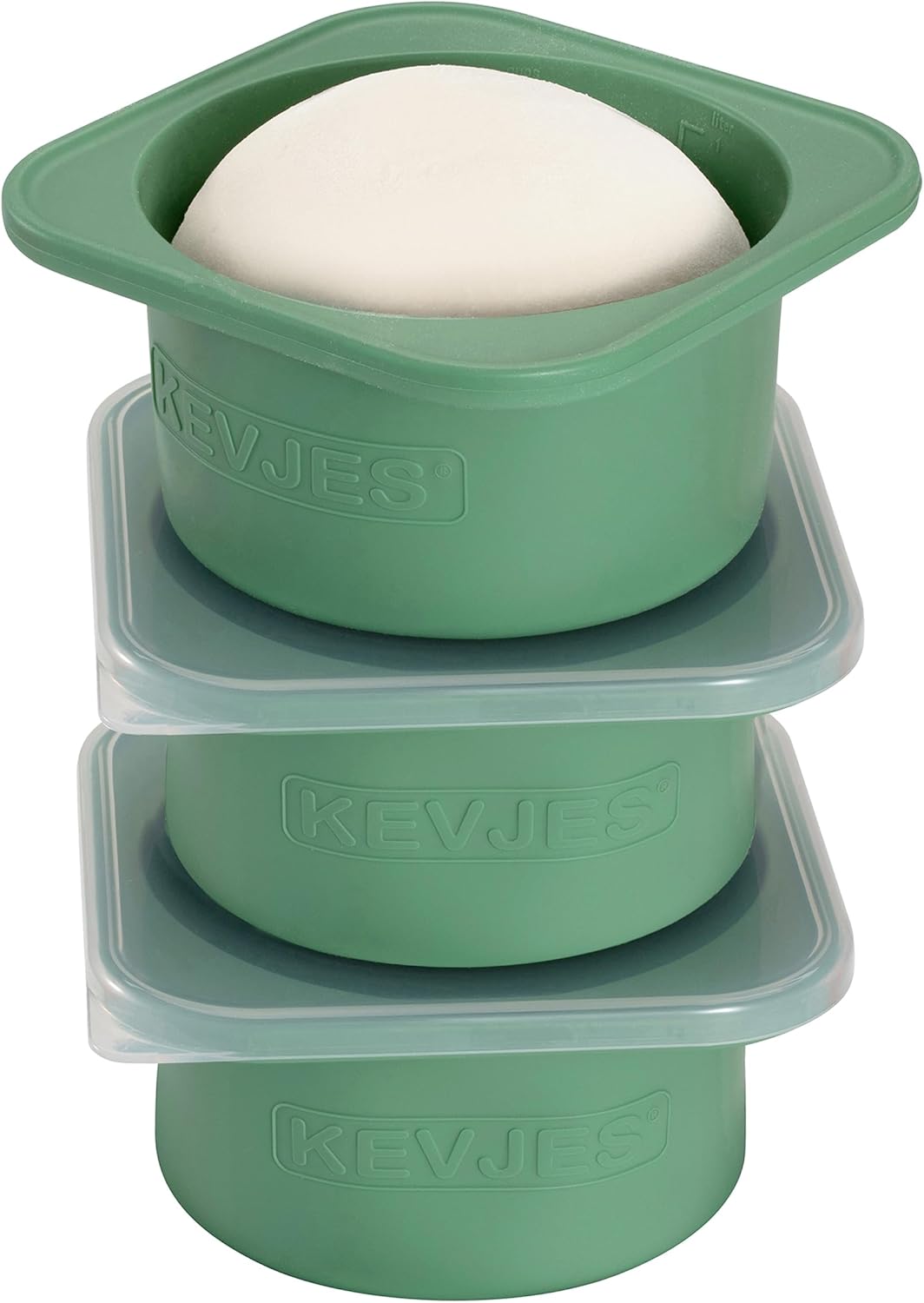
Kitchen shelf space is often exceptionally limited, making stackable container designs a valuable asset for home bakers managing multiple batches simultaneously. Vertical stacking keeps your refrigerator organized while ensuring individual dough portions remain completely undisturbed during resting or thawing phases. Collapsible silicone structures offer even greater space efficiency when stored empty in cramped kitchen cabinets between baking days.
Assessing your available refrigerator and cabinet dimensions prevents frustrating overcrowding when preparing multiple pizzas throughout the busy week. Units that nest neatly inside each other when not in use reduce clutter in home workspaces. Prioritizing vertical organization streamlines your preparation routine without sacrificing valuable overall storage capacity for your other essential groceries and ingredients.
Cleaning and Maintenance Protocols
Maintaining food storage containers according to explicit manufacturer guidelines ensures long-term durability and safe daily food preparation. Dishwasher-safe materials significantly simplify cleanup after messy dough handling sessions, though gentle hand washing may be recommended for hybrid steel-reinforced structures. Following these care instructions prevents premature wear on seals and flexible surfaces over time.
Inspecting silicone and metal components regularly helps identify any residue buildup or wear resulting from frequent freezer cycles and cold proofing routines. Proper maintenance preserves the structural integrity of airtight seals and reinforcing frames over years of frequent baking. Adhering strictly to suggested cleaning practices keeps your proofing equipment hygienic and reliable for future baking projects.
Value Sets and Included Accessories
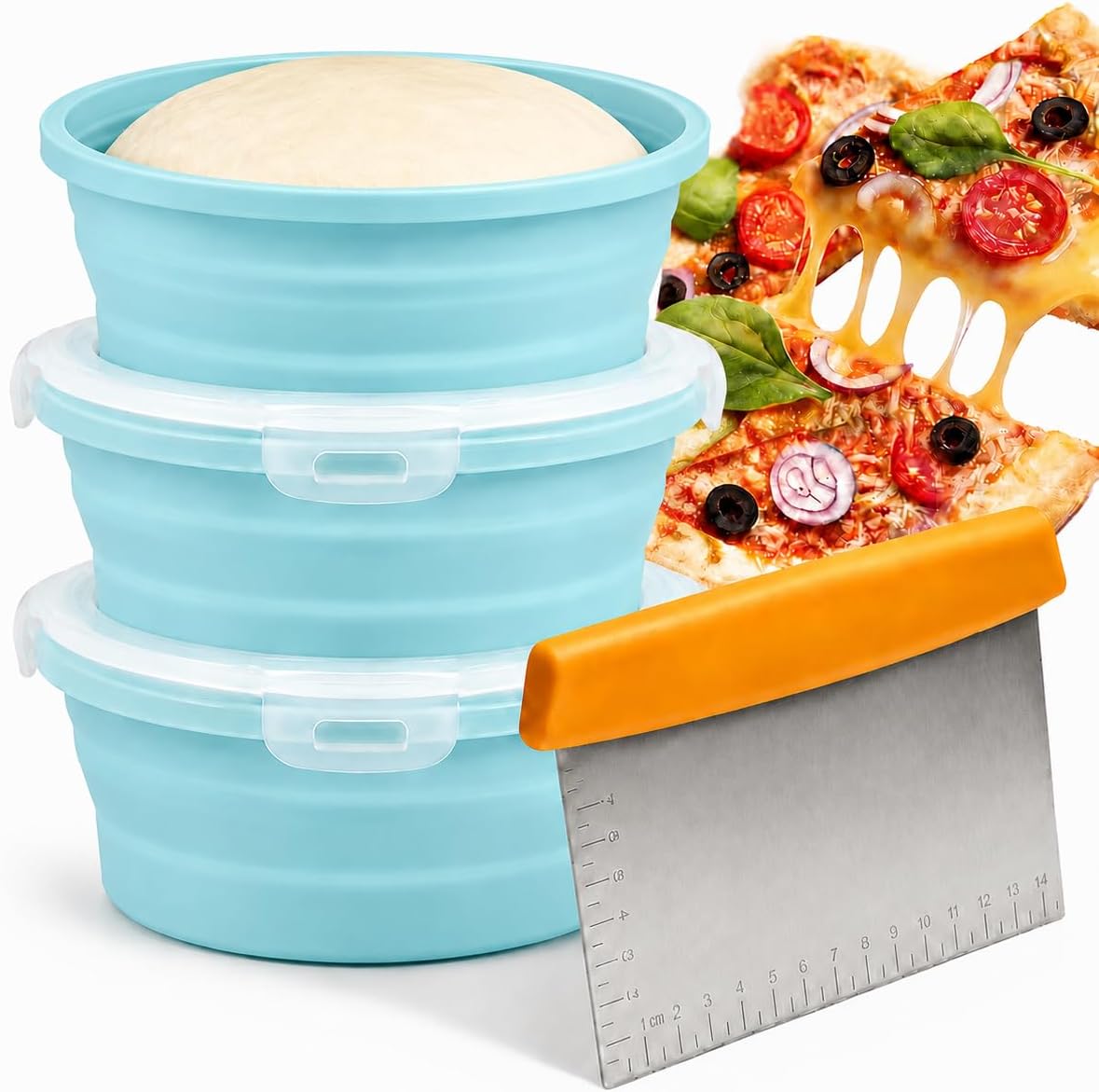
Purchasing multi-pack sets provides sufficient containers to prepare several dough balls simultaneously for weekly baking routines or large family gatherings. Many available options include helpful accessories like dedicated dough cutters to streamline portioning and dividing ingredients cleanly. Evaluating these bundled extras enhances the overall utility and practical value of your kitchen purchase.
Assessing whether a three-pack or four-pack configuration aligns with your typical pizza preparation schedule prevents buying unnecessary items or running short on capacity. Bundled tools reduce the need for separate kitchen utensil purchases while ensuring seamless compatibility with your dough proofing workflow. Choosing complete sets maximizes daily convenience from the very first day of baking.
Frequently asked questions
How do proofing boxes help when thawing out frozen pizza dough?
Proofing boxes provide a controlled, airtight environment that protects the dough from drying out during the temperature transition from freezer to refrigerator or countertop. The sealed lids trap internal humidity, ensuring the outer crust does not form a hard, dry skin while the center thaws. Additionally, using individual containers keeps each dough ball separated, preventing them from sticking together as they soften and expand. This structured approach helps maintain the ideal hydration and texture required for stretching a uniform crust before baking.
Can I use these containers in both the freezer and refrigerator?
Many silicone and stainless steel proofing containers are engineered to be safe for both refrigerator and freezer storage, allowing for flexible meal planning. You can prepare large batches of dough in advance, store them frozen for later use, or transfer them to the refrigerator for slower cold fermentation. However, it is always important to review specific manufacturer instructions regarding temperature limits to prevent material damage. Ensuring your containers are rated for both environments lets you easily manage your baking schedule throughout the week.
Are silicone dough boxes better than stainless steel options?
Silicone and stainless steel containers each offer distinct advantages depending on your personal baking preferences and kitchen workflow. Silicone boxes provide flexible walls that make it exceptionally easy to peel away sticky dough balls without tearing them. They are also frequently collapsible for compact storage in tight cabinets. Stainless steel containers offer superior resistance against stains, odors, and cracking, providing a rigid, highly durable structure. Choosing between them depends on whether you prefer flexible release properties or rugged metal longevity.
What size container do I need for a standard pizza dough ball?
The ideal container size depends directly on the weight of the dough ball you plan to prepare. Smaller 500ml containers are tailored for standard 250g portions, making them ideal for personal-sized pizzas. For larger 12 to 14-inch pizzas requiring 300g to 400g of dough, larger capacities ranging from 1000ml to 1300ml provide ample room for proper gluten expansion. Selecting a volume that matches your portion size prevents overcrowding and ensures uniform texture development during the final rise.
How do I prevent dough from sticking to the inside of the container?
To prevent dough from sticking to the interior walls, many manufacturers recommend lightly spraying the container with oil before placing the ball inside. This simple trick helps the dough slide out effortlessly when the proofing or thawing process is complete. Additionally, choosing containers made from non-stick food-grade silicone or smooth stainless steel naturally minimizes stubborn adhesion. Proper cleaning after every use also prevents residue buildup that could otherwise cause dough to catch during removal.