Appliances · Buying Guide
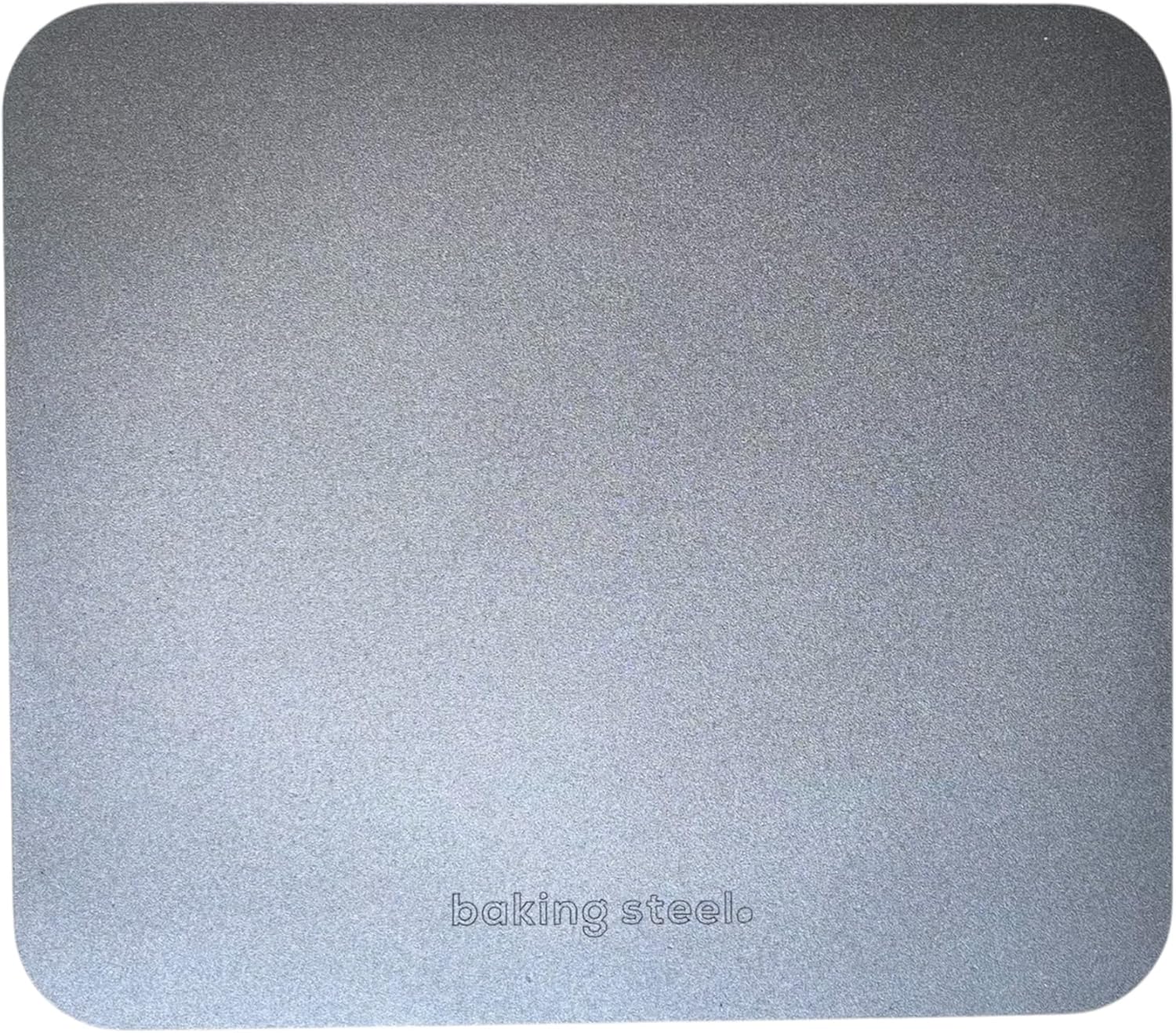
Best Baking Steel Options for Authentic Homemade Crusts
Baking steels have completely transformed how home cooks make artisan bread and pizzeria-style pies in standard kitchen ovens. Unlike traditional ceramic stones that frequently crack under intense thermal shock, solid metal plates absorb and transfer heat with remarkable efficiency, delivering deeply browned bottom crusts at lower ambient temperatures than a wood-fired brick oven requires for similar textures.
Selecting the right metal slab involves carefully considering your oven interior dimensions, preferred pie sizes, and whether you want a factory pre-seasoned finish right out of the box or a raw surface to treat yourself. These five steel options provide reliable, unbreakable alternatives for baking enthusiasts aiming to replicate professional results right in your home kitchen.
As an Amazon Associate, StacyLaughs earns from qualifying purchases.
Buying guide
Material and Conductivity
Baking steels rely on metal conductivity to transfer heat into dough much faster than traditional ceramic stones. Carbon steel absorbs high thermal energy from your oven and releases it directly into your pizza crust. This rapid heat transfer creates blistered crusts and chewy interiors. Because metal is unbreakable, thermal shock cracking is completely eliminated during intense high-temperature preheating sessions.
When choosing a metal slab, verify that the steel grade handles heat safely without warping. Low-carbon steel offers exceptional durability and responds well to seasoning. Maintaining an oil layer protects the metal and creates a low-friction surface for sliding dough. Hand washing with plain water keeps your steel clean without stripping the accumulated seasoning patina.
Thickness and Heat Retention
Thickness dictates how well a baking steel holds and distributes heat during prolonged baking sessions. A quarter-inch thickness provides the ideal balance for home ovens, storing enough thermal energy to cook consecutive pizzas without losing temperature. Thicker plates hold heat longer but require extended preheating times to reach operational temperature, while thinner options heat up faster but drop in temperature more quickly when loaded.
Assessing your typical cooking routine helps determine the right profile for your kitchen setup. If you plan to bake multiple pizzas or heavy artisan boules back-to-back, a substantial quarter-inch plate ensures steady performance. Keep in mind that increased thickness also adds significant weight, so balance your need for sustained heat retention against your physical ability to lift heavy metal plates safely.
Oven Dimensions and Fit
Measuring your oven interior before purchasing a baking steel prevents costly compatibility mistakes. You must check both the rack depth and width to ensure adequate airflow around the metal slab. Leaving clearance on all sides allows hot air to circulate properly inside the cavity, preventing uneven baking results and temperature regulation issues with your kitchen appliance.
Compact or apartment-sized ovens often accommodate square steels measuring thirteen or fourteen inches, while larger full-size ranges easily fit sixteen-inch or oversized rectangular versions. Always account for oven door clearance as well, ensuring you can load and unload dough safely without hitting the glass or interior walls during the transfer process.
Seasoning and Surface Maintenance
Caring for a baking steel involves managing its oil seasoning layer much like traditional cast iron cookware. Some plates arrive pre-seasoned for immediate use, while raw steel options require an initial oiling and oven bake to build a protective coating. This polymerized oil barrier prevents rusting and creates a smooth surface that helps sticky dough slide off effortlessly.
Cleaning your steel requires minimal effort once it cools down completely after baking. Most manufacturers recommend washing the surface by hand using warm water only, avoiding harsh soaps or abrasive scouring pads that can strip away the seasoning. Dry the steel thoroughly after washing to prevent moisture from forming surface rust over time.
Versatility Across Cooking Surfaces
Baking steels are not limited to oven-baked pizza and bread; their heavy construction performs exceptionally well across various cooking environments. You can place a steel plate directly onto outdoor barbecue grill grates to bake pizzas over open flames. Certain rectangular sizes also span multiple gas burners on a stovetop, transforming your range into a flat griddle for breakfast foods or smash burgers.
This multi-surface capability maximizes the value of your baking investment by replacing specialized griddles and outdoor stones. Because carbon steel handles direct flame without warping easily, it bridges indoor and outdoor culinary tasks. Always let the hot metal cool down naturally before moving it between cooking stations to avoid accidental burns or warping from rapid thermal shifts.
Weight and Ergonomic Considerations
Solid metal cooking plates are inherently heavy, with standard quarter-inch models often weighing between fifteen and eighteen pounds. This substantial mass is necessary for superior heat retention, but it introduces ergonomic challenges when lifting or cleaning. Consider your physical comfort and kitchen layout when selecting a steel size, especially if you store the plate vertically or hang it up.
Look for features like rounded edges, smooth finishes, or built-in hanging handles that improve grip safety during handling. A well-designed steel minimizes sharp corners that could scratch your hands or interior oven racks. Balancing heavy-duty cooking performance with manageable daily handling ensures you will use your baking steel comfortably for years to come.
Frequently asked questions
Do baking steels need to be pre-seasoned before the first use?
Some baking steel models ship factory pre-seasoned with oils like flaxseed, allowing you to start baking immediately without any preparation. Other options arrive in a raw, shot-blasted state that requires a simple initial seasoning process. To season a raw steel yourself, wash it thoroughly, apply a very thin coat of high-smoke-point cooking oil across all surfaces, and bake it upside down in your oven at a moderate temperature for about one hour. This builds a durable, non-stick patina that improves with every future bake.
How long should I preheat a baking steel before baking pizza?
For optimal results, you should preheat your baking steel inside the oven at a high temperature, typically around five hundred degrees Fahrenheit, for forty-five to sixty minutes. This extended preheating period allows the thick metal slab to absorb and store maximum thermal energy evenly. If you rush the preheating process, the steel will not transfer enough heat to the bottom of your dough quickly enough, resulting in a pale and undercooked crust instead of a crisp texture.
Can I clean my baking steel with soap and water?
Most manufacturers advise against using dish soap or harsh detergents on baking steels, as these cleaning agents can strip away the accumulated seasoning patina that protects the metal and provides a natural non-stick surface. Instead, let the steel cool down completely and wash it by hand using warm water only, scrubbing gently with a non-abrasive pad if necessary to remove food residue. Always dry the metal thoroughly with a towel immediately afterward to prevent rust formation.
Are baking steels better than traditional ceramic pizza stones?
Baking steels are generally considered superior in durability and thermal conductivity compared to traditional ceramic stones. Steel conducts heat up to twenty times faster than ceramic, directing intense thermal energy into your pizza crust for quicker and more even browning. Additionally, solid metal is virtually unbreakable and will not crack or shatter from thermal shock during high-temperature preheating, whereas ceramic stones are notoriously fragile and prone to cracking under sudden temperature changes over time.
Can I use a baking steel on an outdoor barbecue grill?
Yes, you can use a baking steel on an outdoor barbecue grill, provided the dimensions fit comfortably within your grill hood and over the burner layout. Carbon steel handles direct flame exposure and high grill temperatures without warping or cracking, making it an excellent surface for cooking pizzas or searing flatbreads outdoors. Make sure to preheat the steel properly inside the covered grill to replicate the high-heat performance of a professional wood-fired brick oven.