Appliances · Buying Guide
Best Top Rated Loaf Pans for Every Baking Project
Finding the right equipment can completely transform your baking routine, especially when you are aiming for that ideal crust and crumb on artisan loaves or sandwich breads. Bakers often search for reliable options among top rated loaf pans to ensure their recipes bake evenly and release effortlessly without sticking to the sides or bottom.
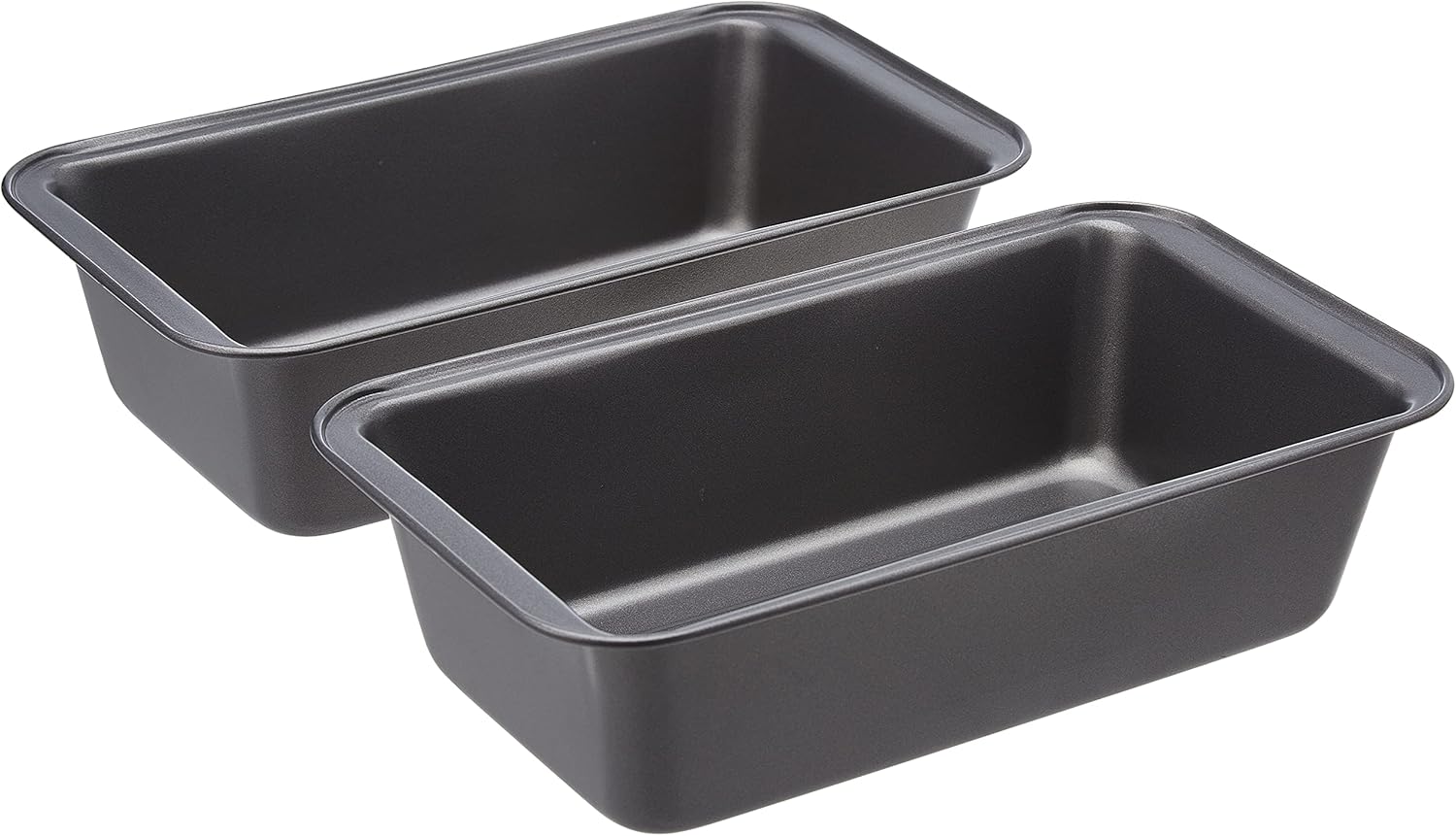
The market offers a wide variety of materials, ranging from traditional carbon steel and aluminized steel to durable borosilicate glass and heavy-duty cast iron. Each material brings unique heat distribution properties and maintenance requirements to your kitchen, making it essential to match your choice with your preferred recipes, daily cleaning habits, and storage space constraints.
As an Amazon Associate, StacyLaughs earns from qualifying purchases.
Buying guide
Material Types and Heat Performance
Selecting the ideal material forms the absolute foundation of successful bread baking in any home kitchen environment. Steel and aluminized steel pans heat up rapidly, promoting quick browning and light crusts for standard sweet and savory loaves. Aluminum offers similar lightweight handling and rapid temperature response during busy baking sessions.
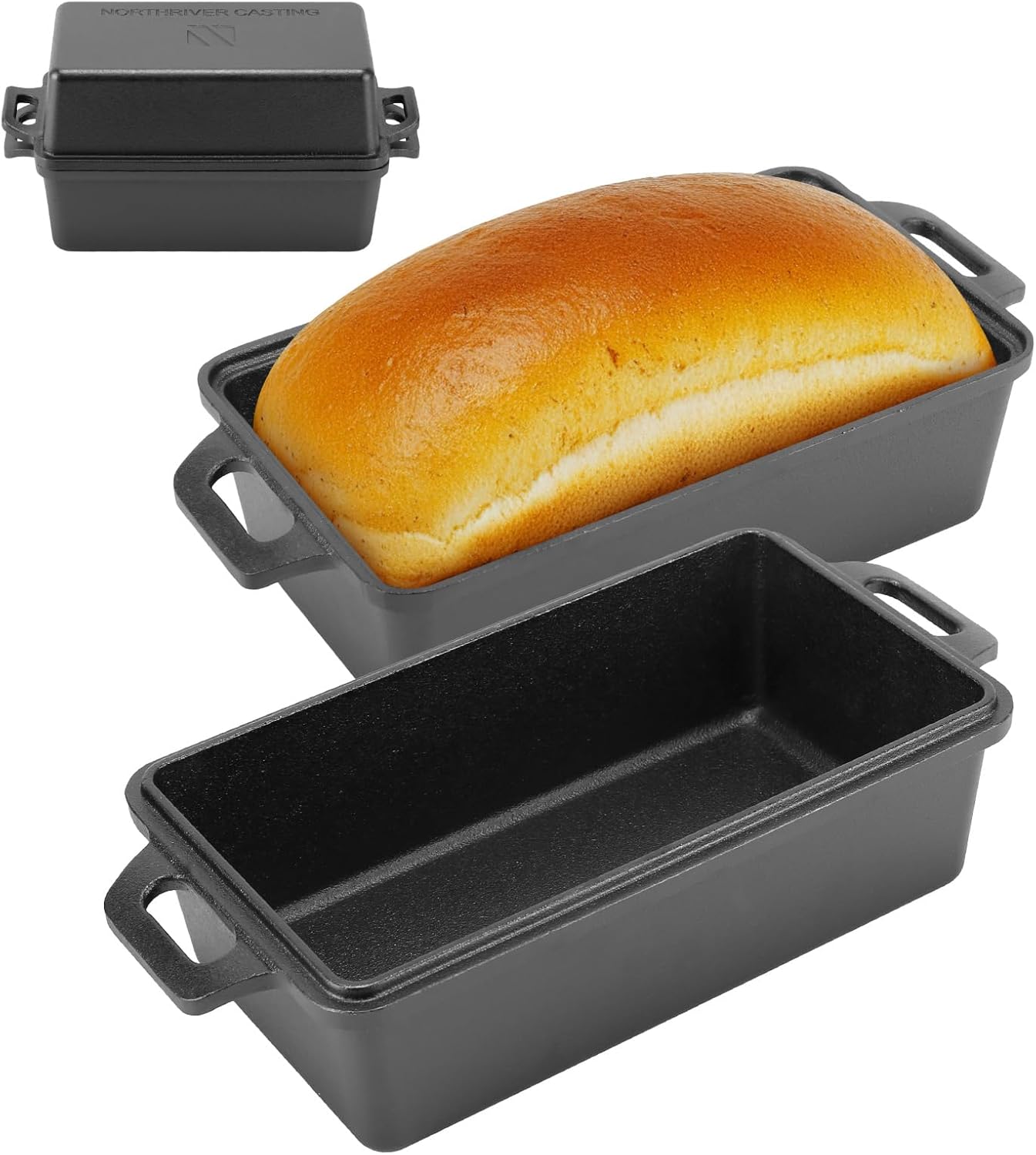
Glass provides transparent visibility and steady heat retention, though it requires minor oven temperature adjustments for optimal performance. Meanwhile, heavy-duty cast iron delivers unmatched heat distribution and creates a wonderfully crispy crust reminiscent of professional artisan bakeries. Weighing these thermal properties against your favorite recipes ensures you select a pan that consistently delivers your desired texture and crumb structure.
Nonstick Coatings and Food Release
Achieving a clean food release without damaging your baked goods is a major priority for home bakers. Modern nonstick coatings eliminate the tedious chore of greasing and flouring every nook and cranny before pouring in batter. Many steel and aluminized pans feature specialized silicone or PTFE-free coatings that allow loaves to slide out effortlessly.
When shopping, check whether the surface permits metal utensils or requires wooden and silicone scrapers to prevent scratches. While nonstick surfaces streamline cleanup significantly, proper maintenance remains essential to preserve the coating over years of frequent baking. Choosing a reliable release surface prevents torn crusts and keeps your homemade sandwich breads and pound cakes looking picture-perfect every time you invert the pan.
Sizing Dimensions and Recipe Scaling
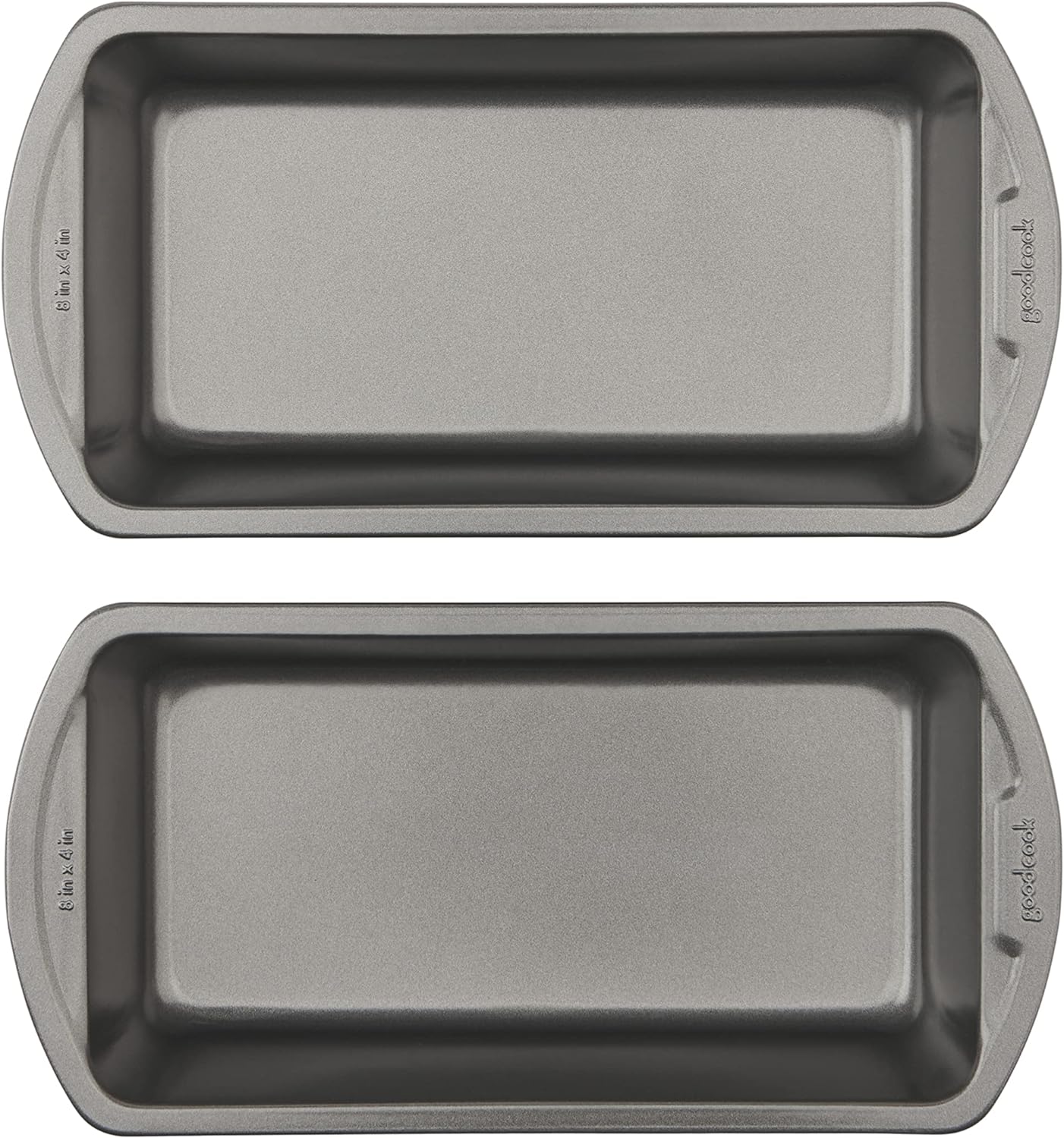
Understanding standard loaf pan dimensions prevents recipe overflow and ensures your dough proofs and bakes correctly. Common sizes range from compact 8 by 4-inch pans up to standard 9 by 5-inch options and specialized 13-inch Pullman pans. Using a pan that is too large causes dough to spread flat, while an undersized pan leads to messy spills over the rim.
Always match your specific recipe requirements with the internal capacity and dimensions of the bakeware before mixing ingredients. Standard bread recipes usually assume a 9 by 5-inch vessel, whereas smaller quick breads fit nicely into medium 8 by 4-inch pans. Careful sizing guarantees proper rise and crumb development, resulting in professional-looking loaves that slice evenly for sandwiches and French toast.
Cleaning and Maintenance Requirements
Proper cleaning and maintenance routines directly influence the lifespan of your favorite baking pans. Many coated steel and specialty cast iron options explicitly recommend hand washing with warm water and mild soap to protect their surfaces. Avoiding abrasive scrubbers prevents premature wear on delicate nonstick layers and keeps your bakeware performing reliably.
Cast iron pans require a specialized seasoning routine with cooking oils and low-heat drying after every single use to prevent rust. Conversely, certain steel and glass options offer convenient dishwasher compatibility for bakers seeking effortless cleanup after hectic meal preparations. Evaluating your willingness to perform hand washing or seasoning maintenance helps you choose bakeware that fits seamlessly into your daily lifestyle.
Storage Practicalities and Lids
Kitchen storage space often dictates which bakeware items earn a permanent spot in your cupboards. Stackable metal and cast iron pans nest neatly inside one another, conserving precious cabinet space for other culinary tools. Covered Pullman pans and lidded glass dishes offer incredible convenience for food storage, but their lids add bulk and require extra vertical clearance.
Consider whether you need integrated lids for transporting baked goods or storing leftovers directly in the refrigerator or freezer. Transparent glass dishes with secure lids streamline the transition from baking to storage without transferring food to extra containers. Assessing your available cabinet space and storage habits ensures your new loaf pans remain accessible rather than buried in the back.
Temperature Limits and Versatility
Different baking materials handle extreme heat environments differently, impacting the types of recipes you can successfully prepare. Standard steel and glass pans usually feature specified upper temperature ratings ranging from 428 up to 500 degrees Fahrenheit. Cast iron offers exceptional thermal endurance, allowing you to transition seamlessly from oven baking to stovetop or campfire cooking without missing a beat.
Reviewing maximum heat thresholds prevents warping or damage to specialized nonstick coatings and plastic storage lids during high-heat baking. Multi-use pans that transition from freezer to preheated oven provide fantastic versatility for frozen desserts, casseroles, and breads alike. Matching your cooking style and heat requirements to the proper material ensures safe, reliable performance across all your favorite baking adventures.
Frequently asked questions
How do I choose the correct loaf pan size for my bread recipe?
Selecting the proper loaf pan size depends entirely on the volume of dough your recipe yields. Most standard sandwich bread and meatloaf recipes are formulated for a 9 by 5-inch pan, which accommodates larger portions comfortably. If you are baking smaller quick breads, banana bread, or scaled-down casseroles, an 8 by 4-inch pan prevents the mixture from spreading too thin. Always check your recipe notes before baking to ensure the batter fills the pan adequately without risking messy overflows or underbaked centers in your oven.
Are glass loaf pans better than metal pans for baking bread?
Glass and metal pans offer distinct advantages depending on your preferred baking style and crust goals. Metal pans heat up rapidly, promoting quick browning and light crusts ideal for traditional sandwich breads and pound cakes. Glass retains heat exceptionally well and allows you to monitor browning through the transparent sides, but it typically requires lowering your oven temperature by 25 degrees Fahrenheit. Neither material is universally better; your choice depends on whether you prefer the rapid response of steel or the transparent heat retention of borosilicate glass.
Can I put my nonstick loaf pans in the dishwasher?
Dishwasher compatibility varies significantly depending on the specific manufacturer guidelines and materials of your loaf pan. While some steel pans feature dishwasher-safe construction for quick cleanup, many brands strongly recommend hand washing with warm water and mild soap. Running coated metal pans through automated dishwashers can degrade nonstick surfaces and shorten their functional lifespan over time. Always verify the manufacturer care instructions before placing any bakeware in the dishwasher, and prioritize gentle hand washing when recommended to preserve the coating integrity.
Why does cast iron require special maintenance for bread baking?
Cast iron loaf pans deliver unmatched heat distribution and create exceptionally crispy crusts for artisan sourdough and crusty sandwich loaves. However, unlike modern nonstick steel or glass, cast iron requires manual hand washing, thorough drying with low heat, and regular seasoning with cooking oils. Skipping these maintenance steps can lead to rust formation and cause food to stick during future baking sessions. While seasoning demands a bit of extra effort after each use, proper care ensures your cast iron bakeware lasts for generations of reliable home baking.
What is the purpose of a covered Pullman loaf pan?
A covered Pullman loaf pan is specifically designed to bake traditional square-topped sandwich breads, pain de mie, and delicate milk breads. The fitted lid traps steam inside the baking chamber as the dough rises, forcing the bread to fill every corner and create a flat top with a remarkably thin crust. This enclosed design prevents domed crowns, resulting in uniform square slices that fit perfectly into standard toasters and make picture-perfect sandwich slices. Removing the lid during the final baking stage can also help achieve deeper crust browning.