Appliances · Buying Guide
Best Unbleached Flour for Sourdough Starter and Baking Success
Selecting the right unbleached flour for sourdough starter maintenance and daily baking requires understanding how different wheat types and milling styles perform. Bakers often look for specific protein structures or organic certifications to match their baking routines, whether crafting crusty artisan loaves or everyday sandwich breads.
The market offers various multi-pack configurations ranging from standard bread flours to heritage grains like einkorn. Evaluating these options based on pack counts, organic status, and milling characteristics helps ensure a steady supply for refreshing your starter and baking delicious homemade recipes.
As an Amazon Associate, StacyLaughs earns from qualifying purchases.
Buying guide
Grain Type and Wheat Variety
Choosing the correct grain type influences both your sourdough starter vitality and final baked goods. Options range from standard hard red winter wheat to ancient heritage grains like einkorn. Each variety brings distinct characteristics to your kitchen, affecting fermentation rates and flavor profiles. Understanding these botanical differences helps match flour selections to specific bread styles.
Heritage grains often feature unique nutritional profiles and unhybridized structures that behave differently during mixing and kneading. Modern wheat varieties offer predictable elasticity and gas retention suited for airy crusts. Evaluating how different grains interact with wild yeasts ensures consistent results whether you are maintaining a starter or baking artisan loaves.
Protein Content and Gluten Strength
Protein content plays a foundational role in determining dough elasticity and structural development. Flours with higher protein percentages build stronger gluten matrices, which trap fermentation gases effectively to yield well-risen loaves. Sourdough starters often thrive on these robust proteins, using them as fuel during regular feeding cycles and extended fermentation periods.
All-purpose flours offer balanced protein levels suitable for tender pastries and general cooking alongside basic baking tasks. Bread flours provide the enhanced strength needed for chewy crusts and high-hydration doughs. Assessing your intended recipes guides you toward the optimal protein balance for your baking goals.
Organic Certification and Purity
Organic certifications assure buyers that the wheat was cultivated without synthetic fertilizers or prohibited pesticides. Many home bakers prefer certified organic unbleached flours to nurture natural sourdough starters without chemical residues interfering with wild yeast activity. These options align with specific agricultural standards and land stewardship practices.
Reviewing product labels for verified non-GMO status and allergen disclosures provides additional clarity regarding purity. Some specialty flours also emphasize being free from artificial bleaching agents or chemical bromates. Selecting pure, minimally processed ingredients supports a clean baking approach focused on traditional flavors and wholesome components.
Packaging Formats and Storage Space
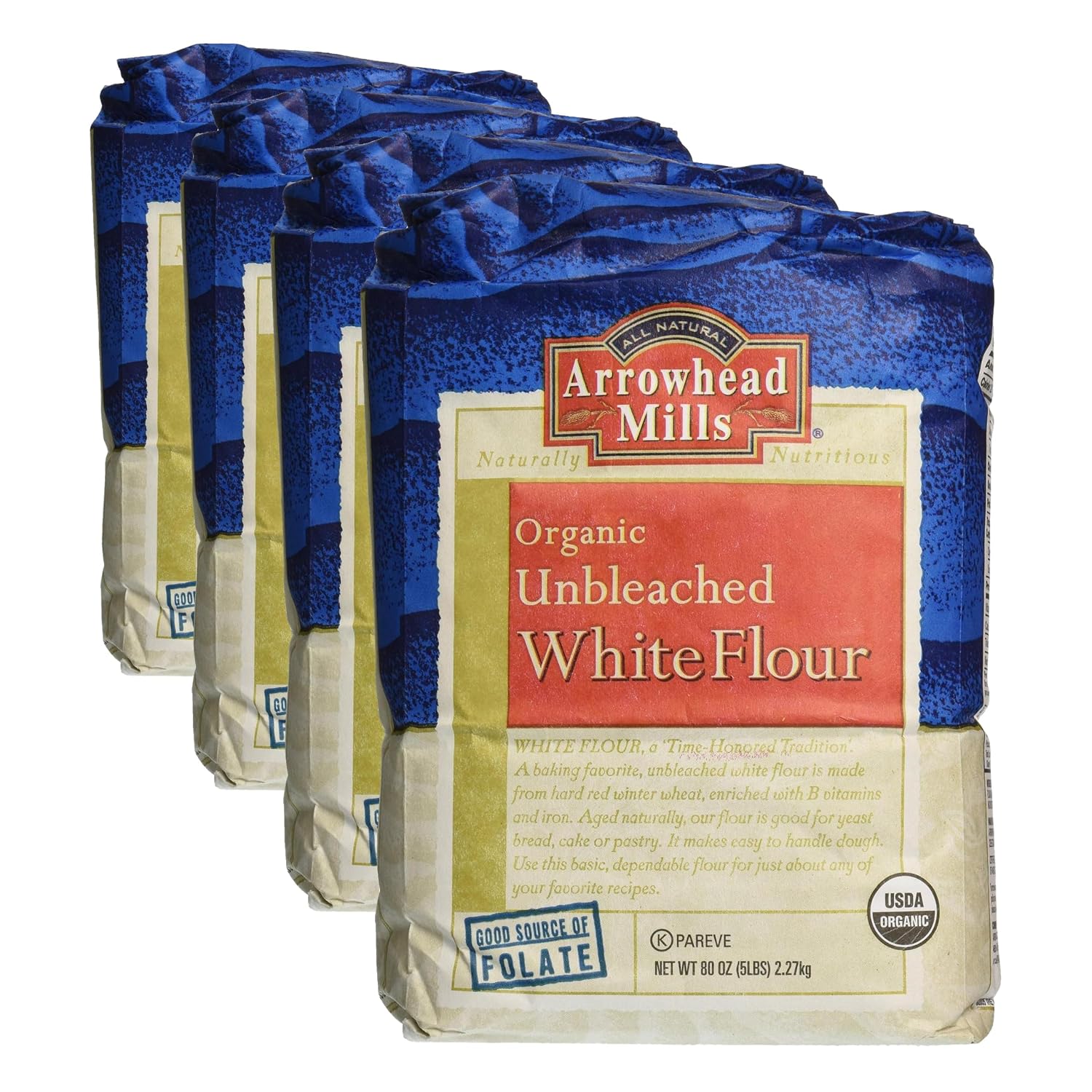
Flour is frequently sold in multi-pack configurations, such as dual five-pound bags or bulk ten-packs, affecting how you manage pantry inventory. Buying in multi-pack quantities often ensures a steady supply for frequent sourdough feedings and large baking sessions without constant reordering. However, these larger quantities demand dedicated shelf space.
Evaluating your available kitchen storage capacity prevents clutter when handling multiple heavy bags or boxes. Proper storage in airtight containers protects bulk flour from moisture and pests, preserving freshness over extended periods. Matching your purchasing volume to your actual consumption rate keeps your baking ingredients fresh.
Milling Style and Pre-Sifted Options
Milling styles and preparation methods influence how flour absorbs liquids and integrates into dough mixtures. Pre-sifted options eliminate initial clump-breaking steps, streamlining the measuring and mixing process for both novice and experienced bakers. This convenience saves time during routine kitchen preparation and recipe execution.
Stone-milling or roller-milling techniques also impact the texture and retention of natural grain components. Fine grinds produce silky textures suited for delicate pastries, while coarser milling preserves robust characteristics ideal for rustic hearth breads. Considering these processing details helps achieve the desired crumb structure.
Nutrient Enrichment and Additives
Many unbleached flours undergo enrichment processes to restore essential nutrients like iron and B vitamins lost during milling. These added components contribute to the overall nutritional profile of your daily bread and baked goods. Checking ingredient lists clarifies whether vitamins have been added to the base wheat.
Other flours maintain a simpler profile without enrichment, relying solely on the inherent nutrients present in the grain. Understanding these distinctions allows you to select products that align with your nutritional preferences and dietary requirements. Balancing enrichment with natural grain properties ensures informed pantry stocking.
Frequently asked questions
Can I use unbleached all-purpose flour to feed a sourdough starter?
Yes, unbleached all-purpose flour works effectively for feeding and maintaining a sourdough starter. The wild yeasts and beneficial bacteria consume the starches and proteins present in the flour to generate fermentation activity. While bread flour offers higher protein for structural elasticity, all-purpose varieties provide a balanced nutrient source that supports regular daily feedings and keeps your starter active and bubbly without requiring specialized high-gluten blends.
Why is unbleached flour preferred over bleached flour for baking?
Unbleached flour undergoes a natural aging process rather than chemical whitening treatments, allowing it to retain more of its original protein structure and flavor characteristics. Bakers often choose unbleached options because the lack of chemical agents supports natural yeast fermentation in sourdough starters. Additionally, unbleached flours provide consistent results in bread dough development, helping achieve optimal rise, texture, and crumb structure in artisanal and everyday baked goods alike.
How should I store multi-pack purchases of flour at home?
Storing multi-pack flour purchases requires keeping the packages in a cool, dry, and dark location to maintain freshness and prevent moisture absorption. Transferring the flour from original bags into airtight food-grade containers helps protect against pantry pests and environmental humidity. If you manage large quantities from dual-bag or bulk multi-packs, keeping secondary packages sealed until needed ensures the remaining flour stays fresh for future baking sessions and starter maintenance routines.
What is the difference between bread flour and all-purpose flour for sourdough?
Bread flour contains a higher protein concentration, which develops a stronger gluten network necessary for chewy crusts and open crumb structures in artisan bread. All-purpose flour features a lower protein content, resulting in a more tender crumb suitable for general baking, pizza crusts, and softer loaves. Both flours support sourdough starters, but your choice depends on the specific textural qualities and elasticity you desire in your final baked goods.
Can I consume raw flour products before baking?
Raw flour must be thoroughly cooked before consumption and should never be eaten in an uncooked state. Milling grain into flour involves harvesting wheat from outdoor agricultural fields where it may encounter environmental bacteria or other natural contaminants. Baking, boiling, or otherwise thoroughly cooking recipes containing flour ensures any potential pathogens are completely eliminated, making the final food items safe to eat for you and your household during routine meal preparation.