Appliances · Buying Guide
Best Pastry Cutter Tools for Homemade Baking and Dough Prep
Baking fresh bread, pasta, and pies at home requires specific tools to handle different types of dough efficiently. A good pastry cutter can streamline tasks like slicing uniform noodles, crimping ravioli edges, or cutting cold butter into flour for flaky crusts. Different designs serve unique purposes, from single rolling wheels to multi-blade expandable cutters and specialized wire blenders.
Selecting the right implement depends on the specific baking projects you tackle regularly. Whether you need to weave intricate lattice tops or portion out consistent pastry strips, understanding the build and design of each option helps match the tool to the task. The following selections cover various physical attributes and specialized configurations designed for everyday kitchen use.
As an Amazon Associate, StacyLaughs earns from qualifying purchases.
Buying guide
Material Composition and Durability
Selecting a pastry cutting tool involves evaluating the primary materials used in the handle and blades. Stainless steel offers high resistance to rust and provides clean edges for continuous dough slicing. Aluminum frames often pair with wooden handles, delivering lightweight handling for detailed stamping tasks. Understanding how these materials interact with moisture helps maintain the tool over time.
Manufacturers specify various finishes, such as mirror-finish stainless steel or coated metals, to enhance food release and cleanup. Evaluating the build quality ensures the frame withstands pressure when cutting chilled ingredients or dense doughs. Matching the material to your cleaning preferences, whether hand washing wood components or utilizing dishwasher-safe metal parts, supports long-term kitchen utility.
Wheel Size and Blade Configuration
The physical dimensions of cutting wheels directly influence how much dough you can process in a single motion. Smaller wheels, measuring under two inches, provide high maneuverability for detailed curves, individual ravioli edges, and intricate pastry stamps. Larger multi-wheel setups span broad areas, allowing cooks to slice multiple uniform strips simultaneously for noodles or lattice strips without adjusting placement.
Blade configurations also vary between straight edges for clean cuts and fluted edges for decorative crimping. Choosing between a single rolling disc and an expandable multi-blade frame depends on your frequent baking requirements. Reviewing the physical width and blade count prevents purchasing a tool that is either too narrow for large sheets or too bulky for small batches.
Handle Ergonomics and Grip Comfort
Comfortable handles reduce hand and wrist fatigue during extensive baking sessions involving tough or chilled dough. Ergonomic wooden grips offer a natural feel for detailed stamping tasks, while thick rubber handles absorb downward pressure when blending cold butter into flour. Evaluating the grip shape ensures secure handling, especially when dealing with slippery flour residue or butter during preparation.
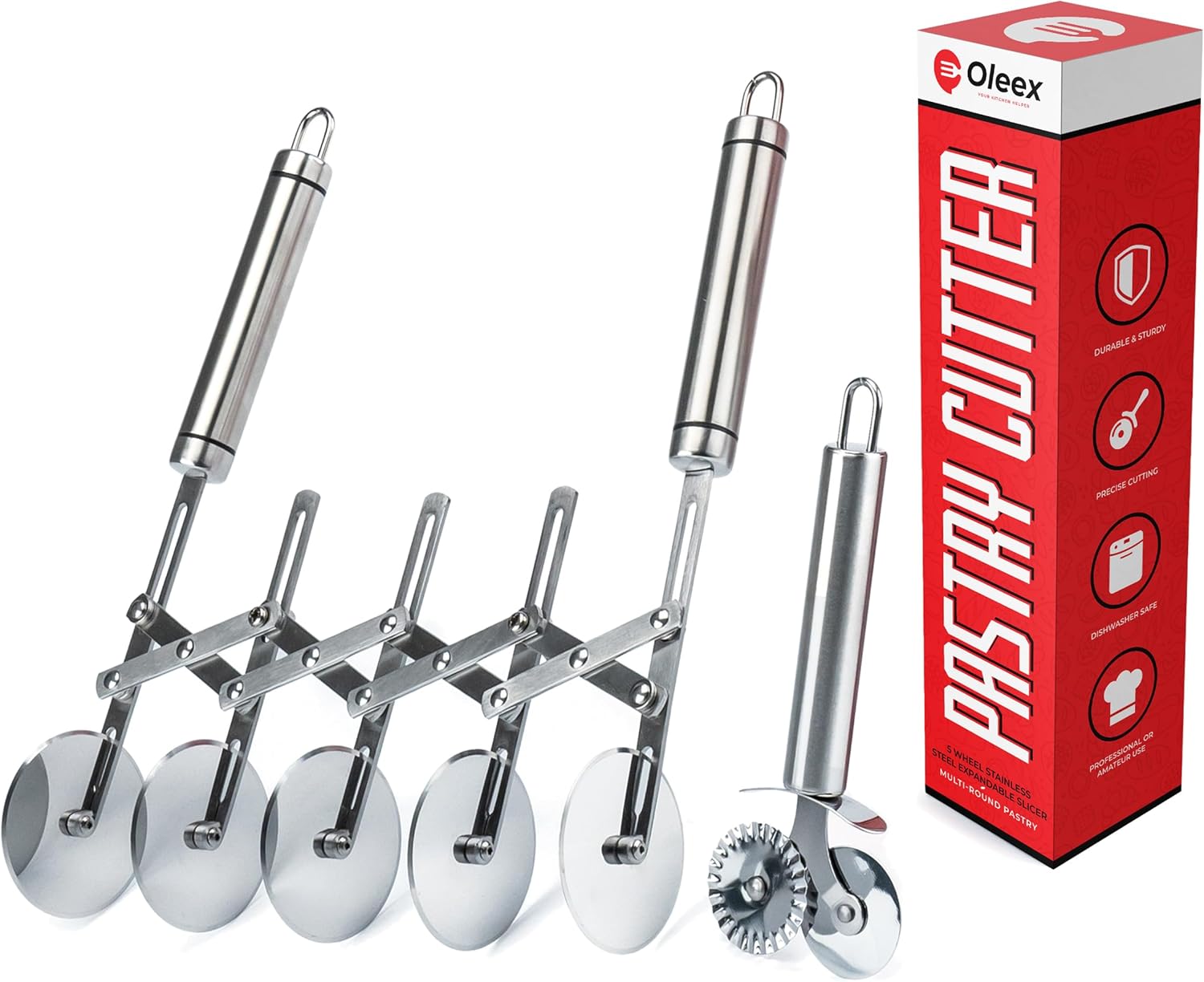
Multi-wheel cutters often feature dual end handles rather than a single central grip to distribute pressure evenly across wide frames. This design prevents hand slippage and improves control during high-volume slicing work. Prioritizing handle comfort helps maintain steady pressure, ensuring clean, straight cuts across various pastry and pasta types without causing muscle strain.
Maintenance and Cleaning Requirements
Proper cleaning routines preserve the functionality and appearance of pastry tools over years of kitchen use. Stainless steel models often allow for dishwasher cleaning, simplifying post-baking cleanup after handling sticky dough or oily crusts. Tools incorporating wood components generally require hand washing to protect the handle material from water damage and warping during routine maintenance.
Some multi-wheel assemblies include tightening mechanisms, such as allen wrenches, to secure loose blades after repeated use. Periodic checks and adjustments ensure the wheels remain properly aligned for accurate cutting performance. Reviewing manufacturer care guidelines helps prevent premature wear, keeping your pastry cutters clean, functional, and ready for your next baking project.
Task Specificity and Versatility
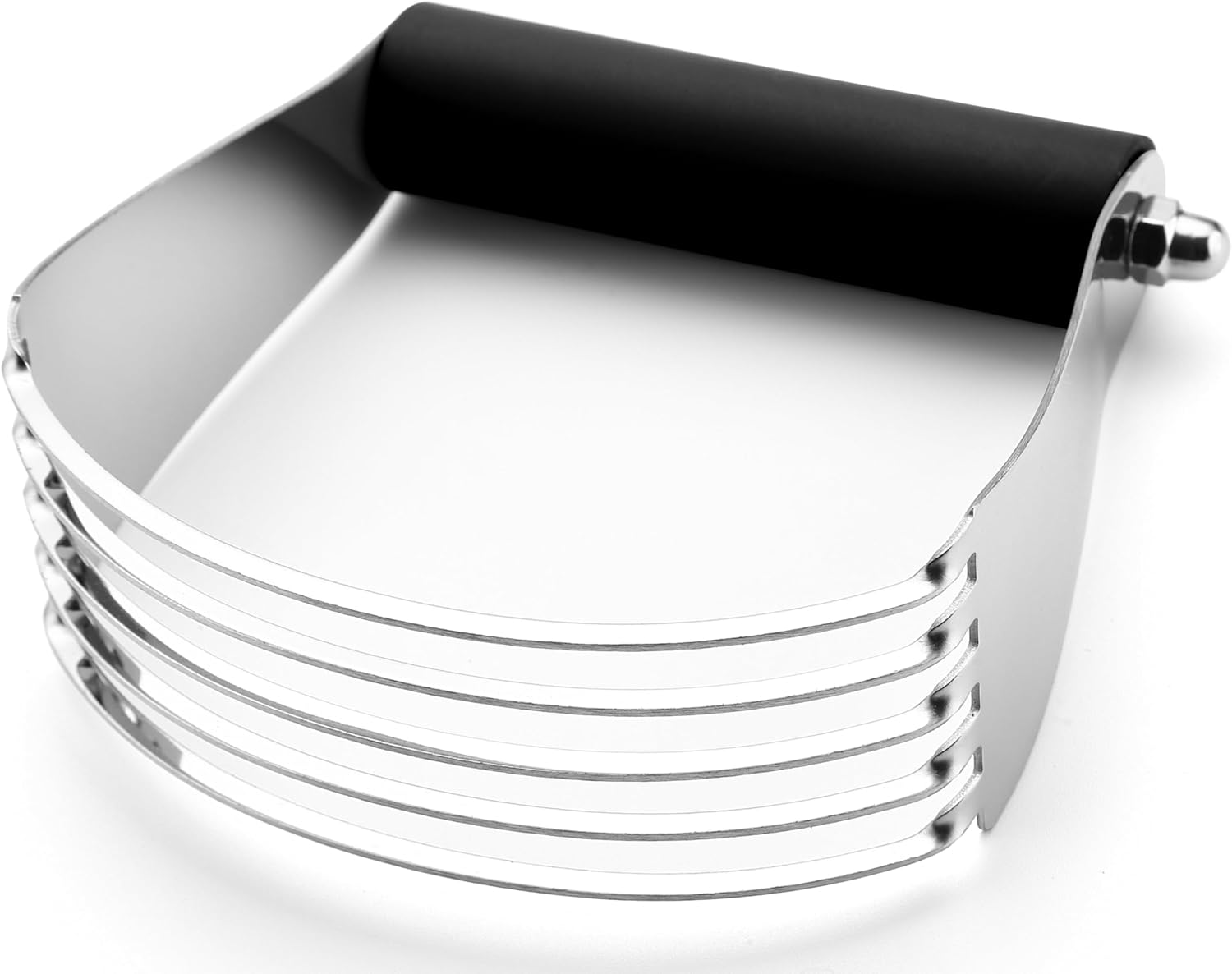
Different pastry tools excel at specific culinary tasks, ranging from crimping pasta edges to rolling intricate lattice crusts. Specialized dough blenders utilize thick metal wires to cut fat into flour efficiently, producing flaky textures in pie crusts and biscuits. Meanwhile, rotary wheels and lattice rollers focus on shaping, cutting, and decorating flat sheets of dough for pies and baked goods.
Assessing your typical baking repertoire helps determine whether a dedicated single-purpose tool or a versatile multi-wheel set fits your needs. While specialized stamps handle individual dumplings and ravioli effectively, broad lattice rollers transform entire pie crusts in a single rolling pass. Selecting tools based on your primary recipes ensures practical utility in everyday kitchen environments.
Storage Considerations and Dimensions
Physical dimensions and overall footprint dictate how easily a pastry cutting tool fits into standard kitchen storage spaces. Compact single-wheel cutters take up minimal drawer space, hanging or resting easily alongside standard kitchen utensils. In contrast, wide multi-wheel assemblies or broad dough blenders require designated clearance within drawers or cabinets due to their extended width and handle profiles.
Considering your available storage space prevents clutter and protects delicate edges or exposed blades from damage. Tools with locking mechanisms or compact frames store more securely in tight kitchen environments. Reviewing the stated item dimensions alongside your storage setup ensures the chosen implement integrates smoothly into your kitchen workflow without creating storage challenges.
Frequently asked questions
How do I choose between a single pastry wheel and a multi-wheel cutter?
Choosing between a single wheel and a multi-wheel cutter depends primarily on your typical baking projects and batch sizes. A single wheel provides exceptional maneuverability for cutting individual ravioli, decorative pastry stamps, or curved dough shapes with precision. Conversely, a multi-wheel cutter features several blades mounted together, allowing you to slice multiple uniform strips, noodles, or brownies simultaneously in a single motion. If your baking focuses on large quantities of uniform strips, a multi-wheel tool saves time, whereas single wheels suit detailed craft work.
Can pastry blenders be used for tasks other than cutting butter?
Pastry blenders are primarily designed with thick metal blades to cut cold butter or shortening into flour and sugar for flaky doughs, but they handle several other food preparation tasks effectively. The sturdy metal wires can chop soft vegetables, fruits, and nuts, or mash ingredients like avocados for guacamole and boiled eggs for egg salad. While they excel at blending fats for baking, their robust pressing action makes them versatile enough to assist with mashing soft foods and mixing various kitchen ingredients during meal preparation.
Are stainless steel pastry tools dishwasher safe?
Many pastry tools constructed entirely from stainless steel offer dishwasher-safe convenience, allowing for quick and straightforward cleanup after messy baking sessions involving flour and dough. However, tools that combine stainless steel blades with wooden handles or specialized frames generally require careful hand washing to protect the wood from moisture damage, warping, or cracking over time. Always check the specific manufacturer guidelines provided with your tool to determine the correct cleaning method and maintain the longevity of both the metal and handle components.
What is the purpose of a fluted edge on a pastry wheel?
The fluted edge found on many pastry and ravioli wheels serves both functional and decorative purposes during baking preparation. As you roll the wheel across dough, the notched pattern presses and seals the edges of items like ravioli, empanadas, and turnovers to prevent fillings from leaking out during cooking. Additionally, the fluted design leaves a decorative pattern on pastry crusts, cookies, and pasta edges, enhancing the visual presentation of homemade baked goods without requiring extra manual shaping steps.
How do I maintain an expandable multi-wheel pastry cutter?
Maintaining an expandable multi-wheel pastry cutter involves regular cleaning after use and occasional checks of the blade alignment mechanism. Because these multi-blade tools feature adjustable screws or expandable frames, some sets include specialized tools like allen wrenches to tighten the wheels if they loosen over extended periods of slicing. Keeping the blades clean, dry, and correctly adjusted ensures smooth expansion and precise cutting performance whenever you prepare large batches of noodles, pastry strips, or brownies in your kitchen.