Appliances · Buying Guide
Best Vintage Green Mixing Bowl Options for Classic Kitchens
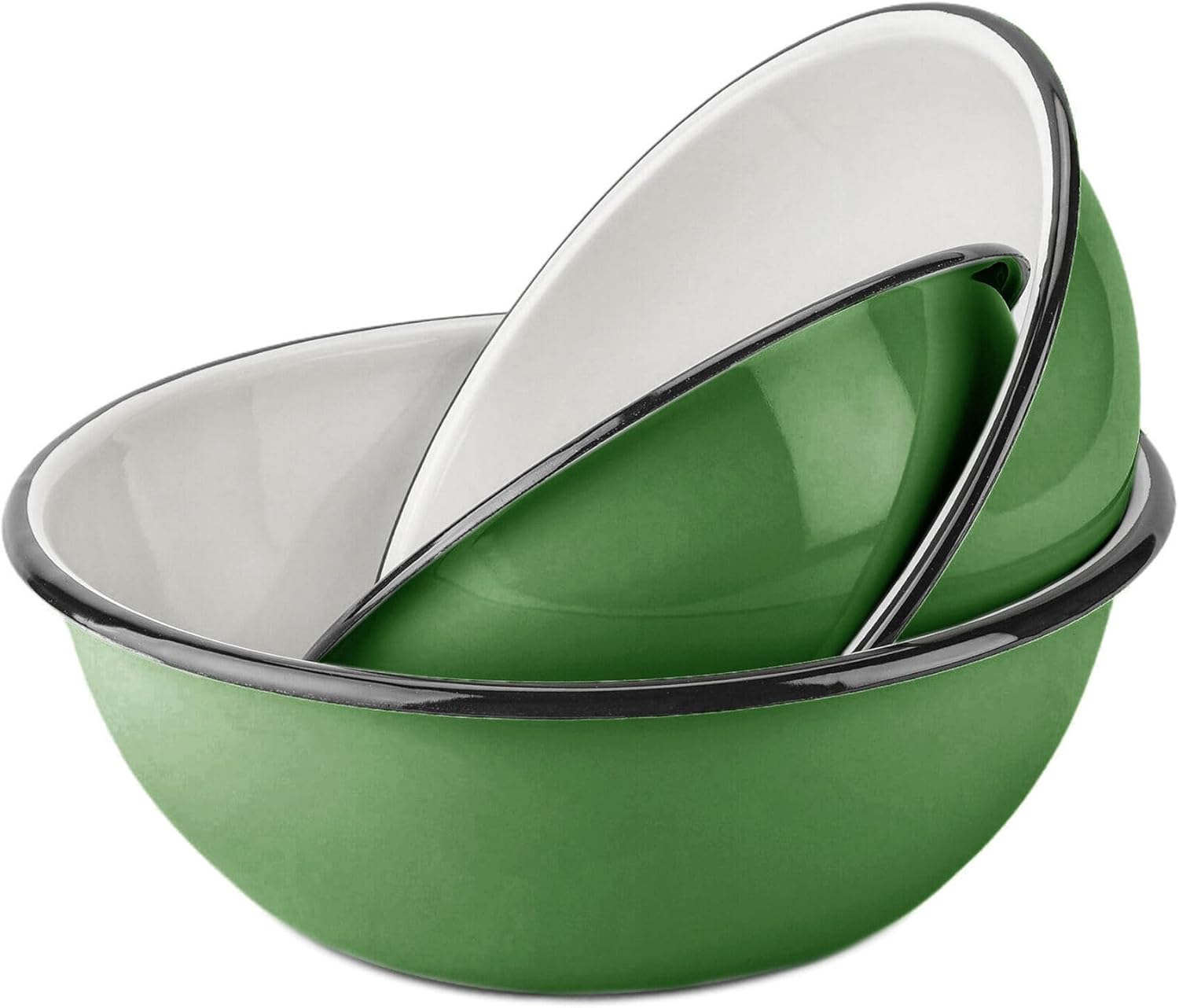
Choosing a vintage green mixing bowl brings timeless charm and reliable utility to your daily baking and cooking routines. Whether you prefer the rustic appeal of enamel-coated metal or the substantial weight of glazed stoneware, these green kitchen essentials effortlessly blend nostalgic aesthetics with everyday food preparation tasks across your countertop.
Finding the ideal set involves balancing material durability, storage convenience, and your specific cooking habits. From direct stovetop heating to microwave-safe ceramic finishes, understanding each bowl's unique physical traits helps you select a piece that looks beautiful on open display while performing reliably meal after meal without unnecessary complications.
As an Amazon Associate, StacyLaughs earns from qualifying purchases.
Buying guide
Material Composition and Durability
Choosing the correct material for your vintage green mixing bowl heavily influences how you cook, bake, and clean. Options range from traditional enameled steel and lightweight coated metals to heavy-duty stoneware and classic glass. Enamel-coated metal provides shatterproof resilience and direct heat capabilities over campfires or stovetops, making it ideal for rustic or outdoor cooking environments. Meanwhile, dense ceramic and stoneware offer superior thermal retention and a polished, glass-like finish that resists everyday scratches.
Understanding these material distinctions prevents accidental damage during food preparation. While ceramic and stoneware options frequently support microwave and oven use, enameled steel models typically restrict microwave heating entirely. Evaluating your standard kitchen appliances ensures your chosen material integrates seamlessly without creating unexpected workflow limitations or safety hazards during busy baking sessions.
Capacity and Sizing Options
Mixing bowl capacities dictate the scale of food preparation tasks you can comfortably accomplish. Smaller bowls measuring under two quarts excel at whipping dressings, beating individual eggs, or holding measured ingredients. Mid-sized vessels ranging from two to four quarts handle standard cake batters and side salads efficiently. Extra-large bowls exceeding four quarts provide ample room for kneading heavy bread dough or tossing large family-sized salads without spilling contents over the rim.
Multi-piece sets typically offer graduated sizing to cover diverse culinary needs within a single purchase. Selecting a set with varied dimensions ensures you always have an appropriately proportioned container on hand. Assess your typical household portion sizes and favorite baking projects before committing to specific bowl dimensions to avoid purchasing oversized vessels that clutter counters or undersized bowls that restrict mixing.
Storage and Nesting Design
Kitchen cabinet space is often limited, making nesting designs an essential consideration for multi-bowl sets. Bowls engineered to stack neatly inside one another drastically reduce the footprint required for storage. This space-saving attribute allows you to own multiple graduated sizes without sacrificing precious shelf real estate. Whether storing them in upper kitchen cabinets or stacking them inside the refrigerator to chill ingredients, nesting capabilities maximize your available storage layout efficiently.
Beyond cabinet organization, lightweight stackable options offer exceptional portability for outdoor gatherings or camping trips. Evaluating how compactly a collection stores helps keep your kitchen counters uncluttered and organized. Prioritize nesting sets if your storage areas are tight, ensuring your kitchen remains functional and tidy regardless of how many individual bowls your collection includes.
Cleaning and Maintenance Requirements
Maintaining your vintage green mixing bowl properly preserves its appearance and structural integrity over years of use. Many modern stoneware and enameled options feature dishwasher-safe construction, removing the chore of manual scrubbing after messy baking sessions. Non-porous glazed surfaces naturally resist stubborn liquids, food stains, and lingering odors, keeping your bowls sanitary and fresh. However, specific materials demand careful handling to prevent surface damage from harsh cleaning tools.
Enameled steel models require avoiding abrasive metal sponges that can scratch or dull the exterior finish. Similarly, textured ceramic surfaces need thorough rinsing around decorative raised patterns to eliminate trapped food residue. Reviewing manufacturer care guidelines guarantees that your chosen cleaning routine maintains the decorative charm and functional durability of your favorite kitchen bowls for the long term.
Heat Source Compatibility
The versatility of a mixing bowl often extends beyond basic preparation when it supports various heat sources. Enamel-coated metal bowls shine by accommodating direct stovetops, ovens, grills, and even open campfires, allowing you to cook directly in the vessel. On the other hand, stoneware and ceramic selections frequently provide safe utility inside conventional ovens and microwaves, facilitating quick ingredient melting or dish warming right on the countertop.
Matching bowl capabilities to your cooking habits prevents frustrating operational restrictions. If you frequently need to transfer ingredients from counter mixing straight into an oven or microwave, select microwave-safe and oven-safe ceramic pieces. Conversely, avoid using non-microwave-safe metal or enameled steel bowls inside microwave appliances to protect your kitchen equipment and ensure safe food preparation every single time.
Ergonomics and Handling Features
Physical handling comfort significantly impacts your experience when mixing heavy batters or pouring liquid ingredients. Bowls equipped with integrated side handles and specialized pouring spouts make transferring mixtures into baking pans much cleaner and easier. Textured exterior patterns, such as embossed hobnail designs, offer a secure, non-slip grip that helps maintain control even when your hands are slightly damp or greased during intense baking preparation.
Weight also plays a vital role in everyday usability. While dense stoneware provides wonderful stability on the countertop, it adds substantial weight that requires more effort to lift when full. Weighing the benefits of ergonomic handles and textured grips against overall bowl weight helps you choose a product that feels comfortable and balanced during active cooking tasks.
Frequently asked questions
Can I use enameled steel vintage green mixing bowls in the microwave?
No, enameled steel and metal-based mixing bowls are explicitly not microwave safe. Placing metal objects inside a microwave can cause dangerous sparking and damage your appliance. If you require microwave-safe heating capabilities for melting butter or warming ingredients, you should select ceramic or stoneware mixing bowl alternatives instead. Always verify the manufacturer specifications and material properties before attempting to use any bowl inside a microwave or active heating environment to ensure complete household safety.
Are these vintage green mixing bowls dishwasher safe?
Yes, the vast majority of vintage green mixing bowls featured in these selections are designated as dishwasher safe by their respective manufacturers. Stoneware, ceramic, and enameled metal options can generally be placed directly into standard household dishwashers for convenient cleanup after messy baking and cooking sessions. However, you should always follow specific care instructions, such as avoiding abrasive metal sponges on enameled steel surfaces, to preserve the smooth exterior finish and prevent long-term cosmetic wear.
How do I store nesting mixing bowls to save space?
Nesting mixing bowls are specifically engineered to stack neatly inside one another, allowing the entire set to occupy the footprint of the largest single bowl. To store them efficiently, place the largest bowl at the bottom of your cabinet stack and sequentially nest smaller sizes upward. This space-saving design drastically reduces cluttered shelf real estate in your kitchen. Additionally, you can utilize this stacking capability inside refrigerators to keep multiple prepped ingredients organized without wasting valuable cold storage space.
What are the advantages of choosing stoneware over metal bowls?
Stoneware mixing bowls offer distinct advantages, including substantial weight for countertop stability during vigorous mixing, microwave and oven safety, and non-porous glazed surfaces that resist stains and lingering food odors. Unlike metal alternatives, high-fired stoneware can transition seamlessly from baking in an oven to serving food directly on the dining table. Furthermore, their decorative exterior finishes, such as embossed textures or reactive glazes, provide an aesthetically pleasing farmhouse charm that elevates open kitchen display shelves.
Can enameled metal bowls be used on open campfires?
Yes, specific enamel-coated metal bowls are crafted to withstand high temperatures and can be used safely on direct fires, campfires, grills, ovens, and all types of stovetops. This robust thermal resistance makes enameled metal sets exceptionally versatile for outdoor cooking, camping trips, and rustic kitchen environments. However, you must always exercise caution when handling hot metal vessels after exposure to open flames, using appropriate protective mitts to prevent burns during outdoor meal preparations.