Appliances · Buying Guide
Best Vintage Pink Pyrex Mixing Bowls For Classic Kitchen Prep And Storage
Finding reliable mixing bowls for everyday baking and meal preparation can completely transform how you handle various ingredients in your home kitchen. Glass cookware offers remarkable durability and natural resistance to lingering food odors or stubborn stains, making it an absolute staple for home cooks who value lasting quality and dependable daily performance across multiple recipes.
Exploring options inspired by classic kitchen aesthetics brings vintage charm directly to modern countertops. Sculpted designs and tinted glass variants provide essential functional utility alongside nostalgic visual appeal, ensuring your kitchenware works efficiently while maintaining a timeless look during daily food preparation, serving, and secure storage tasks.
As an Amazon Associate, StacyLaughs earns from qualifying purchases.
Buying guide
Evaluating Bowl Capacity and Sizing
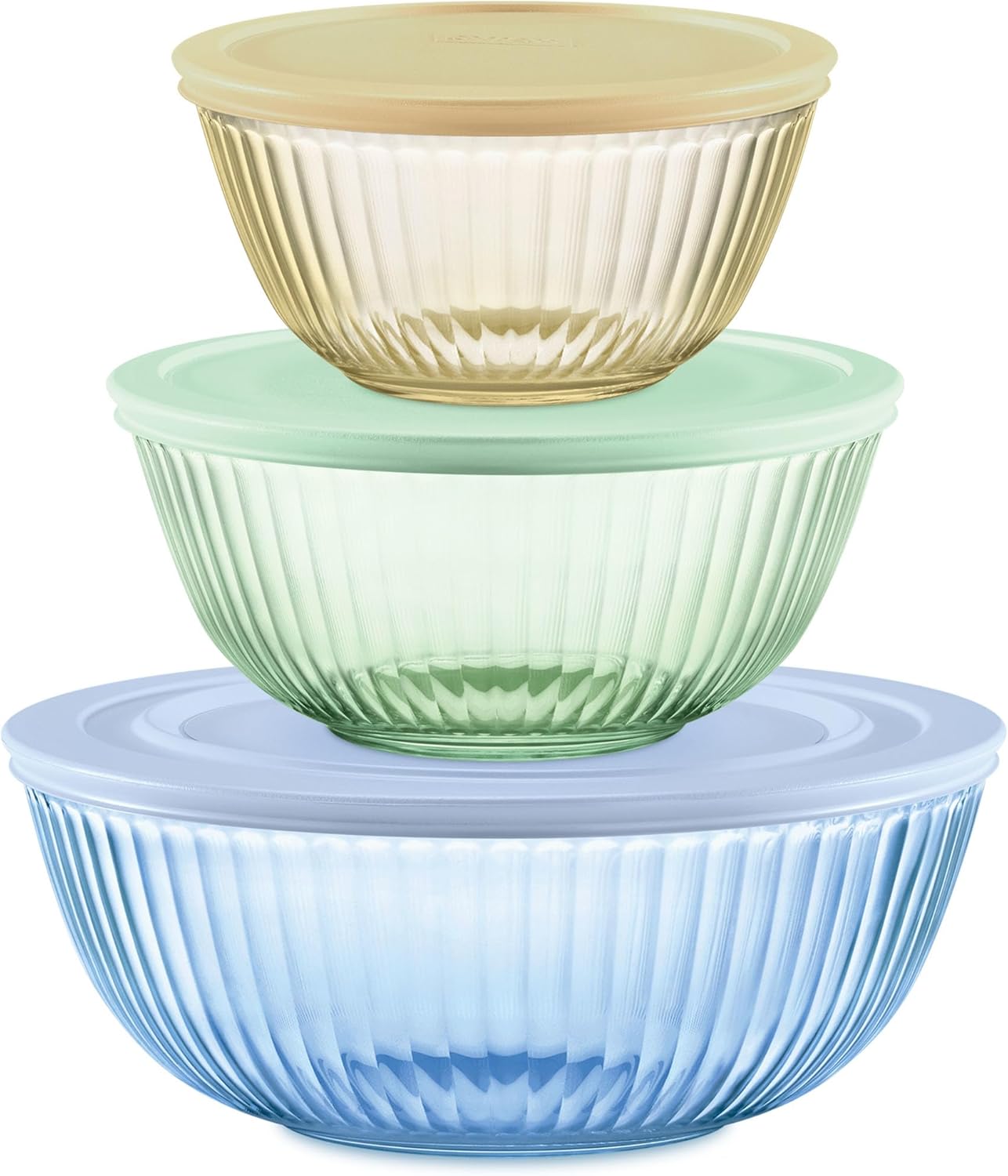
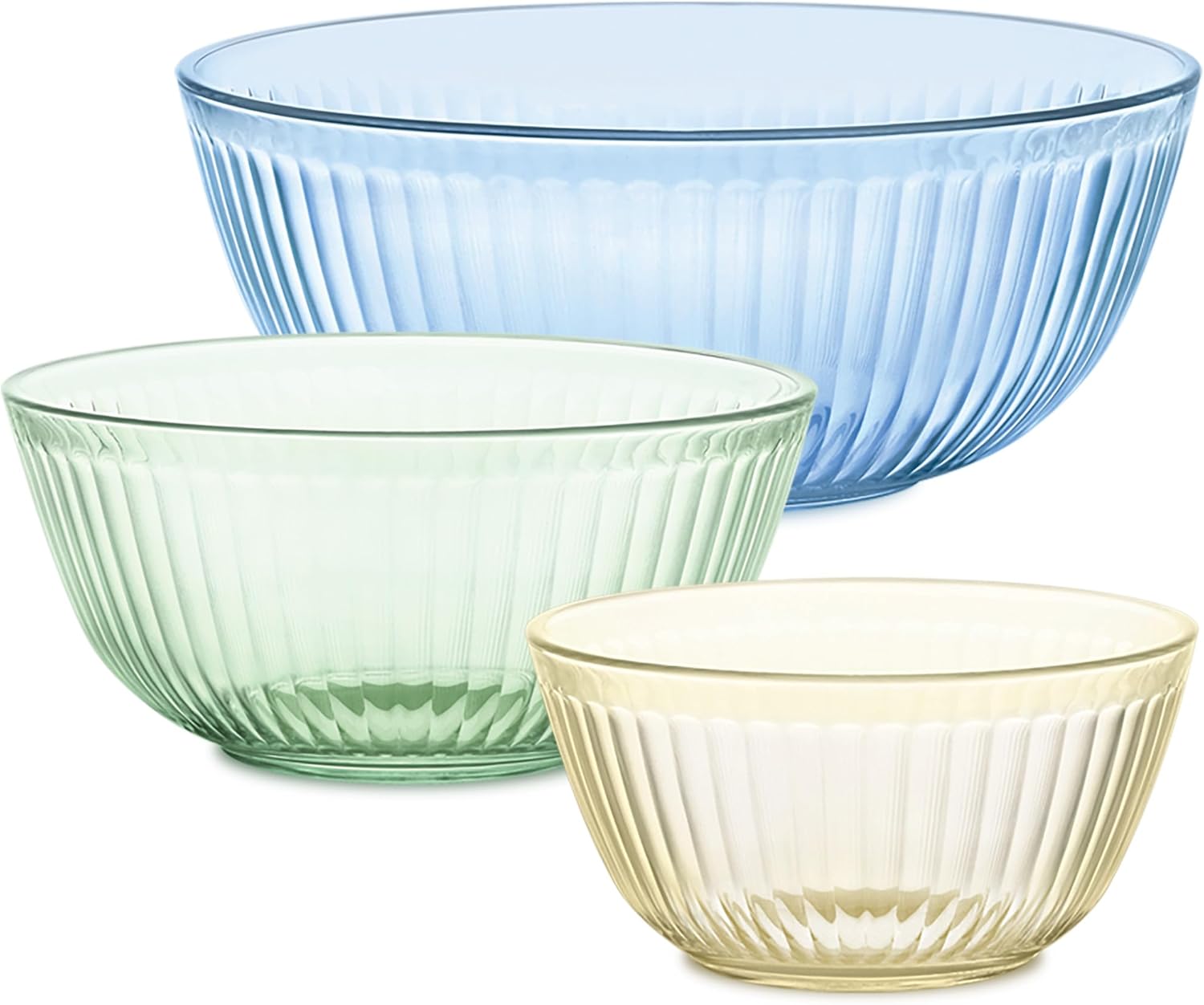
Choosing the right bowl capacity depends heavily on the types of recipes you prepare most frequently. Smaller 1.3-quart bowls work exceptionally well for whisking eggs, mixing dressings, or holding chopped herbs during active cooking sessions. Medium and large options, such as 2.3-quart and 4.5-quart variants, provide ample room for tossing salads, kneading bread dough, or combining heavy cake batters without messy spills.
Consider your typical serving sizes and storage habits when selecting a multi-piece set versus a single bowl. Nesting sets maximize your available cabinet space by allowing smaller bowls to fit neatly inside larger ones. Evaluating your daily recipe volume ensures you select glassware that handles your heaviest mixing tasks comfortably.
Understanding Glass Versus Plastic Materials
Tempered glass serves as the foundational material for durable kitchen mixing bowls due to its strength and thermal resilience. Unlike traditional plastics, non-porous glass naturally resists absorbing food odors, stubborn grease, and tomato-based stains through years of heavy use. This ensures your mixing vessels remain pristine and neutral tasting recipe after recipe.
While glass adds noticeable weight compared to lightweight plastic alternatives, it provides superior stability on countertops during vigorous whisking or stirring. The sturdy construction also allows safe transitions from room temperature prep work into microwave heating or refrigerator chilling without compromising structural integrity.
The Role of Matching Lids and Storage
Selecting bowls equipped with matching plastic lids bridges the gap between food preparation and refrigerator storage. BPA-free covers create a secure, airtight environment that keeps leftover ingredients fresh and ready for later use. This eliminates the need to transfer food into separate storage containers after mixing or baking.
When evaluating lidded sets, check whether the covers are designated as microwave and freezer safe for maximum convenience. Keep in mind that plastic components typically require top-rack dishwasher placement to prevent warping, whereas the glass bowls withstand standard bottom-rack cleaning cycles without issue.
Design Aesthetics and Tinted Finishes
Aesthetics play a significant role when selecting kitchenware inspired by vintage styles and retro color palettes. Tinted glass bowls add a charming decorative touch that elevates food presentation when serving directly from the table to guests. Sculpted exterior ridges further enhance grip while offering a distinct visual texture.
Keep in mind that specific glass coloration can sometimes vary slightly across manufacturing batches. If maintaining a uniform vintage pink aesthetic across all kitchen accessories is important to your home decor, reviewing individual product specifications ensures your kitchenware meets your visual expectations.
Maintenance and Cleaning Practicalities
Proper maintenance preserves the clarity and durability of tempered glass mixing bowls over years of daily service. Most quality glass bakeware is dishwasher safe, allowing effortless removal of sticky dough, heavy batter, and dried food residues. Following manufacturer cleaning guidelines prevents accidental surface damage.
For lidded variants, washing plastic covers on the top dishwasher rack protects them from excessive heating elements. Avoiding abrasive scouring pads on tinted glass exteriors helps maintain the polished finish and vibrant color appearance throughout the lifespan of your kitchenware collection.
Matching Bowls to Your Cooking Style
Your personal cooking and baking habits should ultimately dictate your glassware selection. Dedicated bakers often benefit from multi-pack unlidded sets that provide various sizing tiers for dry and wet ingredients simultaneously. Home cooks focused on meal prep and leftovers find greater utility in complete sets featuring airtight lids.
Assessing whether you need stackable open bowls or lidded storage units prevents unnecessary kitchen clutter. By aligning product features like capacity, lid inclusion, and material resilience with your daily kitchen routine, you secure reliable tools that simplify meal creation.
Frequently asked questions
Can I put glass mixing bowls straight into the microwave?
Tempered glass mixing bowls are generally designed to handle microwave warming tasks safely during food preparation. However, you should always verify specific manufacturer guidelines before exposing glassware to sudden temperature shifts. When using bowls with plastic lids in the microwave, ensure the lid is placed loosely or explicitly rated as microwave-safe to prevent pressure buildup during heating.
Are plastic lids included with all vintage-style Pyrex bowl sets?
Not all mixing bowl sets include plastic lids. Certain configurations are sold as unlidded multi-packs focusing exclusively on the glass basins for baking and prepping, while other bundles explicitly include matching BPA-free plastic covers for airtight refrigerator storage. Always check the specific product inclusions before purchasing if you require covers for storing leftovers.
How do I prevent stains and odors from absorbing into my glass bowls?
Tempered glass features a naturally non-porous surface that inherently resists absorbing food stains, oils, and lingering odors. This makes glass superior to traditional plastic containers for handling pungent ingredients like garlic, onions, and tomato sauces. Regular cleaning in the dishwasher easily maintains the fresh, neutral condition of the glass basins.
What is the best way to clean and maintain plastic storage lids?
Plastic lids accompanying glass mixing bowls should be washed on the top rack of your dishwasher to protect them from high heat elements that can cause warping. Avoiding harsh metal scouring pads ensures the BPA-free plastic remains smooth and maintains a secure, airtight fit on your mixing bowls over extended periods of daily use.
Do stacked glass bowls take up a lot of cabinet space?
Glass mixing bowl sets featuring a nesting design are specifically engineered to stack inside one another, significantly reducing the footprint required in your kitchen cabinets. While storing multiple capacities together saves horizontal shelf space, you should ensure your shelving has adequate vertical clearance to accommodate larger bowls like the 4.5-quart size.