Appliances · Buying Guide
Best Vintage Stainless Steel Mixing Bowls for Home Bakers
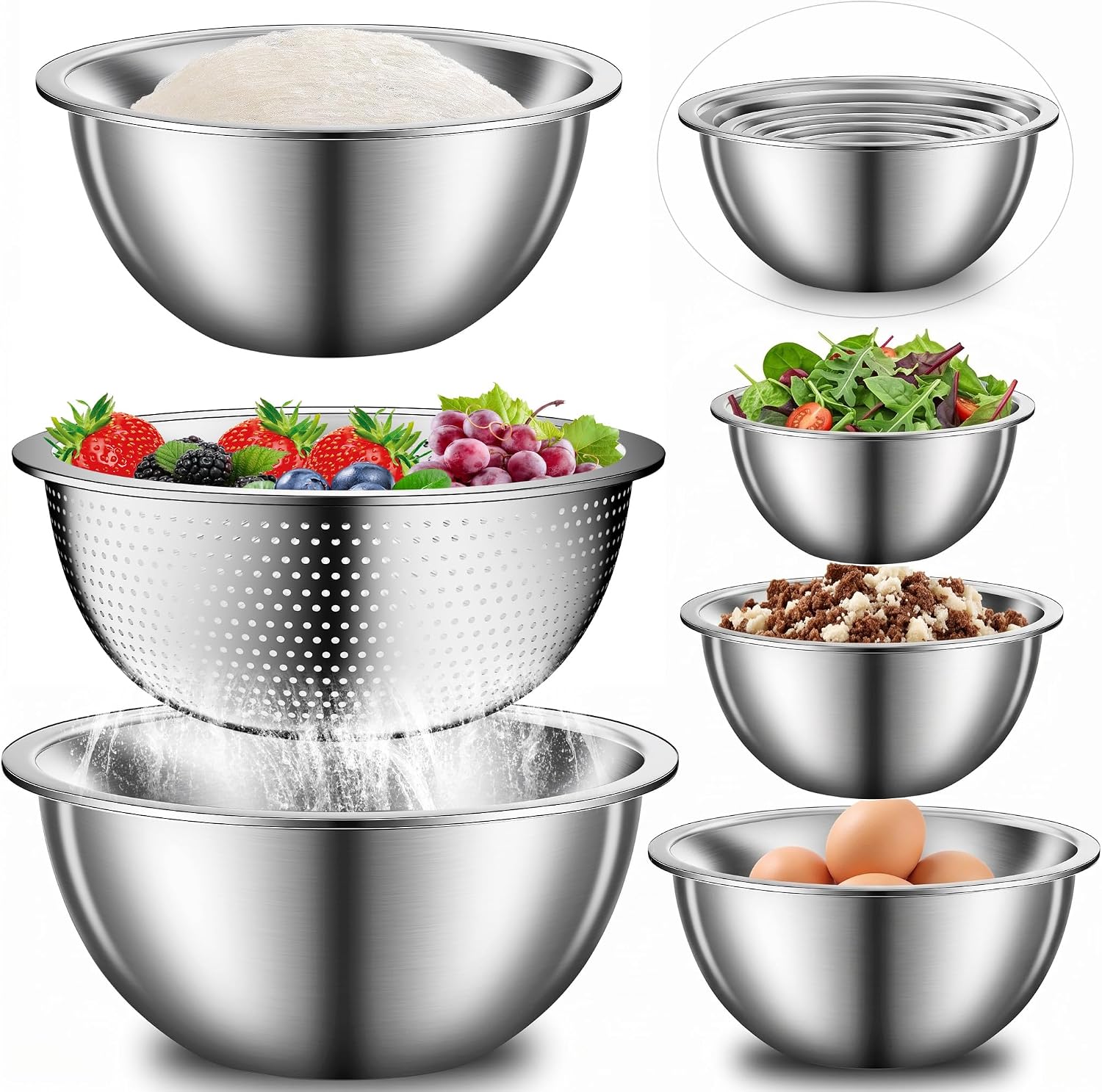
Finding the right set of vintage stainless steel mixing bowls transforms everyday kitchen routines, baking projects, and meal preparation tasks across any busy household. Metal kitchen options offer a durable, rust-resistant surface that easily handles vigorous whisking, heavy dough kneading, and safe food storage without absorbing stubborn food odors or stains over years of frequent use in active cooking environments.
Whether you need compact nesting designs for small apartments or expansive multi-piece collections equipped with airtight lids and specialized grater attachments, modern metal bowl sets deliver exceptional versatility for home chefs. Evaluating capacity ranges, non-slip base stability, and dishwasher compatibility ensures you select dependable prep tools tailored specifically to your daily cooking, baking, and serving habits.
As an Amazon Associate, StacyLaughs earns from qualifying purchases.
Buying guide
Capacity Range and Sizing Options
Selecting the right mixing bowl set starts with carefully evaluating your typical cooking and baking volume requirements. Smaller capacities around one to two quarts easily handle whisking eggs, whipping small amounts of cream, or measuring dry spices. Mid-sized vessels between three and four quarts comfortably accommodate standard cake batters, homemade salad dressings, and vegetable tossing without overcrowding your kitchen workspace.
Large five-quart bowls provide ample room for kneading heavy bread doughs or tossing large family-sized salads without spilling ingredients over the rim. Choosing a multi-size collection ensures you always have an appropriately proportioned vessel for every single recipe stage, from initial ingredient prep to final serving tasks.
Base Stability and Counter Traction
Maintaining complete stability during vigorous mixing prevents messy kitchen spills and eliminates the frustrating need to hold bowls steady with one hand during food prep. Silicone bases offer reliable traction on smooth stone, wood, or laminate countertops, effectively absorbing lateral motion during heavy stirring, beating, and high-speed whisking tasks.
Alternatively, brushed metal anti-slip bases provide dependable stability while remaining completely integrated into the steel structure without relying on separate rubber components. Evaluating your preferred mixing intensity, recipe types, and counter surface texture helps determine whether silicone rings or textured metal bottoms best support your daily kitchen routine and recipe preparation habits.
Storage Convenience and Lids
Storage efficiency matters greatly in busy home kitchens where available cabinet space is frequently limited by existing cookware collections and countertop appliances. Clever nesting bowl designs allow multiple vessels to stack neatly inside one another, consuming minimal shelf footprint compared to storing traditional standalone bowls separately across different kitchen cupboards.
Furthermore, including airtight plastic or matching stainless lids transforms standard prep bowls into versatile food storage containers for convenient refrigerator meal preservation, stacking, and safe transport. Consider whether you genuinely need secure snap-on covers for safeguarding leftovers or prefer open nesting sets dedicated strictly to active mixing and baking workflows every single day.
Cleaning and Maintenance Requirements
Proper cleaning routines maintain the long-term appearance and hygienic quality of stainless steel kitchenware over years of regular baking and cooking use in active homes. Most standard metal bowls support convenient automatic dishwasher sanitation, but specialized exterior coatings, decorative PVD finishes, or plastic storage lids often require manual hand-washing to prevent warping or decorative finish degradation over time.
Additionally, thoroughly drying brushed or mirror-polished steel surfaces with a soft clean cloth immediately prevents water spots and mineral buildup after cleaning. Following manufacturer care instructions carefully ensures your mixing bowls retain their structural integrity and attractive surface finish for countless future recipes and meal preparations.
Material Durability and Construction
Premium food-grade stainless steel provides an exceptionally durable, rust-resistant working surface that naturally resists staining and avoids absorbing stubborn food odors over time during daily meal preparation and baking routines in busy kitchens.
Reinforced bowl construction offers superior dent and warp resistance when kneading stiff bread doughs, whipping heavy batters, or handling demanding culinary ingredients. Choosing thicker metal gauges ensures your mixing bowls remain perfectly round even after years of vigorous manual stirring and heavy kitchen use, delivering dependable performance across daily baking, marinating, and serving tasks without compromising structural strength or long-term product reliability.
Additional Prep Features and Attachments
Modern mixing bowl sets frequently include helpful integrated features like built-in colanders or specialized lid attachments designed specifically for grating, shredding, and slicing fresh vegetables directly into the vessel. These multifunctional accessories significantly reduce the need for extra cutting boards and separate strainers during busy meal preparation routines in active home kitchens.
Carefully evaluating whether you will regularly utilize built-in graters or colanders helps you choose a streamlined set or an all-inclusive prep system. Matching included accessories to your specific cooking habits maximizes the practical value of your kitchenware investment without cluttering your kitchen cabinets with extra unneeded or rarely used tools over time.
Frequently asked questions
Can stainless steel mixing bowls go in the dishwasher?
Most stainless steel mixing bowls support dishwasher sanitation, allowing the metal vessels to return to storage or active recipe prep with minimal effort. However, manufacturer care instructions frequently advise hand-washing any accompanying plastic storage lids, silicone bases, or specialized decorative finishes. High heat cycles inside standard dishwashers can warp plastic components or degrade exterior coatings over extended periods. Reviewing specific product guidelines ensures your mixing bowls and associated accessories maintain their structural integrity and polished appearance throughout years of regular kitchen use.
Do stainless steel mixing bowls slide around on countertops during whisking?
Standard metal mixing bowls can slide across smooth countertops when you mix or whisk ingredients vigorously. To counter this, many modern sets incorporate non-slip silicone bottoms or textured brushed metal bases that grip work surfaces and absorb lateral motion without scratching stone or wood. If a chosen bowl set features a smooth base, placing a damp towel underneath the vessel provides stability and prevents unwanted movement while you beat eggs, whip cream, or knead bread dough during recipe preparation.
Are stainless steel bowls safe for storing food in the refrigerator?
Food-grade stainless steel bowls provide a safe, rust-resistant surface for temporary food storage, mixing, and marinating. Many comprehensive bowl sets include matching airtight plastic or stainless lids that snap securely onto the rims to keep ingredients and leftovers fresh inside the refrigerator. If your preferred set does not include fitted lids, covering the bowls with standard silicone stretch lids or plastic wrap ensures your prepared meals remain protected against spills and airborne contaminants during storage.
What size stainless steel mixing bowl is best for general baking?
Mid-sized mixing bowls ranging between three and four quarts offer the most versatile capacity for general baking projects, standard cake batters, and everyday cooking tasks. These medium vessels provide ample room for combining ingredients, tossing salads, and whipping creams without overflowing your workspace. Pairing a mid-sized bowl with smaller options for measured spices and a larger five-quart vessel for heavy dough kneading creates a well-rounded kitchen prep collection tailored to virtually any recipe requirement.
How do I prevent water spots on stainless steel mixing bowls?
Preventing water spots on stainless steel mixing bowls requires thorough manual drying with a soft, clean cloth immediately after washing and rinsing. Leaving metal bowls to air dry can allow mineral deposits from tap water to leave faint spots on brushed or mirror-polished surfaces. Regularly drying your kitchenware promptly preserves the lustrous finish and dent-resistant quality of the steel, ensuring your mixing bowls maintain an attractive appearance for every cooking and baking session.