Appliances · Buying Guide
Best Vintage Tupperware Mixing Bowls for Classic Kitchen Prep
Choosing kitchen vessels that stand the test of time often leads home cooks toward classic designs. These dependable food preparation items bring a familiar charm to daily meal assembly while offering practical utility for various tasks, from mixing large batches of holiday dough to storing crisp greens and leftover family meals securely in the refrigerator between uses.
Finding the right containers involves looking closely at physical dimensions, material compositions, and storage capabilities. Whether organizing dry ingredients or transporting prepared foods across town, understanding these distinct attributes helps ensure your selection matches your everyday routines without adding unnecessary clutter to your kitchen cabinets or sacrificing valuable counter space during busy cooking sessions.
As an Amazon Associate, StacyLaughs earns from qualifying purchases.
Buying guide
Assessing Material Composition
Choosing kitchen vessels made from durable, bpa free plastic ensures your food preparation tools withstand frequent washing and everyday handling. These materials provide a lightweight alternative to heavier ceramic or glass bowls, making them much easier to maneuver when carrying heavy batches of ingredients across the kitchen floor. Furthermore, modern plastic formulations maintain structural integrity over years of regular use without cracking under normal operating conditions.
When evaluating your options, verify that the chosen plastic formulation is rated for dishwasher cleaning to simplify your post meal cleanup routines. Avoid exposing these traditional plastic containers to extreme heat sources like stovetops or conventional ovens, as they are strictly engineered for mixing, serving, and standard refrigerator storage rather than thermal cooking applications. Following these simple maintenance guidelines helps preserve the appearance and longevity of your selected containers.
Understanding Capacity Requirements
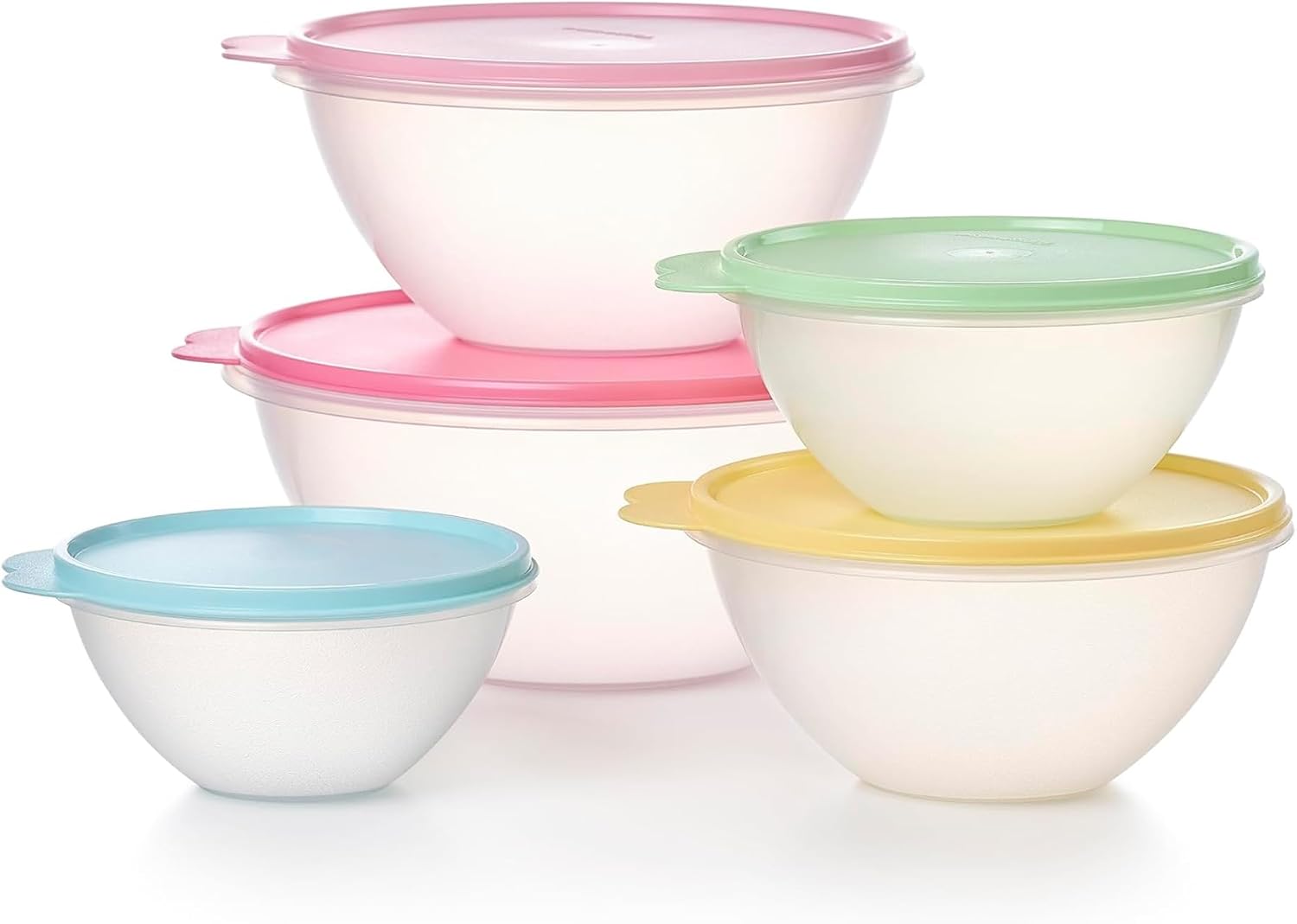
Selecting the correct volumetric capacity is essential for matching your cooking habits with the right kitchen vessel. Large twenty six cup or six point two liter bowls accommodate oversized baking projects, holiday dough preparation, and generous party salads with ease. Smaller multi piece sets offer lower capacities, such as five hundred milliliters, which excel at organizing minor ingredients, portioning individual snacks, or storing leftover portions neatly in the refrigerator without taking up excess shelf room.
Consider the scale of your usual meal preparation tasks before investing in a specific bowl size. Purchasing a vessel that is too large for your daily needs creates unnecessary storage challenges in cramped kitchens. Choosing containers with inadequate volume leads to frustrating spills and multiple batches. Balancing your typical recipe volumes with appropriate container specifications ensures efficient workflow and prevents unnecessary kitchen clutter.
Evaluating Seal Mechanisms
Secure closure systems are a hallmark of classic food storage containers, helping keep contents fresh for extended periods. Look for designs featuring center press closures that create virtually airtight and liquid tight barriers with a simple downward push. These intuitive seals prevent messy leaks when transporting prepared dishes to family gatherings, outdoor picnics, or potluck dinners across town, giving you peace of mind during travel.
Inspect how the lids interact with the rim of the bowl to ensure a snug fit that withstands everyday handling. Lids that require excessive force can slow down your prep work, while overly loose seals fail to protect stored foods effectively. Choosing models with well engineered snap closures strikes the right balance between effortless opening, reliable freshness preservation, and dependable spill prevention during refrigerator storage.
Maximizing Cabinet Storage
Kitchen organization depends heavily on how efficiently your food preparation vessels store away when not in active use. Nesting bowl sets provide a tremendous advantage by allowing smaller containers to slide completely inside larger companion pieces, drastically reducing the physical footprint required inside your kitchen cabinets. This smart design strategy keeps your shelves tidy and eliminates the frustrating search for matching components during busy cooking sessions.
When dealing with single oversized bowls, consider their wide top diameters and nesting limitations before making a final purchasing decision. Wider bowls require dedicated shelf space or careful vertical stacking arrangements if compatible lids allow. Measuring your available cabinet depth and height beforehand ensures that large twelve inch mixing bowls fit comfortably without jamming doors or crowding your other essential cookware items.
Maintaining Dishwasher Safety
Proper cleaning routines protect your investment in classic kitchenware and maintain hygiene standards over years of dependable service. Most quality plastic mixing bowls feature dishwasher safe construction, allowing you to place them securely on the top or bottom rack depending on manufacturer recommendations. This automated cleaning capability saves valuable time after preparing messy baking ingredients, heavy bread doughs, or oil based dressings.
Always review specific maintenance guidelines to ensure long term durability for both bowls and matching seals. Avoid utilizing abrasive scrubbers or sharp metal utensils that can scratch plastic surfaces and dull the vibrant exterior colors. Sticking to soft sponges and mild detergents preserves the smooth finish of your containers, keeping them looking vibrant and operating reliably throughout countless meal preparation and storage cycles.
Selecting Everyday Color Styles
Aesthetic appeal adds a delightful touch of retro charm to modern culinary spaces, making food preparation feel more engaging and cheerful. Classic collections often feature iconic pastel shades, vibrant teal blues, sunny harvest yellows, or rich vineyard reds that coordinate beautifully with retro or contemporary kitchen decors alike. Choosing colors that complement your existing kitchen theme transforms utilitarian storage tools into attractive display pieces.
Beyond mere visual appeal, distinct color options can help you categorize different food items or assign specific bowls to particular household tasks. Bright exterior finishes make these vessels easy to spot on crowded pantry shelves or busy refrigerator interiors. Evaluating how these retro colorways fit into your overall kitchen aesthetic ensures you enjoy both practical utility and pleasing visual style every single day.
Frequently asked questions
Can these vintage style mixing bowls be used in the microwave or freezer?
Manufacturer guidelines explicitly state that these plastic bowls should not be used in the freezer or microwave. Exposing these traditional containers to extreme thermal environments can warp the plastic composition, compromise the structural integrity of the bowls, and ruin the precision fit of the matching seals. To ensure maximum longevity, stick strictly to using these versatile vessels for room temperature food preparation, mixing ingredients, serving snacks, and storing cold items safely within your standard refrigerator.
How do you clean and maintain these plastic mixing bowls properly?
These containers feature dishwasher safe construction, allowing for convenient cleanup after messy food preparation tasks. However, you should always wash them thoroughly before initial use. To preserve the smooth plastic surfaces and vibrant exterior colors, avoid using sharp or metal utensils that can scratch or gouge the material. Stick to gentle cleaning tools and mild dish soaps during hand washing, and follow standard dishwasher loading practices to keep both your bowls and matching lids in pristine condition over years of use.
Are the seals on these bowls truly liquid tight and airtight?
Many models feature virtually airtight and liquid tight seals engineered to keep contents fresh for extended periods and prevent messy spills during transport. The iconic press seal design requires a simple downward push on the center of the lid to activate the closure mechanism securely. While these snug seals work exceptionally well for storing leftovers and carrying prepared dishes to gatherings, you should always test the fit carefully before transporting liquids over long distances to avoid accidental leaks.
Do these vintage mixing bowls nest together to save cabinet space?
Multi piece sets are specifically designed with nesting capabilities, allowing smaller bowls to fit neatly inside larger companion pieces to maximize cabinet space and keep your kitchen organized. However, single oversized bowls with wide diameters take up a broader footprint on shelves and require careful planning for storage. If your kitchen features limited cabinet space, choosing a multi piece nesting collection provides a much more efficient storage solution than acquiring multiple individual large bowls.
What materials are used to construct these classic mixing bowls?
These vessels are crafted from durable bpa free plastic materials designed to withstand regular kitchen routines while providing a lightweight alternative to heavy ceramic or glass bowls. The robust plastic composition ensures easy handling when carrying heavy batches of ingredients across the kitchen floor. Furthermore, the material resists cracking under normal operating conditions, combining classic retro styling with modern manufacturing durability to eliminate the need for disposable food storage containers in your home.