Appliances · Buying Guide
Best vintage yellow mixing bowl options for your kitchen prep
Finding the right vintage yellow mixing bowl can instantly brighten your kitchen workspace while offering practical utility for everyday baking, cooking, and meal preparation tasks. These cheerful yellow kitchen accessories bring a classic, nostalgic aesthetic to your countertop, blending historical design charm with everyday functionality to support all sorts of baking and cooking projects without sacrificing modern convenience.
Whether you need a massive container for mixing large batches of heavy dough or compact nesting vessels for organizing individual ingredients, various available materials like plastic, enameled steel, glass, stoneware, and ceramic provide distinct advantages. Each material choice offers unique benefits for different cooking styles, storage preferences, and routine cleaning habits in home kitchens.
As an Amazon Associate, StacyLaughs earns from qualifying purchases.
Buying guide
Material Selection
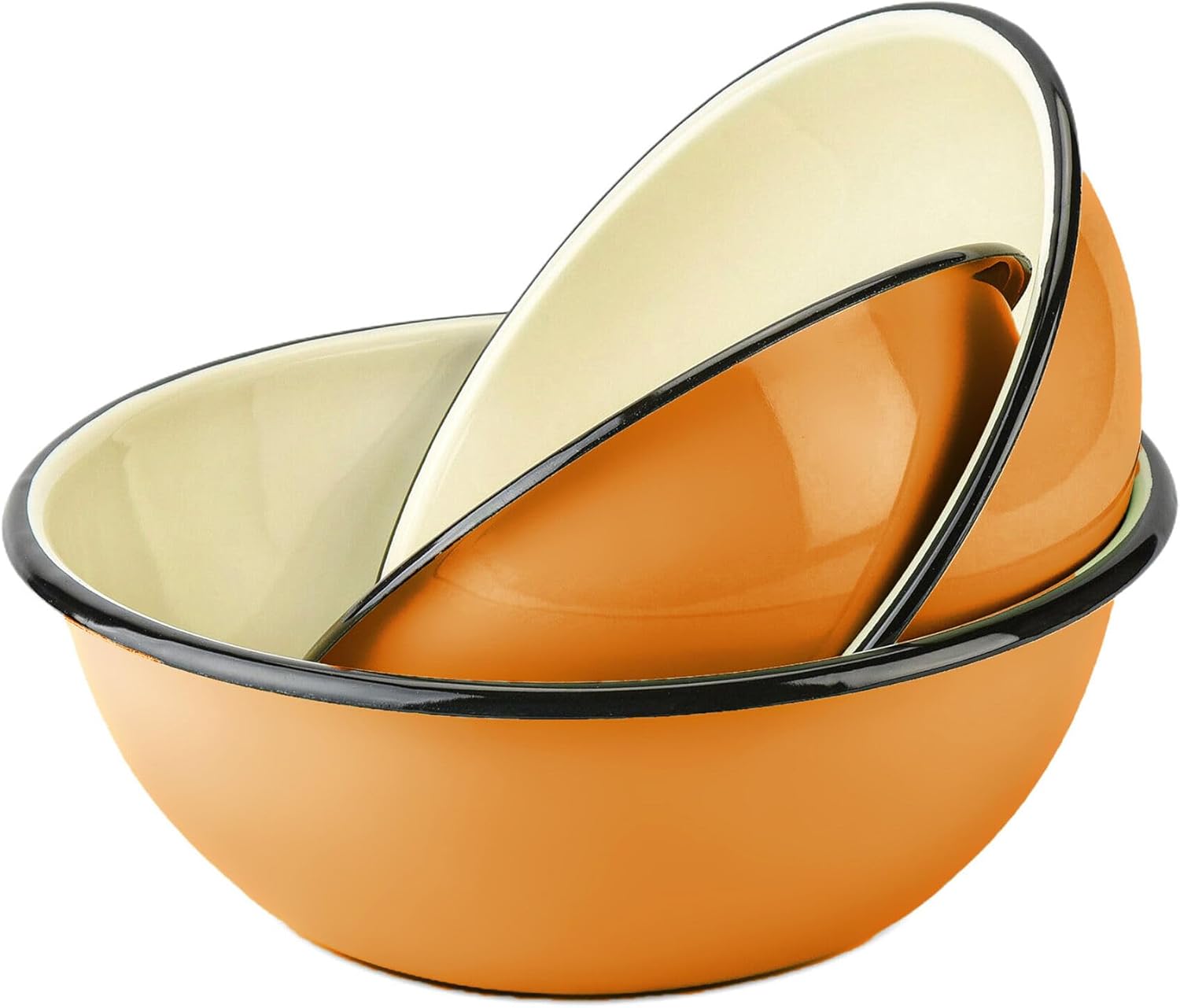
Choosing the right material for your yellow mixing bowl impacts both daily durability and kitchen aesthetics. Plastic offers lightweight convenience, while enameled steel delivers chip-resistant performance for stovetop use. Stoneware and ceramic provide a substantial, heavy feel ideal for intensive stirring with electric mixers. Glass options bring classic, transparent or colored appeal for traditional displays. Each material interacts differently with your daily cooking habits, storage constraints, and food preparation requirements.
Consider how often you move your bowls and what types of food you prepare most frequently. Heavy ceramic or stoneware withstands vigorous mixing without sliding across countertops, though it adds noticeable weight during transport. Plastic and metal alternatives reduce arm fatigue during prolonged baking sessions. Evaluating your preferred cooking style ensures you select a bowl material that balances physical heft with everyday usability.
Capacity and Sizing
Evaluating capacity ensures your mixing bowl accommodates your typical recipe sizes without overflows. Large vessels holding several quarts or dozens of cups excel at whipping massive batches of bread dough or tossing family-sized salads. Smaller bowls holding a few ounces or cups work best for staging ingredients, whisking eggs, or serving individual portions of snacks and cereals. Matching bowl volume to your cooking habits prevents frustrating spills.
Remember that physical diameter and depth dictate how easily you can whisk or stir contents without splashing liquids over the edge. Wide rims offer comfortable gripping points, while deep walls keep flour and batters contained during high-speed mixing. Assessing both volume capacity and physical dimensions helps you find a bowl that fits your ingredients and your physical workspace comfortably.
Heat and Appliance Compatibility
Appliance compatibility dictates how versatile your mixing bowl can be throughout complex baking and cooking routines. Many ceramic and stoneware options support microwave, oven, and freezer use, allowing you to transition ingredients from cold storage to direct heat seamlessly. Enameled steel models can even handle stovetop cooking. Conversely, plastic bowls generally lack thermal resistance for ovens, restricting their use strictly to cold preparation and room-temperature storage.
Always verify specific manufacturer guidelines regarding thermal shock limits to prevent cracking or warping your cookware. Microwave-safe bowls save time by letting you melt butter or warm liquids directly in the vessel. Reviewing appliance ratings ensures your chosen yellow bowl matches your specific culinary workflow and recipe requirements without risking damage to the material.
Storage and Nesting Design
Efficient kitchen storage depends heavily on whether your mixing bowls feature a nesting design. Nesting sets allow smaller bowls to stack compactly inside larger ones, drastically reducing the cabinet footprint required for multiple sizes. This spatial advantage is especially valuable in compact kitchens or crowded pantries where shelf room is limited. Standalone oversized bowls demand dedicated cabinet space, making nesting alternatives much more practical for multi-piece collections.
Pay attention to the overall dimensions and shape of nested stacks to ensure they slide easily into your available shelving spaces. Matte or glazed finishes also influence how smoothly bowls stack and unstack during daily use. Choosing a well-designed nesting set keeps your countertops clear and your cupboards organized while providing immediate access to various bowl sizes whenever cooking inspiration strikes.
Cleaning and Maintenance
Maintenance requirements influence the long-term convenience of your kitchen bowls. Many modern plastic, ceramic, stoneware, and enameled steel bowls offer dishwasher-safe construction, simplifying post-meal cleanup. However, some classic glass or specialized ceramic items recommend gentle hand washing to preserve their decorative finishes and protective glazes. Enameled steel surfaces also require careful cleaning without abrasive metal sponges to avoid scratching the smooth exterior.
Understanding these maintenance needs before purchasing helps you align cookware care with your daily routine and available time. Dishwasher-compatible materials save effort after heavy baking sessions, while hand-wash-only items demand a bit more manual attention. Selecting a cleaning level that matches your lifestyle ensures your yellow mixing bowls stay pristine and hygienic through years of regular kitchen use.
Sealing and Lid Options
Lids and sealing mechanisms transform a standard mixing bowl into a versatile food storage container. Airtight or liquid-tight seals keep prepared doughs, salads, and leftovers fresh for extended periods inside refrigerators. Bowls equipped with secure covers eliminate the need for disposable plastic wrap when storing ingredients between prep stages. This integrated functionality is particularly common in plastic or specialized vintage storage bowl designs.
Consider whether you need storage lids or if your bowls will be used strictly for open-air mixing and serving. Lidded options offer superior convenience for meal preppers who like to mix and store in the same vessel. Evaluating your need for airtight preservation helps you choose between open prep bowls and multi-purpose covered containers for your kitchen countertop.
Frequently asked questions
Can I use my yellow mixing bowl in the microwave?
Microwave compatibility depends entirely on the specific material of your mixing bowl. Stoneware, ceramic, and certain plastic models are typically rated safe for microwave use, allowing you to melt ingredients or warm up foods directly in the vessel. However, enameled steel and certain vintage glass or specialty bowls are strictly not microwave safe due to their metallic properties or material composition. Always review the manufacturer guidelines and product specifications before placing any bowl into a microwave to prevent damage.
Are vintage yellow mixing bowls dishwasher safe?
Dishwasher safety varies widely across different brands and material constructions. Plastic mixing bowls and many ceramic or enameled steel sets are explicitly designed to be dishwasher safe for easy cleaning. Conversely, traditional vintage glass bowls often require gentle hand washing only to protect their surface finish and color integrity. Additionally, enameled steel bowls require avoiding abrasive metal sponges during cleaning even when washed in a machine. Check specific care instructions before running your bowls through a dishwasher.
How do I choose the right bowl capacity for baking?
Choosing the correct bowl capacity depends on the scale of your usual baking recipes. Massive bowls holding several quarts or over twenty cups are ideal for mixing heavy bread doughs, large batches of cookie batter, or family-sized salads without spilling. Smaller bowls holding a few cups or ounces work best for whipping single eggs, measuring dry ingredients, or staging chopped produce. Selecting a nesting set with multiple capacity options ensures you always have the right size for any culinary task.
Do nesting mixing bowls save cabinet space?
Nesting mixing bowls are specifically engineered to stack neatly inside one another, which dramatically reduces the footprint they occupy on your kitchen shelves or inside cabinets. This space-saving design is especially beneficial for home cooks who own multiple bowl sizes but have limited kitchen storage room. By keeping smaller bowls tucked inside the largest container, you maintain a tidy pantry and ensure all your prep vessels remain easily accessible for your next cooking session.
Can mixing bowls with lids keep food fresh?
Mixing bowls equipped with tight seals or covers can effectively keep food fresh for longer periods by locking out air and moisture. Airtight and liquid-tight lids transform open mixing vessels into convenient refrigerator storage containers, eliminating the need for disposable plastic wrap when you need to chill doughs or save leftovers. Reviewing whether a product includes a specialized seal helps you decide if it doubles as a food storage solution for your refrigerator or pantry.