Appliances · Buying Guide
Best vito iacopelli pizza dough styles with ready mixes
Crafting authentic Italian or American style pies at home often inspires enthusiasts to explore professional techniques, similar to the methods demonstrated in popular vito iacopelli pizza dough masterclasses. Achieving that classic crispy yet tender crust relies heavily on proper flour selection, precise hydration, and effective proofing methods. Understanding these core principles transforms ordinary kitchen baking into an artisan craft that satisfies family and friends during weekend gatherings.
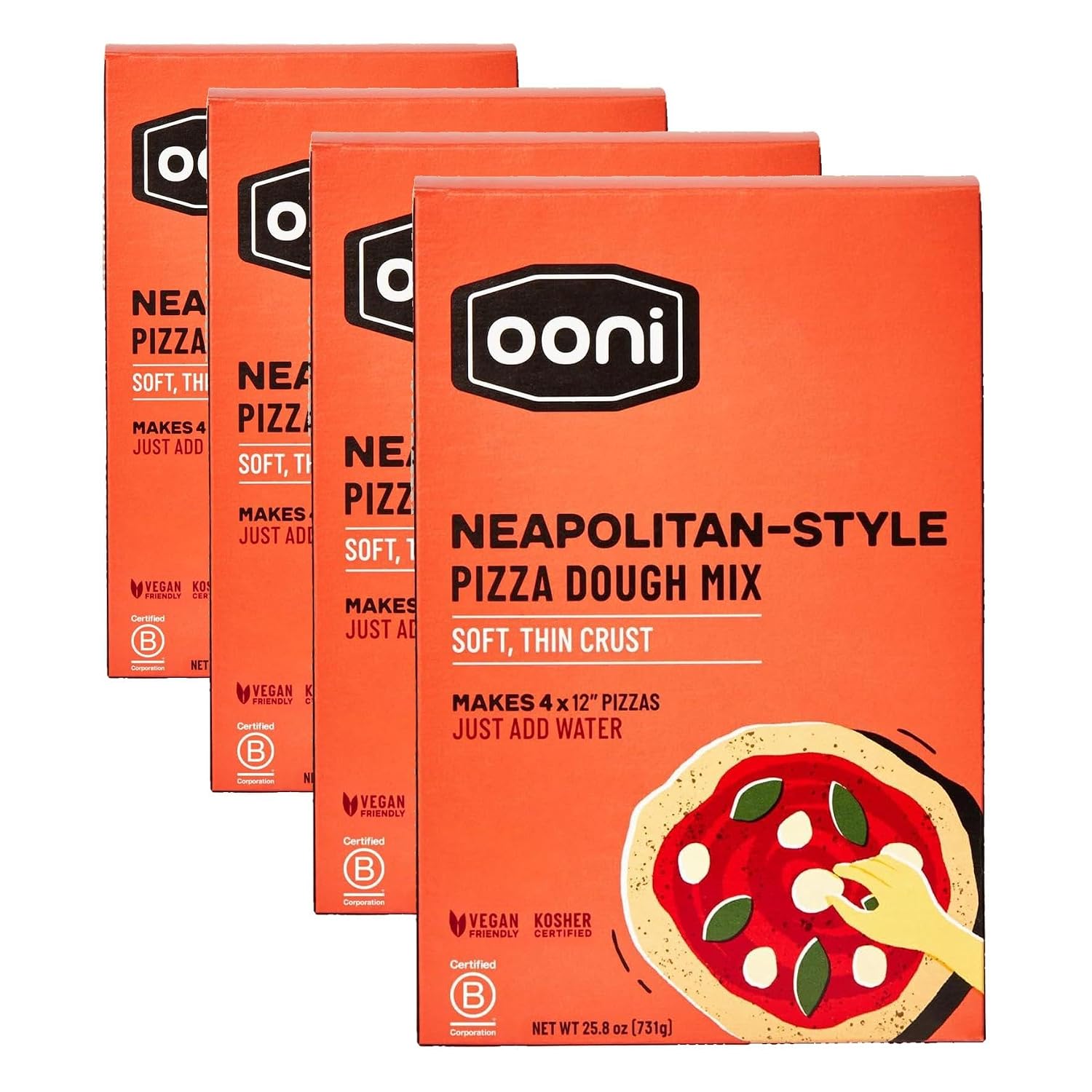
Whether you prefer the pillowy, charred edges of a traditional Neapolitan pie or the foldable, large-format slices typical of New York style, starting with reliable pre-measured mixes or dedicated flours simplifies preparation. These curated options let home bakers skip tedious measurements while focusing entirely on stretching, topping, and baking delicious meals without unnecessary kitchen complications.
As an Amazon Associate, StacyLaughs earns from qualifying purchases.
Buying guide
Understanding Flour Types and Protein Content
Choosing the right flour is fundamental for anyone attempting to replicate the artisan styles featured in professional vito iacopelli pizza dough tutorials. Finely milled 00 flour features a specific protein content that creates a smooth, highly elastic dough capable of withstanding intense oven heat without burning prematurely. This structural strength allows the gluten network to trap expanding gases effectively during the initial baking phase.
When baking in standard home ovens operating below conventional temperature thresholds, selecting versatile flours ensures your crust still achieves proper browning and texture. Understanding how different milling grades absorb water helps prevent dense, heavy interior structures. It guarantees a light, airy bite and a crisp exterior crust across every homemade pie you pull from the oven.
Evaluating Hydration and Water Ratios
Hydration levels dictate the exact moisture content within your dough, directly influencing how easily the ball stretches and how crisp the final baked crust becomes. Higher water percentages create an open, airy crumb structure featuring large interior bubbles, but they demand refined handling skills during the shaping stage to prevent tearing on your counter.
Pre-measured commercial mixes simplify this calculation by establishing exact water-to-flour proportions, completely removing guesswork for busy home bakers. If you choose to mix raw artisan flours independently, investing in a digital kitchen scale allows you to accurately replicate specific hydration targets across multiple baking sessions for reliable, repeatable results every single weekend.
Fermentation Timelines and Proofing Methods
Fermentation transforms simple flour, water, yeast, and salt into a complex, highly flavorful dough structure. Rapid three-hour proofing cycles are ideal for spontaneous weeknight pizza parties, giving you quick access to fresh dinner without requiring advanced schedule planning. These accelerated mixes utilize specialized active yeast strains to jumpstart the rising process efficiently.
Conversely, slow cold fermentation builds significantly deeper flavor profiles and improves overall digestibility by allowing enzymatic activity to break down complex starches over twenty-four to seventy-two hours in the refrigerator. Consider your weekly schedule and personal taste preferences when deciding whether a fast commercial mix or a traditional slow-rise method best fits your household routine.
Crust Styles and Regional Characteristics
Neapolitan style crusts emphasize a soft, thin center surrounded by a dramatically puffed, charred outer rim. Achieving this traditional texture requires high oven heat and specific dough manipulation techniques that leave the outer edge light and airy. The manual stretching process must preserve natural gas pockets within the cornicione without losing structural integrity beneath heavy sauce and cheese toppings.
New York style pies offer a larger format designed for a classic foldable slice, successfully balancing exterior crispness with interior chewiness. Knowing which regional style your household prefers helps you select the correct specialty flour bundle or pre-measured mix formulation for every successful weekend baking session throughout the changing seasons.
Batch Sizes and Household Yield Requirements
Planning for the right number of servings ensures you produce enough food for your guests without wasting precious ingredients or running short unexpectedly during dinner. Single-pack mixes typically yield four standard 12-inch bases, which suits small family dinners or casual weekend couple nights perfectly. This controlled quantity minimizes leftover dough balls that might otherwise go unused.
Larger multi-pack bundles or bulk flour bags provide sixteen or more portions, catering effectively to frequent entertainers and large households. Evaluating your typical guest count prevents unnecessary pantry clutter while keeping fresh dry supplies readily available in your kitchen cabinets for impromptu baking sessions throughout the entire month.
Pantry Storage and Ingredient Shelf Life
Maintaining dry flour and mix packages properly protects them from humidity, excess moisture, and unwanted pantry pests over extended periods of time. Storing opened bags in dedicated airtight storage containers preserves the biological viability of active dry yeast and prevents the fine flour from absorbing unwanted ambient kitchen odors from nearby food items.
Reviewing manufacturer packaging guidelines helps you understand expiration timelines and maintain optimal baking performance across all your cooking projects. Proper storage practices ensure your dry baking ingredients remain fresh, potent, and completely ready whenever inspiration strikes for a spontaneous homemade pizza night with family and close friends on the weekend. Following these simple steps guarantees consistent results.
Frequently asked questions
Can I use these pizza mixes in a standard home oven?
Yes, many specialty pizza flours and pre-made dough mixes are designed to perform effectively in both conventional home ovens and high-heat specialty pizza ovens. While outdoor pizza ovens reach extreme temperatures that quickly char crust edges, traditional kitchen ovens can still achieve great results when paired with a preheated baking stone or steel. Following the specific instructions provided by the manufacturer ensures your crust achieves proper browning and texture, regardless of whether your oven operates at standard baking temperatures or higher heat thresholds.
How long does it take to prepare dough using these mixes?
Many quick-rise pizza dough mixes are engineered to transition from box to bake in as little as three hours. This rapid timeline is achieved through pre-measured active yeast formulations that jumpstart the proving process without requiring overnight refrigeration. After mixing the dry ingredients with warm water and allowing the dough balls to rest and rise according to the six-step guide, you can stretch and bake them immediately. This speed makes quick mixes ideal for spontaneous weeknight dinners and impromptu gatherings.
What is the difference between Neapolitan and New York style pizza dough?
Neapolitan style pizza dough typically yields a soft, thin center framed by a dramatically puffed, airy outer crust known as the cornicione. It focuses on traditional simplicity and quick high-heat baking. In contrast, New York style pizza dough is formulated to produce a larger, thinner format that creates a sturdy yet foldable slice. While both styles rely on quality wheat flours and yeast, their specific formulations and textural characteristics cater to distinct regional preferences and baking traditions.
Why should I use semolina flour when making homemade pizza?
Coarse-ground semolina flour serves as an excellent dusting agent on your peel or work surface, preventing sticky dough from adhering to your baking equipment. Because semolina features high gluten content and a coarse texture, it acts like tiny rollers under your pie, allowing the stretched dough to slide smoothly onto a hot baking stone or steel. Additionally, as the pizza cooks, semolina imparts a pleasant golden color and an enjoyable subtle crunch to the exterior crust of your finished pie.
How should I store leftover flour or unused dry mix?
Unused dry mix and opened bags of flour should always be stored in dedicated airtight containers to protect them from humidity, moisture, and pantry pests. Keeping them in a cool, dry pantry environment preserves the biological viability of active yeast components and prevents the fine flour from absorbing ambient food odors. Following proper manufacturer storage guidelines ensures your dry ingredients remain fresh, potent, and ready to perform optimally during your next weekend baking session.