Appliances · Buying Guide
Best wicker bread proofing basket choices for artisanal home baking
Baking artisan sourdough and rustic loaves at home relies heavily on proper dough fermentation and shape support. A wicker bread proofing basket provides the structured environment necessary for dough to rise evenly while developing distinct surface patterns. Whether crafted from natural rattan or durable synthetic materials, these baskets help shape traditional boules and oval loaves.
Exploring the available options reveals various set sizes, material constructions, and included accessories like cloth liners. Selecting the right setup depends on your baking volume, preferred loaf shapes, and maintenance preferences. Understanding these foundational attributes ensures you choose a reliable tool for your kitchen routine.
As an Amazon Associate, StacyLaughs earns from qualifying purchases.
Buying guide
Material Selection and Maintenance
Choosing between natural rattan, wicker-style plastic, and polypropylene involves balancing traditional performance with cleaning convenience. Natural cane absorbs moisture effectively to help build crisp crusts, but it requires careful drying after washing.
Synthetic or polypropylene alternatives resist mold and withstand frequent washing routines easily. Evaluating your willingness to maintain natural fibers versus selecting low-maintenance synthetic options guides your purchase decision effectively.
Basket Shape and Loaf Style
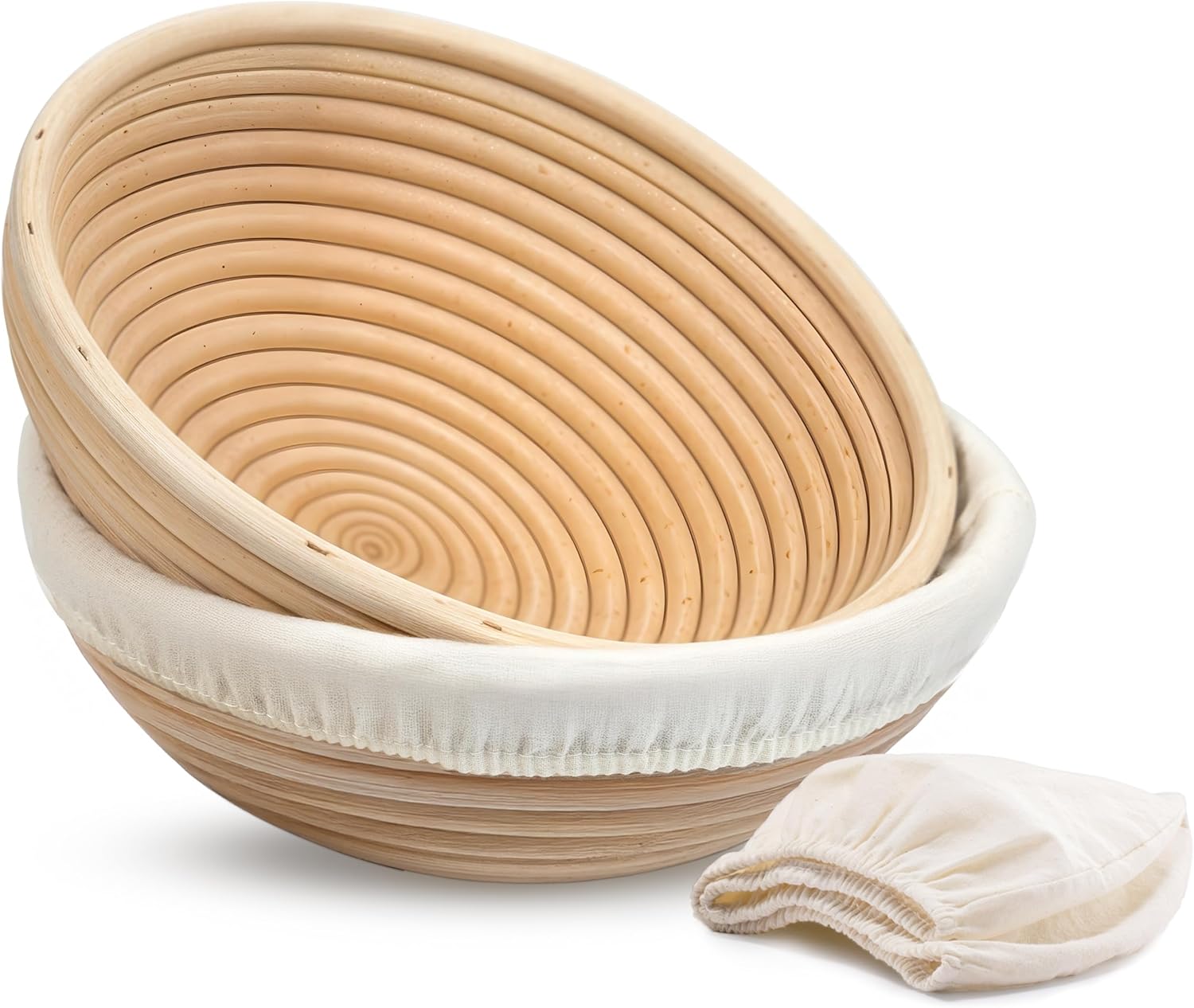
The geometric shape of your basket directly determines the final appearance and structure of your baked bread. Round baskets produce classic boules with concentric spiral rings, while oval baskets accommodate elongated artisan loaves and batards.
Matching the basket shape to your favorite recipes ensures proper support throughout the rising phase. Consider whether your baking repertoire centers on round boules or oval loaves before selecting a set.
Capacity and Loaf Volume
Bread proofing baskets come in various sizes, with many standard models accommodating up to two pounds of dough. Ensuring your basket matches your typical batch size prevents overflow or inadequate structural support during rising.
Larger baskets accommodate heavy artisan dough quantities easily, while compact models suit smaller single-batch recipes. Reviewing your preferred dough weights helps determine the correct basket dimensions for your kitchen.
Pack Count and Batch Needs
Baskets are frequently sold in sets ranging from two pieces up to six pieces. If you enjoy baking multiple loaves simultaneously for family gatherings, multi-piece sets provide the necessary hardware to process several doughs together.
Bakers who prepare single loaves occasionally will find smaller two-pack options easier to store and manage. Assess your typical baking frequency to determine the ideal pack count for your needs.
Liner Inclusion and Usage
Many proofing basket sets include matching fabric liners with elastic edges or drawstring closures. Liners provide a smooth barrier that prevents wet dough from sticking directly to the woven basket surface.
Using baskets without liners allows the cane or wicker texture to imprint decorative spiral patterns onto the crust. Deciding between a smooth crust or a patterned finish helps you utilize included liners effectively.
Storage and Kitchen Space
Evaluating your available cabinet and pantry space is essential when purchasing multi-piece baking basket sets. Larger sets require designated storage areas that allow proper airflow to keep natural or synthetic materials dry.
Compact two-pack configurations fit easily into tight kitchen storage spaces between baking sessions. Balancing your storage capacity against your desired set size ensures convenient organization at home.
Frequently asked questions
How do I prevent bread dough from sticking to my proofing basket?
Preventing dough adhesion involves generously dusting the interior of the basket with flour before placing your shaped dough inside. Rice flour works particularly well because it resists sticking better than standard wheat flour. If your basket includes a cotton or fabric liner, dusting the fabric surface lightly provides an additional non-stick barrier that ensures smooth dough release when it is time to turn the loaf out onto your baking surface or Dutch oven.
Should I use the fabric liner or proof the dough directly in the basket?
The choice between using a liner or proofing directly against the wicker or rattan depends entirely on the crust pattern you prefer. Proofing directly in an unlined basket allows the natural ridges of the weave to imprint a classic artisan spiral pattern onto your loaf's surface. Using the washable fabric liner creates a smooth, clean crust without ring marks, while also simplifying cleanup by keeping sticky dough away from the basket's woven crevices.
What is the proper way to clean and dry a natural rattan proofing basket?
Cleaning natural rattan baskets requires gentle handling without harsh detergents. After each proofing session, simply tap the basket gently to remove excess flour, and use a soft dry brush if necessary. If washing with water is required, rinse quickly and avoid soaking. Some bakers wash liners in vinegar water and cold rinse. Always allow natural baskets to air dry completely in a well-ventilated area before storing them away to prevent any moisture buildup.
Can I bake bread directly inside a wicker or rattan proofing basket?
No, wicker and rattan proofing baskets are strictly designed for dough fermentation, shaping, and rising stages only. They are not constructed to withstand the high temperatures of an oven. Placing a wooden, cane, or polypropylene basket inside a hot oven will damage or destroy the material. Always invert your proofed dough out of the basket onto a baking stone, sheet, or parchment paper before transferring the loaf into your preheated oven for baking.
How do I choose the correct basket size for my sourdough recipes?
Selecting the correct basket size depends on the total weight of the dough ball you intend to proof. Standard nine-inch round baskets typically handle dough weights up to two pounds, producing a well-proportioned boule. If you work with larger recipes or want extra headroom during rising, verify the specific diameter and height measurements provided for each product. Matching your typical flour and water batch proportions to the basket volume ensures optimal structural support.