Appliances · Buying Guide
Best williams and sonoma mixing bowls alternatives for home baking
Finding the right prep gear can truly transform how you handle daily kitchen tasks, especially when you are looking for reliable alternatives to williams and sonoma mixing bowls. Having a sturdy set on hand makes combining ingredients, whipping batters, and prepping family meals much smoother. A dependable bowl keeps your workspace orderly and prevents accidental slips during rigorous mixing sessions across various recipes.
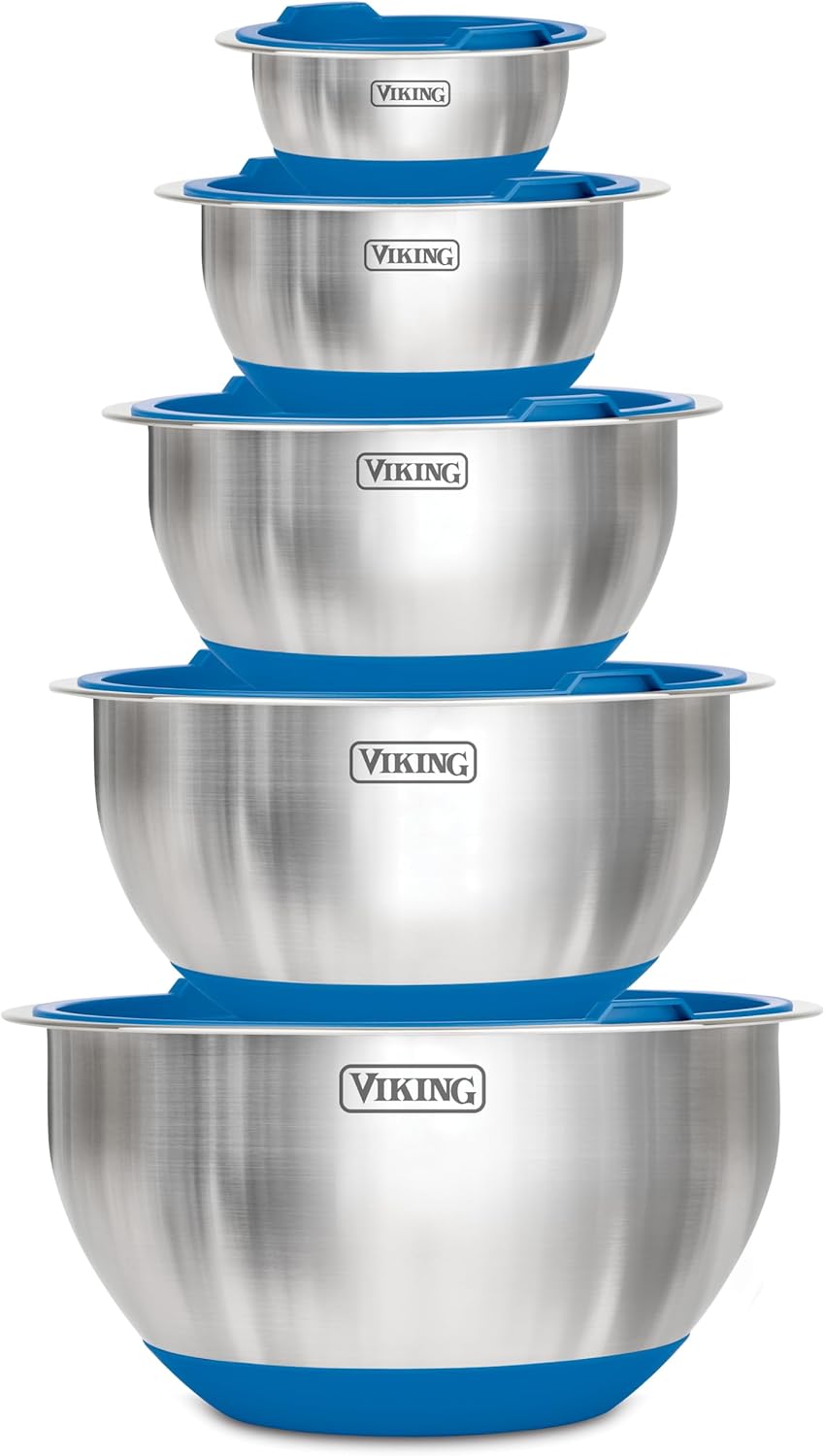
Different materials and designs offer unique benefits for your everyday cooking routine. Whether you prefer lightweight plastic featuring built-in pour spouts or durable stainless steel options equipped with tight-fitting lids and rubberized bases, exploring these selections helps you pinpoint the ideal match for your kitchen storage and prep habits without unnecessary guesswork.
As an Amazon Associate, StacyLaughs earns from qualifying purchases.
Buying guide
Material Selection and Durability
Choosing the right material for your mixing bowls dictates how well the set withstands daily wear and tear. Stainless steel remains a top pick for its rust resistance, longevity, and professional appearance. It handles temperature variations gracefully, making it ideal for chilling or placing in the fridge. However, stainless steel can dent if dropped on hard kitchen tiles.
On the other hand, plastic options offer lightweight handling and typically cost less. While plastic is gentle on countertops and easy to lift, it may scratch over time and can absorb certain strong food odors. Evaluating your cooking habits helps determine whether resilient metal or lightweight plastic best fits your kitchen routine.
Sizing Options and Capacity Range
Having an adequate spread of bowl sizes ensures you can tackle everything from whisking a single egg to tossing a massive family-sized salad. Smaller 1.5-quart vessels work wonderfully for beating eggs or mixing dressings, while larger 5-quart and 8-quart bowls prevent messy overflows during heavy flour mixing or dough kneading tasks.
Selecting a set that includes graduated intermediate sizes bridges the gap between tiny prep bowls and oversized mixing containers for everyday recipes. This ensures you always have a suitably dimensioned vessel on hand without overcrowding your work surface. Assess your typical cooking volume to determine how many capacity tiers you genuinely require for baking.
Stability and Non-Slip Bases
Stability during food preparation is crucial when you are vigorously whisking batters or kneading thick bread doughs by hand. Mixing bowls equipped with silicone or rubberized bottoms stay firmly anchored to granite, wood, or laminate countertops. This added friction prevents annoying sliding movements, allowing you to stir comfortably with both hands without constant adjustments.
Without a non-slip base, plain metal and plastic bowls can skate across smooth surfaces unless you hold them awkwardly with one arm. Choosing a design with a weighted or rubberized ring eliminates this hassle entirely. It provides a safer, more controlled environment for whipping creams and emulsifying dressings without spilling precious ingredients across counters.
Storage Solutions and Nesting Design
Kitchen cabinet space is often at a premium, making efficient storage a major factor when shopping for new mixing bowl collections. Nesting bowls fit neatly inside one another, transforming a stack of several different sizes into a single compact footprint. This thoughtful configuration keeps your kitchen cupboards organized and pleasantly clutter-free.
When evaluating nesting sets, check whether the rims allow for smooth stacking without jamming together too tightly during everyday retrieval. A well-engineered set separates easily when you are ready to cook your favorite meals. Choosing stackable options maximizes your available kitchen real estate, ensuring your cooking tools remain accessible and tidy between demanding projects.
Lids and Food Preservation Features
Many modern mixing bowl sets come equipped with matching airtight lids, turning standard prep vessels into handy food storage containers. These lids seal in liquids and aromas, allowing you to marinate meats or save leftover salads directly in the refrigerator. This dual functionality reduces the need for extra plastic wrap or containers.
However, pay close attention to manufacturer care guidelines regarding these lids, as many require hand washing to prevent heat-induced warping in the dishwasher machine. Balancing the convenience of airtight food storage with your preferred cleaning routine ensures your lids stay functional and secure for years of daily kitchen tasks and meal prep.
Cleaning and Maintenance Requirements
Keeping your mixing bowls sanitary requires understanding the cleaning instructions specified by the manufacturer for each individual component. While most stainless steel and plastic bowls are dishwasher safe, accompanying silicone lids or specialized attachments often demand manual washing to preserve their shape and structural integrity over extended periods of time in your kitchen.
Establishing a simple cleaning routine prevents stubborn food residue buildup and protects specialized finishes like mirrored interiors or brushed outer walls from dulling. Taking a few extra moments to hand wash delicate lids while letting the dishwasher handle the main bowls ensures your entire prep set stays pristine, hygienic, and ready for everyday action.
Frequently asked questions
Can I use metal mixing bowls with an electric hand mixer?
Yes, metal mixing bowls are entirely compatible with electric hand mixers, though the spinning beaters may create a scratching sound against the interior surface. Stainless steel is durable enough to withstand mixer attachments without puncturing or wearing down. If you want to protect the mirror-polished finish of your metal bowls, you can stir at moderate speeds or opt for silicone-coated beaters if available. However, many home cooks successfully use standard metal bowls with electric mixers daily without harming the structural integrity of the steel.
Are stainless steel mixing bowls safe for the refrigerator and freezer?
Stainless steel mixing bowls are generally safe for short-term food storage in the refrigerator and freezer. Metal conducts temperature efficiently, which helps chill ingredients quickly when you are marinating foods or cooling doughs. When paired with airtight lids, these bowls prevent food from drying out or absorbing unwanted refrigerator odors. However, you should avoid sealing liquids completely to the very top if freezing, as expanding contents can put pressure on lids or containers during the freezing process.
Why do some mixing bowl lids require hand washing?
Many mixing bowl sets feature BPA-free plastic or silicone lids that can warp or lose their airtight seal when exposed to the high heat cycles inside a standard dishwasher. Manufacturers typically recommend hand washing these lids in warm, soapy water to maintain their precise fit and flexibility. While the main stainless steel or plastic bowls are robust enough for automated dishwasher cleaning, taking a moment to wash the lids by hand significantly extends their lifespan and prevents distortion.
Do non-slip silicone bases prevent bowls from moving completely?
Non-slip silicone or rubber bases significantly increase friction against countertops, keeping mixing bowls stable during typical stirring, whipping, and beating tasks. While they provide excellent traction on granite, quartz, and wood surfaces, extreme force or wet countertops can occasionally cause minor shifting. For best results, place the bowl on a dry, clean surface so the rubber base can grip properly, allowing you to mix ingredients vigorously with total confidence and stability.
How do I choose between plastic and stainless steel mixing bowls?
Choosing between plastic and stainless steel depends on your specific cooking habits and kitchen preferences. Plastic bowls are typically lightweight, feature built-in pour spouts, and offer an affordable option for basic baking tasks, though they may scratch over time. Stainless steel bowls provide exceptional durability, resist stains and odors, and often include airtight lids for food storage, making them a versatile choice for serious meal preparation. Consider your storage space, cleaning habits, and daily recipes before deciding.