Appliances · Buying Guide
Best Williams Sonoma Pizza Steel Alternatives for Crispy Crusts
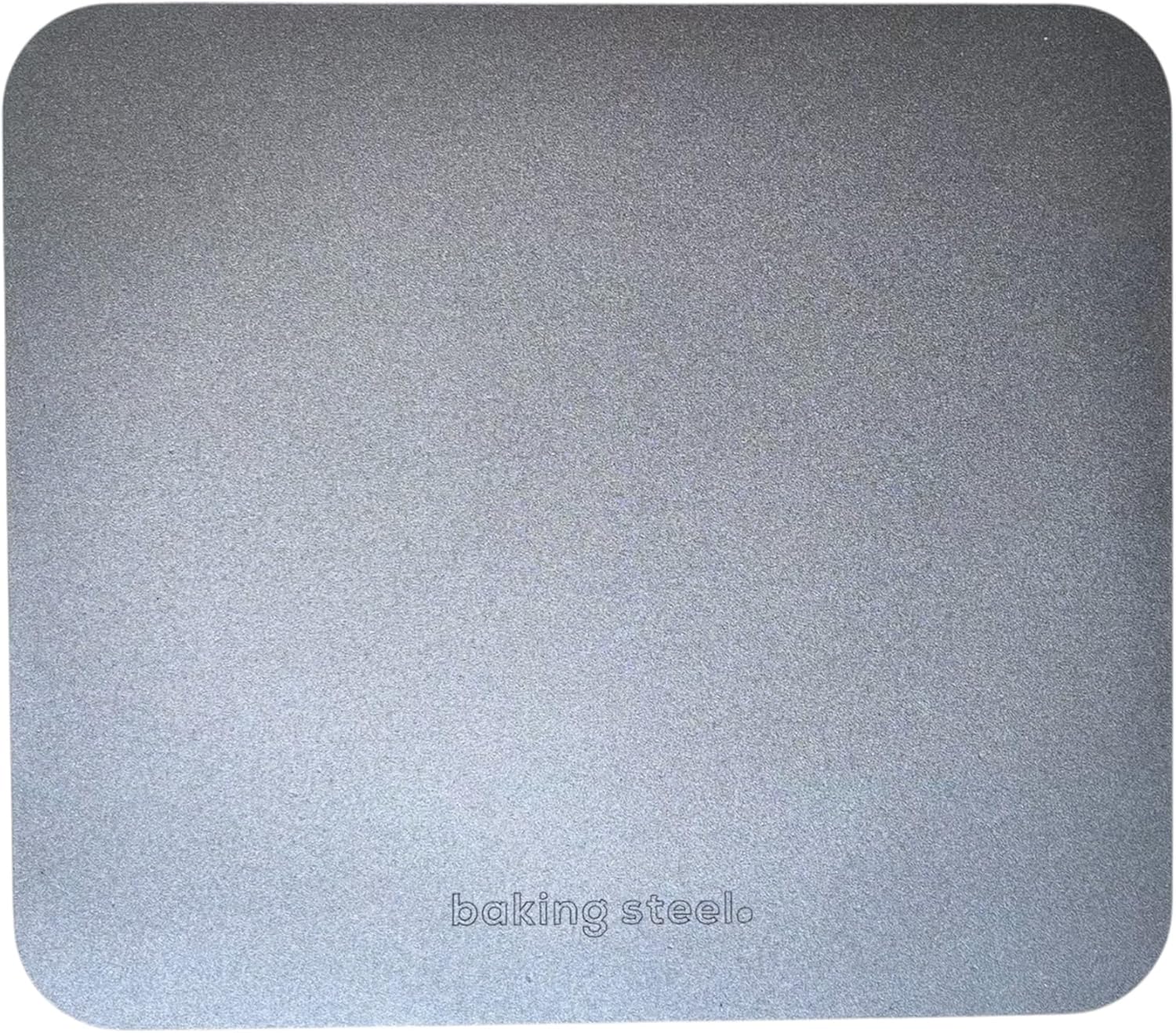
Baking a professional-quality pizza at home often requires switching from traditional ceramic stones to high-conductivity metal surfaces. Heavy-duty metal plates absorb and transfer thermal energy far faster than stone alternatives, producing evenly browned crusts and bubbling cheese in minutes. Home cooks seeking alternatives similar to specialty kitchen store options will find that solid metal baking sheets completely transform standard kitchen ovens into high-heat baking environments.
These durable slabs handle high temperatures without cracking, offering a reliable surface for artisan loaves, flatbreads, and large pies. Choosing the right option depends on your oven dimensions, preferred weight management, and whether you want a pre-treated surface out of the box or prefer initial seasoning yourself. Exploring these robust options helps you select a dependable cooking platform tailored to your kitchen routine.
As an Amazon Associate, StacyLaughs earns from qualifying purchases.
Buying guide
Thermal Conductivity and Heat Retention
Understanding thermal performance is essential when selecting a metal baking surface for your home kitchen. Solid metal plates conduct heat significantly faster than traditional ceramic stones, transferring intense thermal energy directly into your dough. This rapid energy transfer allows standard kitchen ovens to mimic professional brick ovens, producing evenly browned crusts and bubbling cheese in just a few minutes.
Selecting the right thickness directly impacts how well the metal retains heat during busy cooking sessions. Thicker options maintain steady temperatures when loading multiple pies consecutively, while slightly thinner profiles heat up faster from a cold start. Evaluating your typical baking volume ensures you choose a durable cooking platform that matches your routine.
Sizing and Oven Compatibility
Measuring your oven interior before purchasing a metal baking plate prevents frustrating compatibility issues. Standard ovens vary widely in rack dimensions, and oversized square or rectangular slabs require careful clearance checking. Ensuring adequate airflow around the edges of the plate keeps your oven heating elements functioning efficiently without trapping hot air unevenly.
Compact or European-style ovens often require smaller dimensions, such as fourteen-inch widths, to fit properly on interior racks. Larger sixteen-inch models suit spacious full-size ranges and accommodate big family-sized pizzas or multiple bread loaves simultaneously. Taking accurate measurements beforehand guarantees your chosen cooking surface slides effortlessly onto your oven rack without scraping interior walls.
Seasoning and Surface Maintenance
Maintaining a reliable cooking surface requires understanding how different manufacturing finishes affect initial preparation tasks. Some metal plates arrive pre-seasoned and ready for immediate baking, allowing you to skip tedious oiling steps. Other options ship shot-blasted, requiring a single home seasoning session involving oil application and a brief oven bake to establish a protective barrier.
Regular hand washing and occasional oil conditioning preserve the natural non-stick patina over years of frequent use. Avoid harsh chemical detergents that strip away the seasoned layer, opting instead for warm water and gentle scrubbing. Following proper maintenance guidelines ensures your metal baking plate remains smooth, rust-free, and ready for your next batch of homemade artisan bread.
Weight Management and Physical Handling
Solid metal baking plates are exceptionally dense, often weighing between fifteen and eighteen pounds. This substantial weight provides incredible thermal mass but demands careful physical handling when moving the heavy plate in and out of a hot oven. Using sturdy oven mitts and clearing a secure landing space beforehand ensures safe transfers during busy cooking sessions.
If lifting heavy cookware poses a challenge, factoring in the total mass of the plate helps prevent accidental drops or strain. While lighter options exist, they often sacrifice some heat retention compared to heavy-duty models. Assessing your upper body strength and comfort level with heavy kitchen items ensures you select a plate you can manage safely.
Versatility Across Cooking Appliances
High-performance metal plates excel beyond standard oven pizza baking, functioning effectively across multiple household cooking appliances. Many heavy-duty options span across two burners on gas or electric stovetops, creating a wide flat-top griddle surface. This adaptability allows you to cook smash burgers, breakfast items, and roasted vegetables directly on the metal slab inside your kitchen.
Outdoors, these durable low-carbon steel plates handle direct flames on backyard grills and campfires without cracking or warping from thermal shock. This multi-appliance utility expands your cooking repertoire far beyond traditional pizzeria items. Choosing a versatile rectangular or square plate maximizes your investment by supporting diverse culinary tasks throughout the entire year.
Durability and Longevity Comparison
Investing in solid metal baking plates offers a permanent alternative to fragile ceramic or stone baking accessories. Unlike traditional stones that crack or shatter from thermal shock, heavy-duty metal construction is virtually indestructible under normal kitchen conditions. This resilience means your baking surface will withstand extreme temperatures up to one thousand degrees Fahrenheit without failing.
Over years of regular use, these metal plates develop a dark, seasoned patina that improves their non-stick qualities naturally. This long-lasting performance makes them a reliable staple for households that bake bread and pizzas frequently. Selecting a robust American-made plate guarantees a durable kitchen tool that delivers consistent baking results over decades of heavy culinary use.
Frequently asked questions
How long should I preheat a metal baking plate before cooking pizza?
Preheating a heavy metal baking plate requires patience to achieve optimal crust results in your home oven. Most manufacturers recommend preheating your oven with the steel positioned inside for at least forty-five to sixty minutes at high temperatures, typically around five hundred degrees Fahrenheit. This extended preheating period allows the dense metal to absorb maximum thermal energy. When you finally slide your pizza onto the hot surface, the stored heat instantly initiates rapid crust rising and browning, mimicking professional pizzeria ovens.
Can I use a metal baking plate on an outdoor grill or campfire?
Many heavy-duty metal baking plates are engineered to withstand direct flames, making them excellent cooking surfaces for outdoor grills and campfires. Their robust low-carbon steel construction resists warping when exposed to intense open fire, functioning effectively as a flat-top griddle. You can cook smash burgers, breakfast foods, vegetables, and flatbreads outdoors just as easily as baking pizzas inside your kitchen oven. Always check specific product material guidelines to confirm direct-flame suitability before taking your baking plate outside.
How do I clean and maintain a seasoned baking steel?
Cleaning and maintaining a seasoned baking steel is straightforward and resembles the care routine used for traditional cast iron cookware. After the plate cools completely, wash it by hand using warm water and a gentle brush or sponge to remove stubborn food residue. Avoid using harsh dish soaps or soaking the plate for extended periods, as this can strip away the protective seasoned layer. Dry the surface thoroughly with a towel, and apply a very thin coat of oil to prevent rusting before storage.
Why choose steel over traditional ceramic pizza stones?
Metal baking plates offer significantly higher thermal conductivity and heat capacity compared to fragile ceramic stones. Steel moves thermal energy into pizza dough up to twenty times faster than stone, allowing you to achieve crispy crusts at lower oven temperatures. Furthermore, solid metal plates are virtually indestructible and will never crack or shatter from thermal shock, unlike ceramic alternatives that frequently break under extreme temperature fluctuations. This combination of superior heat transfer and lifelong durability makes metal plates a popular choice.
How do I choose the correct size baking plate for my oven?
Choosing the correct size baking plate requires measuring your oven interior depth and width before making a purchase. Standard sixteen-inch square or rectangular plates fit comfortably in most full-size kitchen ovens, accommodating large family pizzas. However, compact, apartment-sized, or European-style ovens often require smaller fourteen-inch models to ensure proper clearance and adequate airflow around the edges. Always verify your interior dimensions and rack space to prevent fitting issues and ensure safe placement.