Appliances · Buying Guide
Best Wood Pulp Proofing Baskets for Artisan Sourdough Breads
Baking artisan bread at home requires proper support during the final rise to achieve a crisp crust and stable shape. Wood pulp proofing baskets offer a practical solution by absorbing excess moisture from dough naturally. These porous containers help regulate humidity, promoting an even rise and clear patterns on your finished loaves while enhancing original wheat flavors.
Choosing the right proofing vessel depends on your loaf size, preferred shape, and whether you want a complete baking kit or simple standalone bowls. Different materials, such as spruce or sugarcane pulp, provide breathable structures that reduce sticking when properly floured. Reviewing individual options helps match specific basket dimensions and quantities to your daily baking routine.
As an Amazon Associate, StacyLaughs earns from qualifying purchases.
Buying guide
Material Composition
Selecting the correct material influences how effectively your basket manages moisture during the final dough rise. Wood pulp, pressed spruce, and sugarcane alternatives offer naturally porous structures that actively wick away excess water from outer dough surfaces. This absorption promotes a dry skin that scores cleanly and bakes into a crisp, crackly crust.
These plant-based options also support steady temperature regulation for consistent fermentation results across different kitchen environments. Unlike traditional wicker, many pulp varieties require dry brushing rather than water washing, which changes routine maintenance expectations significantly. Understanding these structural differences helps ensure your chosen vessel matches your preferred cleaning habits and baking style.
Loaf Capacity and Size
Matching the basket dimensions to your typical dough batch prevents overcrowding or structural collapse during the critical proofing stage. Options range from compact 500-gram bowls suited for smaller single loaves to larger vessels capable of holding over three pounds of dense dough. Selecting the right volume ensures your bread achieves an optimal vertical rise instead of spreading outward.
Tightly packing excessive dough into a small container restricts expansion, while under-filling an oversized basket causes the loaf to lose its intended shape. Reviewing manufacturer weight recommendations carefully ensures your finished bread maintains proper height and structural integrity. Measure your standard recipe flour and water quantities before purchasing to guarantee a secure fit for your baking workflow.
Shape Selection
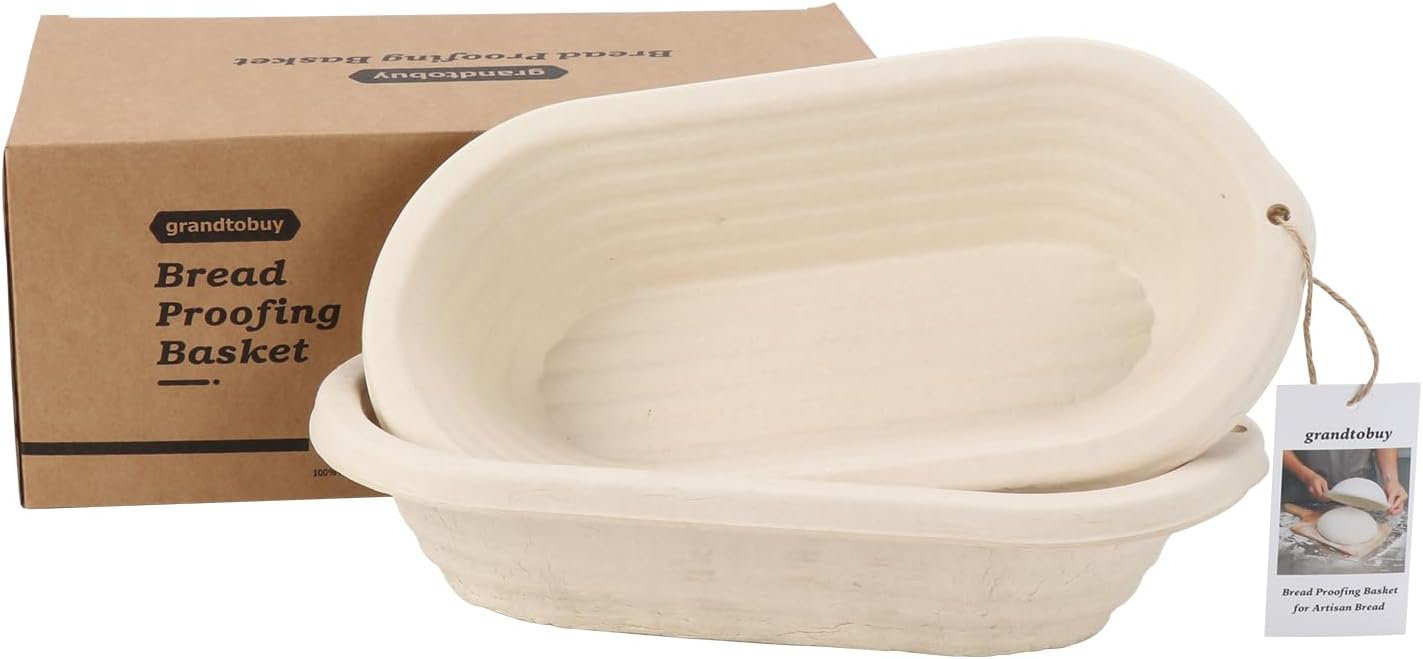
Basket shape dictates the final physical appearance and slicing style of your homemade artisan bread. Round bowls produce classic circular boules, whereas oval vessels accommodate longer batard loaves that yield uniform sandwich slices. Choosing the right geometry depends entirely on your slicing preferences and the specific baking vessels available in your kitchen.
Consider what type of bread you bake most frequently when deciding between these geometric configurations. If you enjoy preparing a wide variety of recipes, having access to both round and oval options provides greater versatility for different baking projects. Matching the container form to your baking goals prevents awkward loaf dimensions during transfer.
Maintenance and Cleaning
Proper maintenance preserves the natural hygroscopic properties of wood and plant-based pulp baskets over many baking cycles. Most manufacturers explicitly advise against washing these delicate containers with water to prevent structural breakdown, warping, or moisture retention. Following these specific care instructions ensures your proofing vessels remain hygienic and functional for years.
Instead of liquid washing, you should let leftover flour dry completely and gently brush it away using a soft cleaning tool. Certain spruce pulp varieties even permit brief drying using residual oven heat after baking. Respecting these maintenance boundaries protects the porous material and prevents premature degradation during your routine baking tasks.
Included Accessories
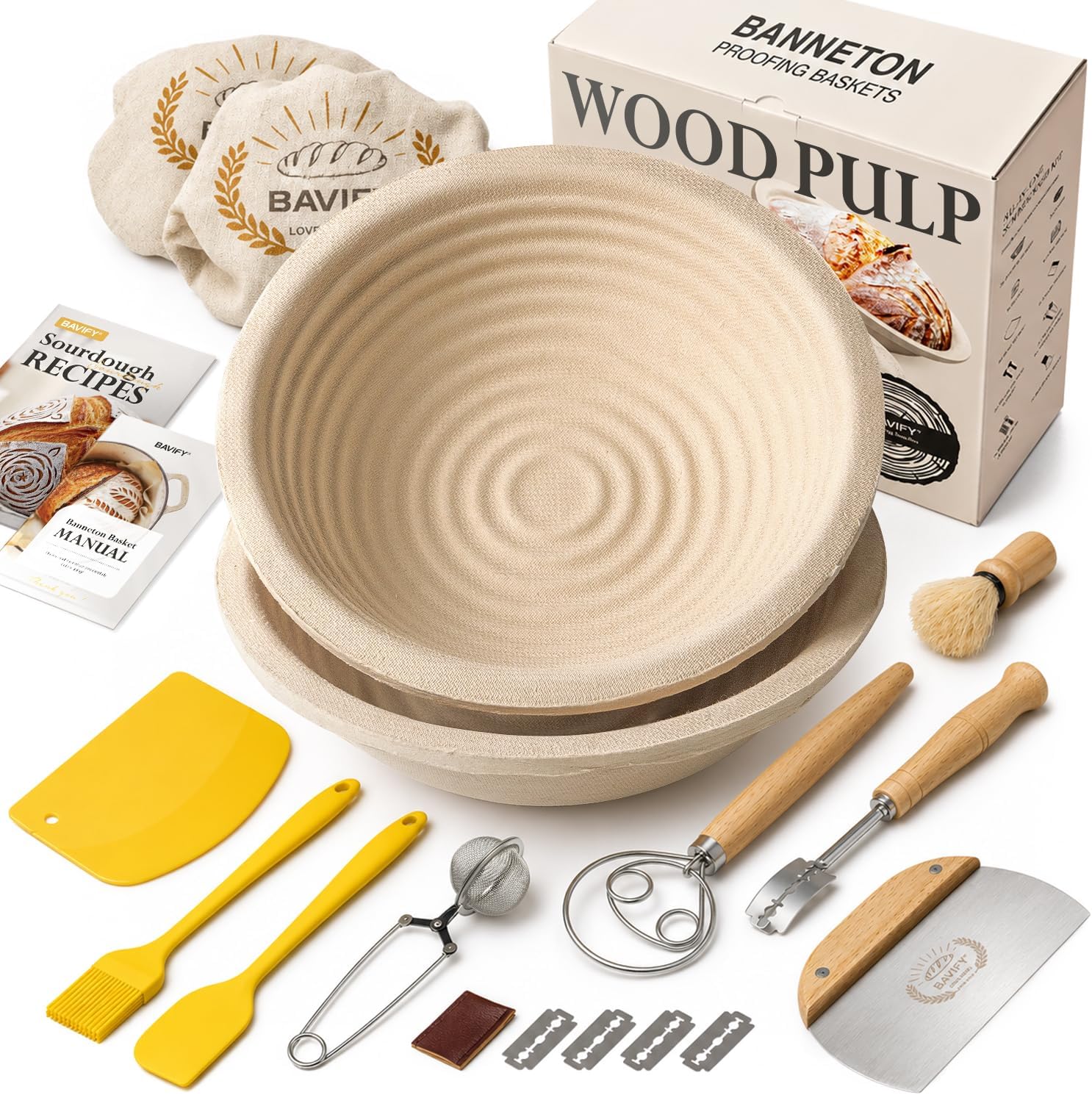
Some proofing baskets are sold as standalone bowls, while others come packaged in comprehensive sourdough baking starter kits. Bundled sets frequently include fabric linen liners, dough scrapers, slashing lame blades, whisks, and cleaning brushes. Evaluating whether you already own these auxiliary items helps determine the most practical purchasing decision for your specific kitchen setup.
Beginners starting their baking journey benefit immensely from all-in-one bundles that supply every necessary preparation tool in a single purchase. Conversely, experienced bakers who already possess dedicated scrapers and slashing blades might only require standalone replacement baskets. Reviewing kit contents prevents accumulating redundant kitchen utensils while ensuring you have proper equipment support.
Storage and Space
Kitchen storage capacity plays a very practical role when selecting wood pulp proofing baskets for your home. Multi-packs and oversized 12-inch oval bowls require significantly more cabinet or pantry room than standard single round baskets. Assessing your available storage space carefully before purchasing larger multi-unit sets helps prevent kitchen clutter and cabinet disorganization.
Consider carefully where you will house these items between baking sessions, especially if you select multi-packs that include numerous accessories and linen liners. Lightweight stackable designs help maximize organization when storing multiple containers away. Planning for spatial requirements ensures your baking supplies remain accessible without overwhelming your everyday kitchen storage boundaries.
Frequently asked questions
Do wood pulp proofing baskets require fabric liners?
Many wood pulp and sugarcane proofing baskets feature naturally porous, non-stick surfaces that allow dough to release cleanly with just a light dusting of flour, eliminating the need for a fabric liner. However, very wet doughs, no-knead recipes, or doughs containing sticky inclusions like olives and dried fruit often benefit from using an included linen liner or kitchen towel to prevent sticking. Always follow specific recipe requirements and material guidelines to ensure your dough releases smoothly without tearing the delicate outer skin during transfer.
How should you clean and maintain wood pulp proofing baskets?
Proper maintenance for wood pulp and sugarcane baskets relies primarily on dry cleaning methods rather than washing with water. After finishing your proofing process and baking your bread, let the basket dry completely in a well-ventilated area or use residual oven heat if recommended by the manufacturer. Once dried, simply take a soft brush to gently sweep away any remaining flour crumbs. Avoid soaking or washing these containers with water, as excess moisture can cause structural weakening, warping, or unwanted mold growth over time.
What size proofing basket should you choose for your dough?
Choosing the correct basket size depends directly on the total weight of the dough batch you plan to prepare. Smaller bowls holding around 500 grams or 1.5 pounds work well for compact single loaves and minor baking tasks. Larger options supporting 2.2 pounds or up to 3.3 pounds accommodate substantial family-sized batards and boules. Always match your recipe flour quantities to the manufacturer capacity guidelines to prevent dough from overflowing or spreading out flat during its final rise.
What is the difference between round and oval proofing baskets?
The primary difference lies in the final physical shape and slicing style of your baked artisan bread. Round proofing baskets support circular boules, which offer a classic aesthetic and uniform crust expansion across all sides. Oval baskets accommodate elongated batard loaves, providing a shape that is especially convenient for slicing regular sandwich pieces. Selecting between these two geometric formats depends entirely on your preferred bread shape, available baking pans, and slicing preferences for your finished loaves.
Are wood pulp baskets better than traditional rattan or wicker?
Wood pulp and sugarcane alternatives offer distinct advantages in moisture control and maintenance compared to traditional rattan or wicker containers. The naturally porous, dense walls of pulp baskets actively absorb excess surface water from dough to help build a crisp crust without requiring separate fabric liners. Additionally, cleaning pulp baskets involves simple dry brushing rather than washing both a wicker bowl and a fabric liner separately. Individual baker preferences ultimately dictate which material style best suits their daily routine.