Appliances · Buying Guide
Best Behmor 1600 Coffee Roaster Alternatives for Fresh Home Brewing
Roasting green coffee beans at home allows dedicated coffee enthusiasts to experiment with distinct flavor profiles and achieve ultimate freshness in every single cup. Whether you are upgrading from basic equipment or starting a brand-new roasting journey, finding the right electric machine shapes your daily routine and ensures consistent heating performance batch after batch.
Several countertop roasters offer distinct capacities, heating powers, and control mechanisms to suit various kitchen setups and personal roasting preferences. Examining these available options helps you select a reliable machine that carefully matches your desired batch size, spatial limits, and preferred roasting style without unnecessary complications or tedious guesswork during operation.
As an Amazon Associate, StacyLaughs earns from qualifying purchases.
Buying guide
Determining Ideal Batch Capacity
Choosing the correct batch capacity is essential when selecting a home coffee roaster to match your weekly consumption habits. Smaller machines processing around 200 to 300 grams suit individuals who prefer roasting fresh batches frequently.
Larger models handling up to 750 grams accommodate households with higher daily coffee demands or those wishing to minimize roasting frequency. Carefully evaluate how much coffee you consume before deciding on a compact or high-capacity machine to avoid frequent re-roasting or stale beans.
Evaluating Heating Power and Wattage
Heating power directly influences how efficiently green coffee beans reach the precise temperatures required for optimal flavor development. Units equipped with 800W to 1200W heating systems provide the thermal energy needed to roast dense beans evenly throughout the entire batch cycle.
Higher wattage levels often accelerate the roasting process, but they also require careful monitoring to prevent scorching or uneven development. Matching your electrical setup and roasting preferences to the appropriate wattage ensures reliable performance without overloading household circuits during operation.
Understanding Temperature Control Options
Temperature control flexibility allows roasters to target specific light, medium, or dark profiles tailored to individual bean characteristics. Models featuring adjustable thermostats or digital temperature displays give you the precision needed to experiment with distinct flavor notes.
Basic thermostatic roasters maintain constant heat automatically, simplifying the process for beginners who want consistent results without constant manual adjustments. Consider whether you prefer hands-on profiling or straightforward thermostatic operation when evaluating your ideal roasting machine.
Managing Kitchen Space and Dimensions
Physical dimensions and machine weight dictate where and how you can operate a home coffee roaster within your kitchen layout. Compact models with smaller depth and width measurements fit easily on standard countertops without crowding your workspace.
Heavier appliances weighing up to 22 pounds often require permanent placement areas due to the effort involved in moving them. Always measure your available counter space and overhead cabinet clearance before purchasing any roasting equipment.
Assessing Material Durability and Construction
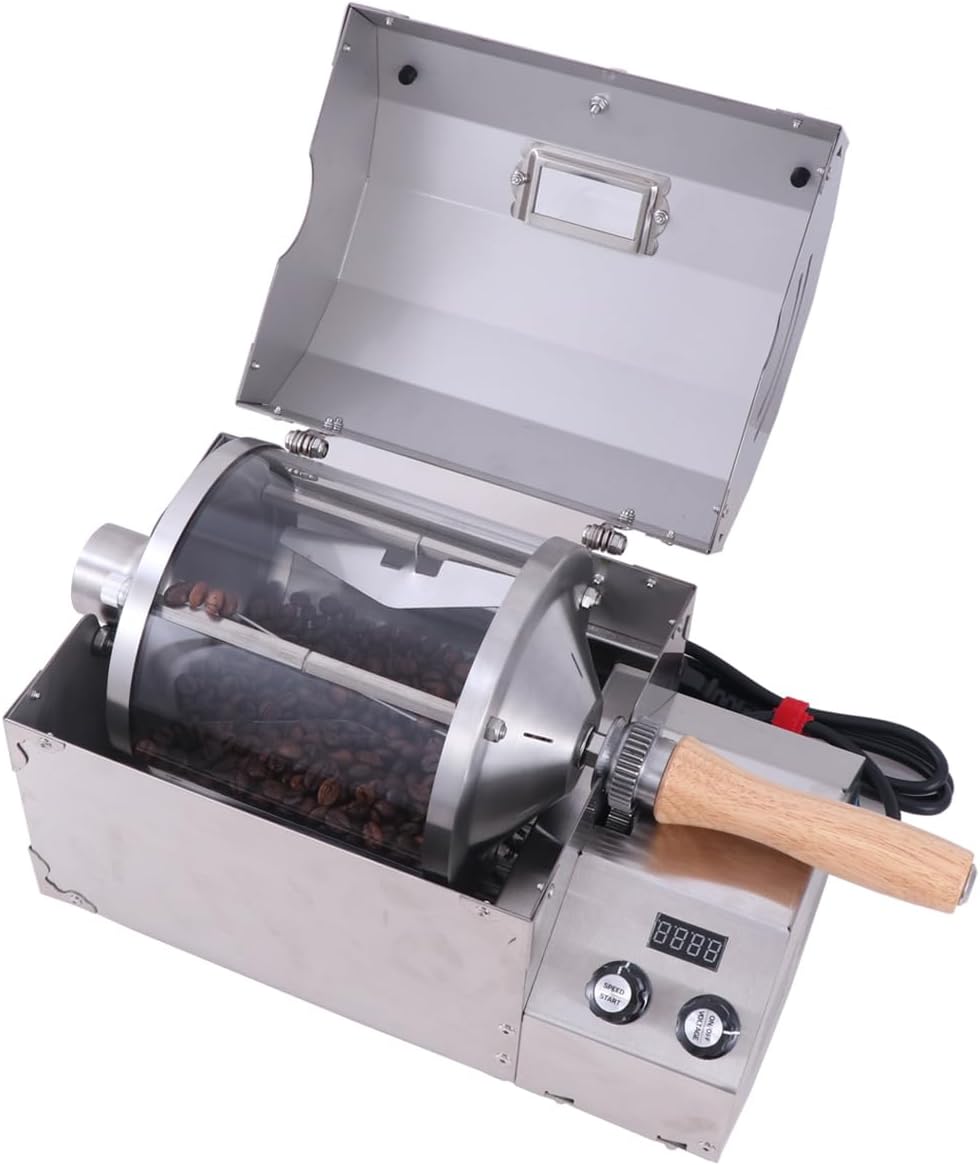
The exterior shell and internal lining materials affect both the longevity and ease of cleaning for your coffee roaster. Stainless steel construction offers robust durability and professional-grade resilience, standing up well to frequent high-temperature roasting sessions.
Plastic housings and non-stick interior linings provide lightweight alternatives that simplify post-roasting cleanup routines. Reviewing the material composition helps you choose a machine that aligns with your maintenance expectations and desired build quality.
Choosing Between Manual and Automatic Modes
Operating modes determine how much interaction is required while processing green coffee beans in your kitchen. Automatic modes employ internal rotating rods and preset timers to handle stirring and constant temperature heating without manual intervention.
Manual programmable controls give experienced users the freedom to adjust parameters dynamically throughout the roast cycle. Selecting between automated simplicity and manual customization depends entirely on your comfort level with coffee roasting techniques.
Frequently asked questions
Can I roast items other than coffee beans in these machines?
Many electric home roasters feature versatile designs capable of processing alternative foods beyond green coffee beans. Several models explicitly support roasting peanuts, popcorn, soybeans, and assorted nuts or grains thanks to even electric heating systems and internal stirring mechanisms. However, you should always consult the specific manufacturer guidelines for each appliance to confirm which food items are compatible with its internal pan coating and heating elements before attempting alternative roasting applications in your kitchen.
How do I choose the right batch size for my daily coffee consumption?
Selecting the appropriate batch size depends heavily on how much coffee you and your household consume on a regular basis. Smaller capacities ranging from 200 grams to 300 grams work exceptionally well for individuals who prefer roasting fresh beans in frequent, smaller quantities. On the other hand, larger capacities reaching up to 750 grams accommodate heavier daily demands or reduce how often you need to operate the machine. Assess your weekly brewing habits to find a balance between freshness and batch output.
What is the benefit of a transparent lid or window during roasting?
Transparent lids and viewing windows provide a direct line of sight to observe your green coffee beans as they transform throughout the roasting cycle. Being able to watch the color changes and monitor smoke or aroma development helps you evaluate the roast level visually in real time. Many transparent covers also incorporate ventilation holes that allow steam and heat to escape properly while keeping the beans contained securely inside the rotating chamber or heating pan during operation.
Do electric home coffee roasters produce noticeable smoke during operation?
Roasting green coffee naturally releases chaff and smoke as beans reach higher temperatures and shed their outer layers. Some advanced home roasters incorporate built-in chaff collectors or smoke purifiers designed to maintain ultra-low smoke output during indoor use. Other models rely on proper ventilation holes and placement near range hoods to manage steam and smoke effectively. Reviewing the specific design features of each machine helps you anticipate ventilation requirements in your kitchen space.
What is the difference between automatic and manual roasting modes?
Automatic roasting modes simplify the process by utilizing preset timers, constant temperature heating, and internal rotating rods to handle mixing without user intervention. This mode is ideal for beginners seeking consistent, straightforward operation. Manual modes, conversely, provide programmable controls and direct oversight, allowing experienced users to fine-tune temperature profiles and timing parameters for personalized bean development. Choosing between these modes depends on your familiarity with roasting dynamics and desire for hands-on control.