Appliances · Buying Guide
Best bellwether coffee roaster price details and alternatives
Finding accurate details regarding equipment costs like a bellwether coffee roaster price point requires looking at various electric and gas roasting machines currently available for home and commercial settings. Exploring these diverse market alternatives helps coffee enthusiasts understand what different setups offer in terms of batch capacity, automation, and temperature control without relying solely on single-brand assumptions or limited initial searches.
When researching roasting equipment, buyers must carefully evaluate batch capacities, heating mechanisms, precise temperature controls, and durable structural designs. Reviewing specific appliance specifications allows prospective owners to compare functionality, physical footprint, and power requirements directly, ensuring they select machinery that aligns perfectly with their specific roasting volume and kitchen, studio, or shop space limitations.
As an Amazon Associate, StacyLaughs earns from qualifying purchases.
Buying guide
Evaluating Roasting Capacity and Batch Sizes
Determining the right batch capacity is essential when comparing equipment options for home or commercial use. Smaller home units typically process between 300 and 500 grams per batch, fitting casual consumption schedules. Larger commercial machines expand output significantly, accommodating multiple pounds of green beans at once to satisfy busy daily demand in retail shop environments.
Matching your expected coffee consumption or business volume to the appropriate capacity prevents operational bottlenecks. Choosing a machine that aligns with your typical batch size ensures consistent heat distribution and prevents overloading internal drums or pans, ultimately protecting the equipment and delivering balanced flavor profiles across every roast.
Understanding Heating Mechanisms and Power
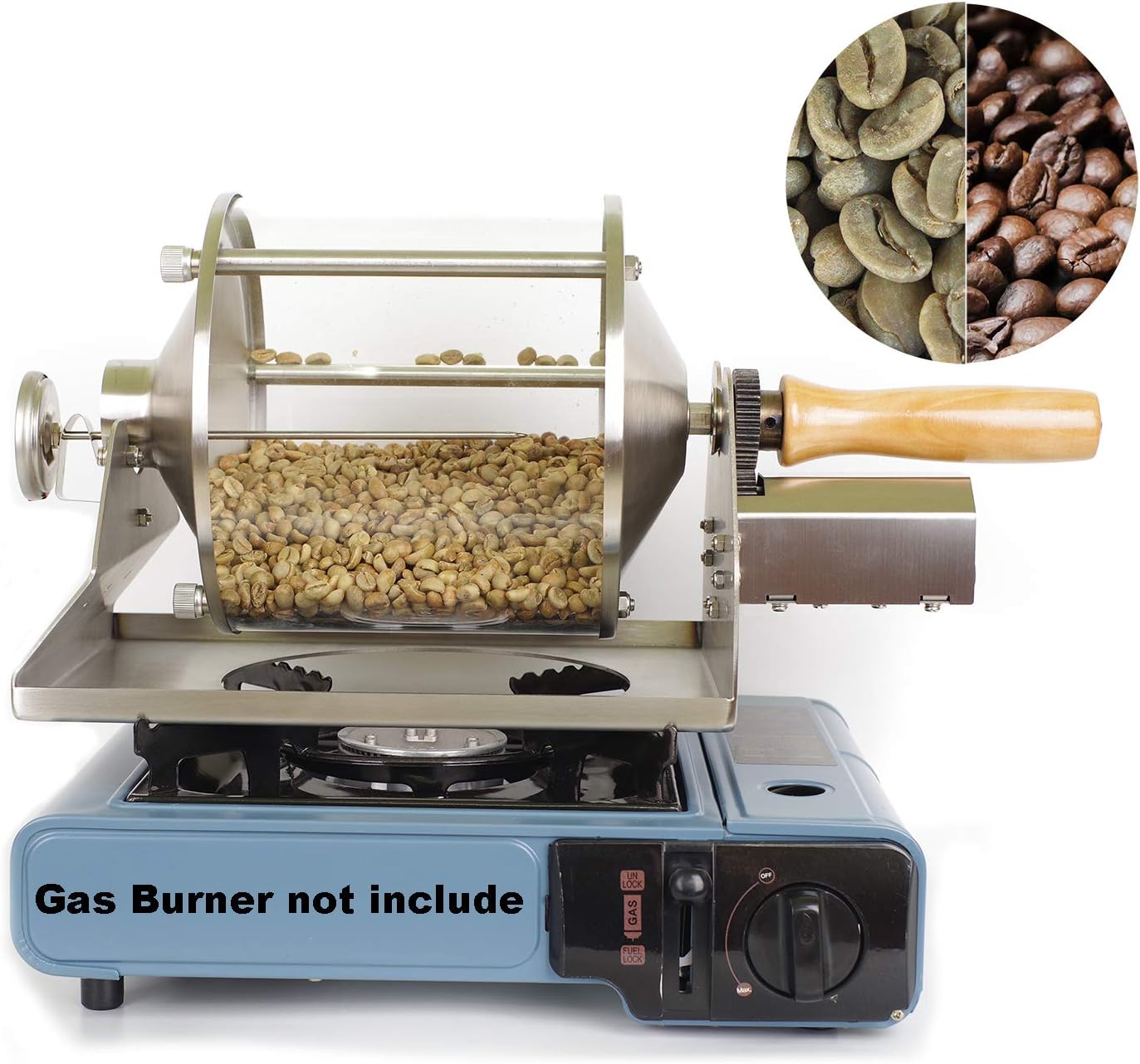
Coffee roasters utilize distinct heating methods, ranging from electric heating elements and hot air systems to traditional direct flame gas burners. Electric roasters offer convenient plug-and-play operation with adjustable thermostats, while gas-powered drums require external burners delivering specific BTU outputs. Each method influences how heat transfers to the green coffee beans during the roasting cycle.
Evaluating your available kitchen or shop infrastructure helps determine which power source suits your setup best. Standard household electrical outlets accommodate most home electric roasters easily, whereas gas burner setups demand proper room ventilation and compatible hardware. Reviewing these technical requirements ensures safe installation and reliable long-term performance without unexpected utility incompatibilities.
Temperature Control and Roasting Profiles
Precise temperature regulation allows operators to develop specific flavor profiles, whether roasting light, medium, or dark coffee beans. Advanced digital panels and microcomputers provide wide temperature ranges and exact timer controls, helping users replicate successful batches consistently. Manual models rely on direct observation and physical adjustments to manage heat progression throughout the entire roasting cycle.
Selecting between automated digital controls and manual observation depends heavily on your personal roasting preference and experience level. Beginners often benefit from preset modes and digital feedback displays, while experienced roasters may prefer the tactile engagement of manual gas valve adjustments and direct visual glass drum inspections.
Construction Materials and Durability
The materials used in a coffee roaster impact its overall durability, heat retention, and cleaning maintenance requirements. Stainless steel frames and heavy-duty commercial drums offer excellent resistance to corrosion and high-temperature wear, ensuring longevity in demanding environments. Alternatively, quartz glass or double-layer glass windows provide visual transparency, letting operators monitor bean transformation directly during active heating.
Assessing structural build quality ensures that your chosen machine can withstand frequent thermal cycling without premature component degradation. Removable inner drums and nonstick interior surfaces further simplify routine cleaning tasks, helping prevent residue buildup and flavor cross-contamination between different batches of coffee beans, nuts, or grains over years of regular operation.
Versatility Beyond Coffee Roasting
Many modern roasting machines feature versatile multifunctional designs capable of processing various food items alongside green coffee beans. Roasters equipped with adjustable temperature controls and durable rotating drums frequently handle peanuts, sunflower seeds, chestnuts, almonds, and various grains. This added flexibility allows home enthusiasts and small shop owners to expand their daily product offerings using a single piece of equipment.
Evaluating whether a roaster supports multi-purpose applications helps maximize equipment value and kitchen workspace efficiency. However, operators should always follow manufacturer cleaning guidelines and residue removal recommendations between different food types to prevent lingering oils or aromas from affecting subsequent coffee batches or roasted snacks during daily operation.
Smoke Management and Ventilation Needs
Roasting coffee naturally produces smoke and chaff, making smoke management an important factor when selecting equipment for indoor home or commercial use. Advanced home roasters incorporate efficient chaff collectors and hot air systems designed to minimize smoke output during active operation. Conversely, traditional gas drum roasters often require dedicated ventilation setups or outdoor placement due to direct flame emissions.
Reviewing indoor operation constraints ensures that your roasting environment remains comfortable and compliant with local space requirements. Selecting a model with built-in chaff collection simplifies post-roast cleanup and reduces indoor air impact, whereas direct-flame commercial units require careful placement near appropriate exhaust hoods or well-ventilated shop spaces.
Frequently asked questions
Can home coffee roasters handle beans other than green coffee?
Many electric and drum roasters feature versatile designs suitable for processing various nuts and grains alongside green coffee beans. Appliances with adjustable temperature settings and durable rotating drums frequently roast peanuts, sunflower seeds, chestnuts, and almonds. However, users should always verify manufacturer specifications before processing alternative foods and follow recommended cleaning procedures to remove residual oils, preventing flavor cross-contamination between your roasted snacks and subsequent coffee batches during regular kitchen use.
What is the difference between electric and gas coffee roasters?
Electric coffee roasters provide plug-and-play convenience, utilizing internal heating elements and digital thermostats to deliver consistent heat without requiring specialized fuel connections. They are generally easier to set up in standard home kitchens. In contrast, gas roasters rely on external burners, such as propane or natural gas setups, to supply direct flame heat. Gas units often appeal to traditional roasters who prefer manual flame adjustments and visual quartz drum monitoring during operation.
How do I clean and maintain a coffee roaster?
Maintaining a coffee roaster involves regular cleaning of removable inner drums, nonstick pans, and chaff collectors to prevent residue buildup. Following manufacturer compatibility guidance is essential for protecting heating elements and metal surfaces from corrosion or damage. For stainless steel commercial units, wiping down internal components and emptying chaff trays after sessions prevents flavor cross-contamination. Always ensure the appliance is completely cooled and disconnected from power before performing any maintenance.
Do home coffee roasters produce a lot of smoke?
Smoke production varies depending on the roasting method and machine design. Advanced smart home roasters incorporate hot air systems and efficient chaff collectors that achieve ultra-low smoke output, making them suitable for indoor kitchen use. Traditional direct-flame gas roasters or high-volume commercial machines generate more smoke and chaff, typically requiring placement in well-ventilated areas or beneath dedicated exhaust hoods to maintain comfortable indoor air quality during operation.
Why is batch capacity important when choosing a roaster?
Batch capacity dictates how many green coffee beans you can process in a single roasting session, directly impacting your overall workflow and output frequency. Home roasters typically handle between 300 and 600 grams per batch, aligning with personal weekly consumption. Commercial models scale up significantly to process multiple pounds at once for busy cafes. Selecting a capacity matching your consumption prevents machine overloading, ensuring balanced heat distribution and consistent roast development.