Appliances · Buying Guide
Best Big Mug Coffee Roaster Options for Home Brewers and Enthusiasts
Finding the right equipment for your daily coffee routine involves balancing capacity, preparation style, and convenience. Whether you prefer oversized drinkware for extended sipping or specialized roasting appliances to transform green beans at home, matching your selection to your daily habits ensures lasting satisfaction. The market features various options ranging from novelty mugs to high-capacity electric and gas roasting machines designed for specific preferences.
Exploring these distinct products reveals how design and capacity influence everyday use. From 22-ounce ceramic cups to industrial-grade drum roasters, each item serves a unique role in the coffee-making process. Evaluating specifications like heating power, material construction, and batch sizes helps you determine which tool fits your kitchen setup, office routine, or commercial workspace without unnecessary guesswork.
As an Amazon Associate, StacyLaughs earns from qualifying purchases.
Buying guide
Understanding Mug Capacity and Physical Dimensions
Selecting oversized drinkware requires evaluating how liquid volume correlates with physical dimensions and empty weight. A 22-ounce ceramic cup provides substantial fluid capacity for extended morning sessions while remaining manageable on standard desks. Larger novelty vessels holding up to 64 ounces offer extreme volume but introduce significant weight that changes how you lift and hold the container during regular use.
Cabinet storage and cleaning methods also depend heavily on mug dimensions. Wide-rimmed ceramic cups take up additional shelf room and may require hand washing if their height exceeds standard dishwasher clearances. Checking these physical attributes beforehand ensures your chosen mug fits comfortably into daily routines without unexpected handling hurdles or storage friction.
Evaluating Home Roasting Batch Capacities
Bean roasters vary widely in processing volume, making capacity a primary criterion for matching equipment to your consumption habits. Kitchen-focused electric units typically process 300 to 500 grams per run, providing enough fresh output for personal use without taking over counter space. Choosing the correct batch size prevents machine overloading and ensures even heat distribution across every green bean.
Commercial alternatives scale up production significantly, handling capacities up to 8.8 pounds for busy environments. These high-volume systems require dedicated workspace and careful adherence to runtime limits. Aligning your purchasing choice with realistic roasting frequencies guarantees efficient operation and consistent flavor development across every batch you produce.
Heating Performance and Temperature Control
Precise thermal regulation is essential for achieving consistent results when roasting green coffee beans or nuts. Electric roasting machines rely on powerful internal elements and adjustable thermostats to let users select light, medium, or dark profiles. Maintaining stable heat throughout the roasting cycle prevents undercooked cores or burnt outer layers on your beans.
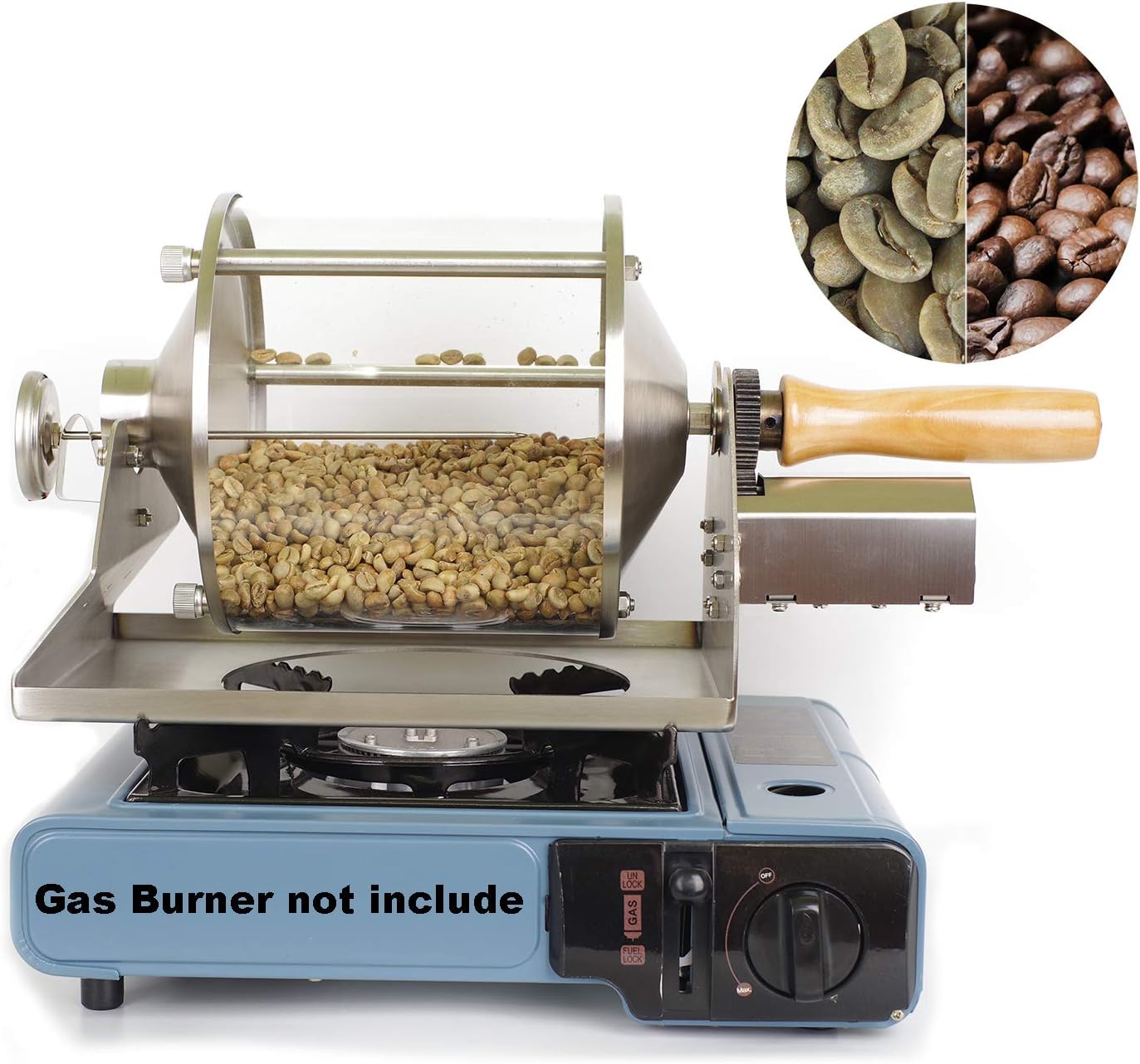
Gas-powered drum roasters utilize external heat sources combined with motorized rotation to achieve uniform exposure. Monitoring temperature adjustments manually allows experienced operators to fine-tune flavor profiles based on visual cues. Evaluating how each machine manages heat helps you select a system matching your preferred level of roasting automation.
Material Construction and Maintenance
Durability and ease of cleaning depend directly on the materials used in both mugs and roasting equipment. Ceramic mugs frequently offer dishwasher and microwave compatibility for effortless upkeep, though some oversized novelty models mandate careful hand washing. Reviewing manufacturer care instructions ensures long-lasting appearance and function for your daily drinkware.
Roasting appliances constructed from food-grade stainless steel and quartz glass provide robust resistance to high temperatures and heavy wear. Removable inner drums and nonstick pans simplify residue removal between batches, preventing flavor cross-contamination. Selecting high-quality materials safeguards your investment and streamlines routine maintenance tasks over years of consistent use.
Versatility Across Multiple Food Applications
Many roasting machines offer multifunctional capabilities that extend beyond processing green coffee beans. Versatile appliances can handle peanuts, sunflower seeds, chestnuts, walnuts, and popcorn with equal efficiency. This multi-purpose design allows home users and small shop owners to expand their snack production lines using a single piece of equipment.
Assessing whether a roaster accommodates various grains and nuts adds practical value to your investment. Equipment designed for diverse food items provides greater flexibility in the kitchen or commercial workspace. Reviewing these secondary applications helps you maximize utility without purchasing separate specialized appliances for every roasting task.
Power Sources and Operational Safety Features
Power requirements influence where and how you operate roasting equipment in your home or business. Electric models rely on standard voltage outlets and high-wattage heating systems, while gas-burner setups require external flame sources paired with low-voltage safety motors. Understanding these electrical and thermal demands ensures proper setup within your available space.
Safety features such as automated low-voltage motors, PID temperature regulation, and sturdy support frames enhance operational security during extended use. Following manufacturer guidelines regarding continuous heating limits prevents premature wear and maintains reliable performance. Prioritizing these safety specifications guarantees a secure and dependable roasting experience.
Frequently asked questions
What is the difference between a 22-ounce ceramic mug and a 64-ounce novelty mug?
A 22-ounce ceramic mug is designed for practical daily coffee or tea drinking, fitting standard microwave and dishwasher routines while providing comfortable handling. In contrast, a 64-ounce novelty mug holds half a gallon of liquid, serving as an extreme container for heavy caffeine enthusiasts or humorous gifting. The larger novelty mug is substantially heavier, often requires hand washing, and demands two-handed lifting compared to standard oversized cups.
How do I choose the correct batch size for home coffee roasting?
Choosing the right batch size depends on your weekly coffee consumption and how frequently you prefer to roast. Kitchen electric roasters usually recommend 300 to 500 grams per batch to maintain balanced airflow and heating performance without overloading the motor. If you consume larger quantities or operate a small cafe, commercial drum roasters accommodating up to 8.8 pounds provide the higher volume needed for daily commercial production demands.
Can electric coffee roasters be used for roasting nuts and popcorn?
Many electric and commercial roasting machines feature versatile designs capable of processing items beyond coffee beans. These appliances frequently accommodate peanuts, sunflower seeds, chestnuts, walnuts, and popcorn. Using a multifunctional roaster allows you to expand your snack-making capabilities with a single machine, provided you follow the manufacturer's recommended batch capacities and temperature guidelines for each specific food type.
What maintenance is required for stainless steel and glass drum roasters?
Maintaining drum roasters involves regular cleaning of the inner chamber to remove residual oils, chaff, and debris between batches. Models constructed with food-grade stainless steel often feature removable inner drums that allow complete residue cleaning to prevent flavor cross-contamination. Quartz glass drums require careful wiping and cooling adherence to protect the glass surface from thermal shock during routine upkeep.
Are oversized coffee mugs and home roasters safe to clean in a dishwasher?
Dishwasher compatibility varies depending on the specific product's material construction and manufacturer instructions. Standard ceramic mugs like the 22-ounce model often support dishwasher cleaning for everyday convenience. However, jumbo novelty mugs or specialized roasting machine components frequently require hand washing or specific care procedures to preserve their structural integrity, exterior coatings, and attached hardware.