Appliances · Buying Guide
Best Breville Hot Tea Maker Options for Precise Brewing
Finding the right appliance to heat water and brew loose leaf blends transforms a daily kitchen routine. Breville offers specialized hot tea makers and electric kettles designed with dedicated temperature controls. These systems cater to various tea types, ensuring precise heat application for delicate green leaves or robust black infusions. Choosing the correct tool elevates flavor extraction.
Selecting a model depends on capacity needs, counter space, and automation preferences. Some appliances feature motorized baskets that lower leaves automatically, while others focus on rapid boiling and clear glass visibility. Reviewing specific structural attributes helps match the right device to everyday beverage preparation habits without unnecessary complications or guesswork.
As an Amazon Associate, StacyLaughs earns from qualifying purchases.
Buying guide
Temperature Control and Varietal Presets
Different tea leaves require specific water temperatures to release their optimal flavor profiles without scorching. Green and white teas thrive in cooler water, while black and herbal blends demand near-boiling conditions. Selecting an appliance with pre-programmed temperature buttons eliminates guesswork during morning preparation.
Having dedicated presets allows users to match heat levels directly to the chosen beverage type. This capability ensures consistent results whether preparing delicate herbal infusions or robust breakfast blends. Evaluating these settings helps align daily routines with precise thermal requirements.
Capacity and Countertop Footprint
Kitchen counter space dictates the physical size of the appliance you can comfortably accommodate during busy morning routines. Models range from compact 34-ounce jugs suitable for single users or restricted kitchen layouts to larger 57-ounce vessels designed for busy households. Assessing available surface area prevents overcrowding near adjacent coffee makers and toasters while maintaining an open workspace.
Larger capacity devices boil more water at once but require a wider base and heavier frame during lifting. Smaller units offer enhanced portability and easy storage inside tight cupboards or office breakrooms. Matching the liquid volume to daily consumption habits ensures efficient operation without dealing with unnecessary bulk or wasted heating cycles.
Automated Infusion vs Manual Steeping
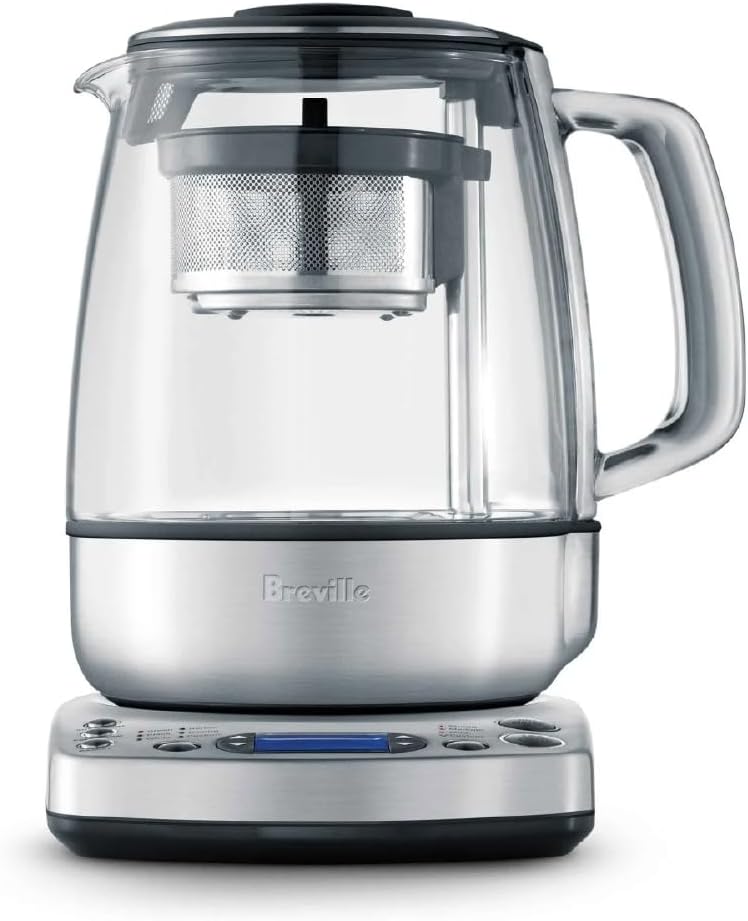
Automated tea makers feature motorized baskets that lower leaves into the water at the exact correct moment and raise them when steeping concludes. This automation removes timing errors and guarantees uniform strength across every single batch. It appeals to users who appreciate hands-off operation and consistent brewing mechanics without constant supervision.
Manual kettles require users to add loose leaves into separate infusers or teapots after the water finishes heating. While this approach involves an extra step, it provides greater flexibility for experimenting with diverse steeping vessels and cleaning routines. Choosing between these styles depends entirely on personal workflow preferences.
Materials and Visual Monitoring
Glass and stainless steel construction elements influence both durability and visual appeal on the kitchen counter. German glass vessels allow users to watch water boil and monitor the tea infusion process directly. Pairing glass bodies with brushed stainless steel power bases provides a modern aesthetic that complements contemporary kitchen decor.
Thermal shock resistant materials ensure the glass withstands rapid temperature shifts from cold water to boiling heat safely. Dual water windows or transparent walls make measuring fluid levels straightforward without opening the lid. Reviewing material specifications helps verify long-term resilience and ease of daily maintenance.
Safety and Convenience Features
Modern electric kettles incorporate essential safety mechanisms like automatic shut-off and boil-dry protection to prevent damage if activated empty. Soft-opening lids slowly release steam to minimize the risk of accidental burns from hot water splatters during pouring. These thoughtful design details protect users during everyday kitchen tasks.
Cordless jugs resting on 360-degree multi-directional power bases offer exceptional maneuverability when filling mugs across the kitchen. Illuminated power buttons and ergonomic handles further enhance everyday usability by providing clear operational status and secure grips. Prioritizing these features ensures a comfortable user experience.
Maintenance and Cleaning Requirements
Keeping heating appliances clean preserves water purity and prevents mineral buildup over time. Some models feature dishwasher-safe stainless steel tea baskets that simplify cleanup after brewing flavored loose-leaf blends. Other components, such as glass jugs and power bases, typically require manual hand washing according to manufacturer care guidelines.
Understanding cleaning expectations helps maintain appliance longevity and appearance in busy kitchen environments. Regularly wiping down stainless steel surfaces and descaling internal glass vessels prevents residue accumulation. Evaluating maintenance instructions ensures the selected model aligns with your preferred household cleaning habits.
Frequently asked questions
Can these electric kettles also be used to simply boil plain water?
Yes, all of these Breville models function as standard water boilers in addition to their tea-making capabilities. When you need hot water for instant oatmeal, hot chocolate, French press coffee, or matcha, you can bypass the tea presets and simply use the kettle to heat water to your desired temperature. This dual functionality makes them versatile countertop appliances suitable for a wide variety of hot beverage preparation needs throughout the day without requiring separate dedicated boiling equipment.
What is the difference between a tea maker and a standard electric kettle?
A standard electric kettle is designed exclusively to heat water to a boil or a specific target temperature. In contrast, dedicated tea makers like the Breville infusion models incorporate specialized tea baskets—some motorized—that hold loose leaf tea and submerge it into the water automatically for precise intervals. This onboard steeping system controls both the water temperature and the exact steep time, whereas standard kettles require you to steep loose leaves in a separate pot or infuser afterward.
How do I clean and maintain the glass and stainless steel components?
Maintenance requirements vary slightly by model, but most glass jugs and stainless steel bases require hand washing with mild soap and water. Removable parts like stainless steel tea baskets are dishwasher-safe on certain models, while others require manual cleaning. To prevent mineral scale buildup from hard water, periodically descaling the interior glass vessel with a vinegar solution or commercial cleaner is recommended following manufacturer guidelines. This routine preserves both heating efficiency and clear visual appearance over years of use.
Are these kettles completely cordless during the pouring process?
Yes, all featured Breville kettle jugs are entirely cordless when lifted off their power bases. The jugs rest on a 360-degree multi-directional power base that plugs into the wall outlet. This cordless design allows you to lift the jug and carry it freely across the kitchen counter to pour hot water into mugs or teapots without dealing with dangling power cords. The base also features integrated cord storage to keep your countertop tidy when the appliance is not in use.
How does the keep-warm function operate on these appliances?
The keep-warm function is designed to maintain the water or brewed tea at your selected temperature for a designated period, such as twenty minutes on standard kettles or up to sixty minutes on automated infuser models. When activated via the control panel, the heating element cycles on automatically to prevent the liquid from cooling down too quickly. This feature is especially convenient when you are distracted or waiting to pour a second cup without needing to reheat the entire vessel.