Appliances · Buying Guide
Best Coffee Grind Size For Drip Brewers And Burr Grinder Picks
Finding the ideal coffee grind size for drip brewing fundamentally changes how water extracts rich flavors from your favorite beans. Selecting a dedicated burr mill or an all-in-one grind and brew machine helps maintain reliable particle consistency, which prevents bitter over-extraction or watery under-extraction in your daily cup.
Whether you want a compact countertop device that fits neatly under kitchen cabinets or a larger appliance featuring customizable cup quantities and touch screen controls, understanding your equipment options makes daily preparation much easier. Exploring various burr styles, motor wattages, and setting ranges allows you to match specific kitchen gear to your preferred morning routine without guessing. Choosing the right setup depends entirely on your available counter space and bean capacity preferences.
As an Amazon Associate, StacyLaughs earns from qualifying purchases.
Buying guide
Evaluating Burr Types For Consistent Extractions
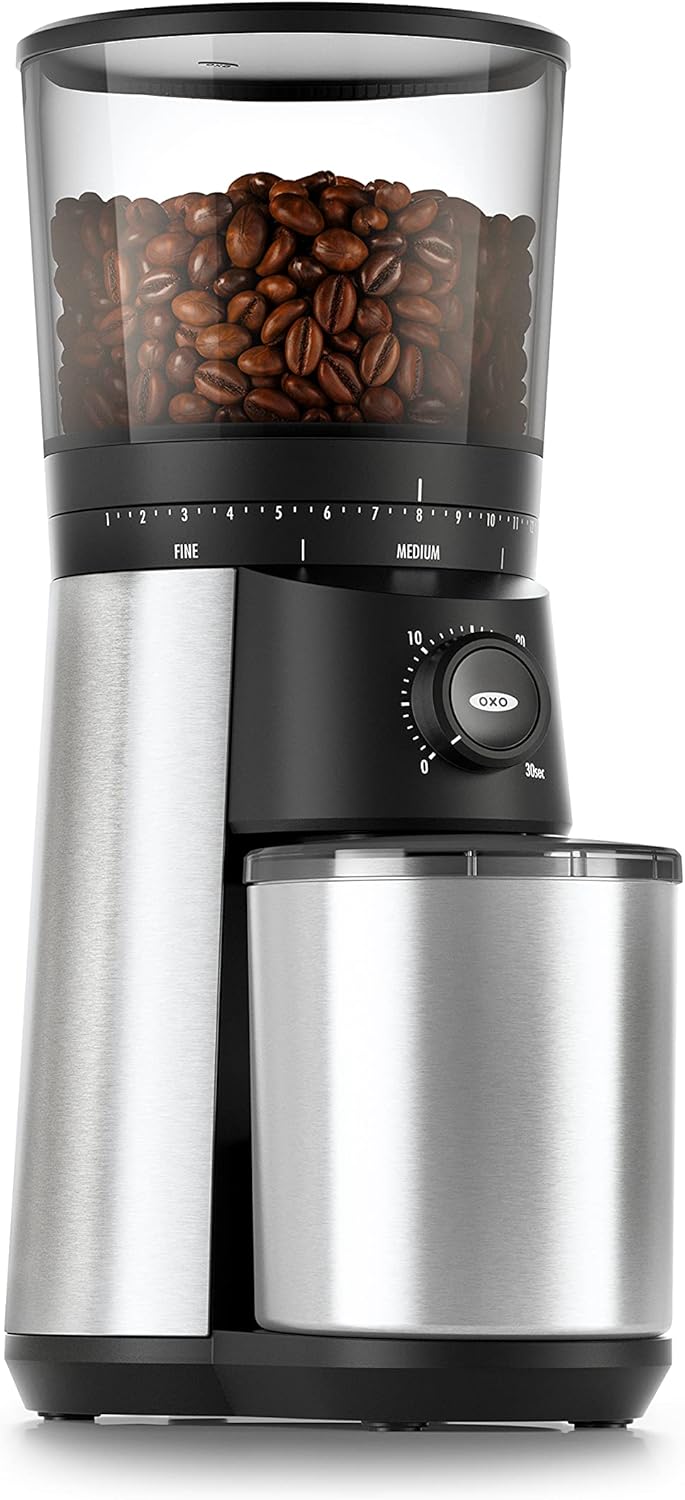
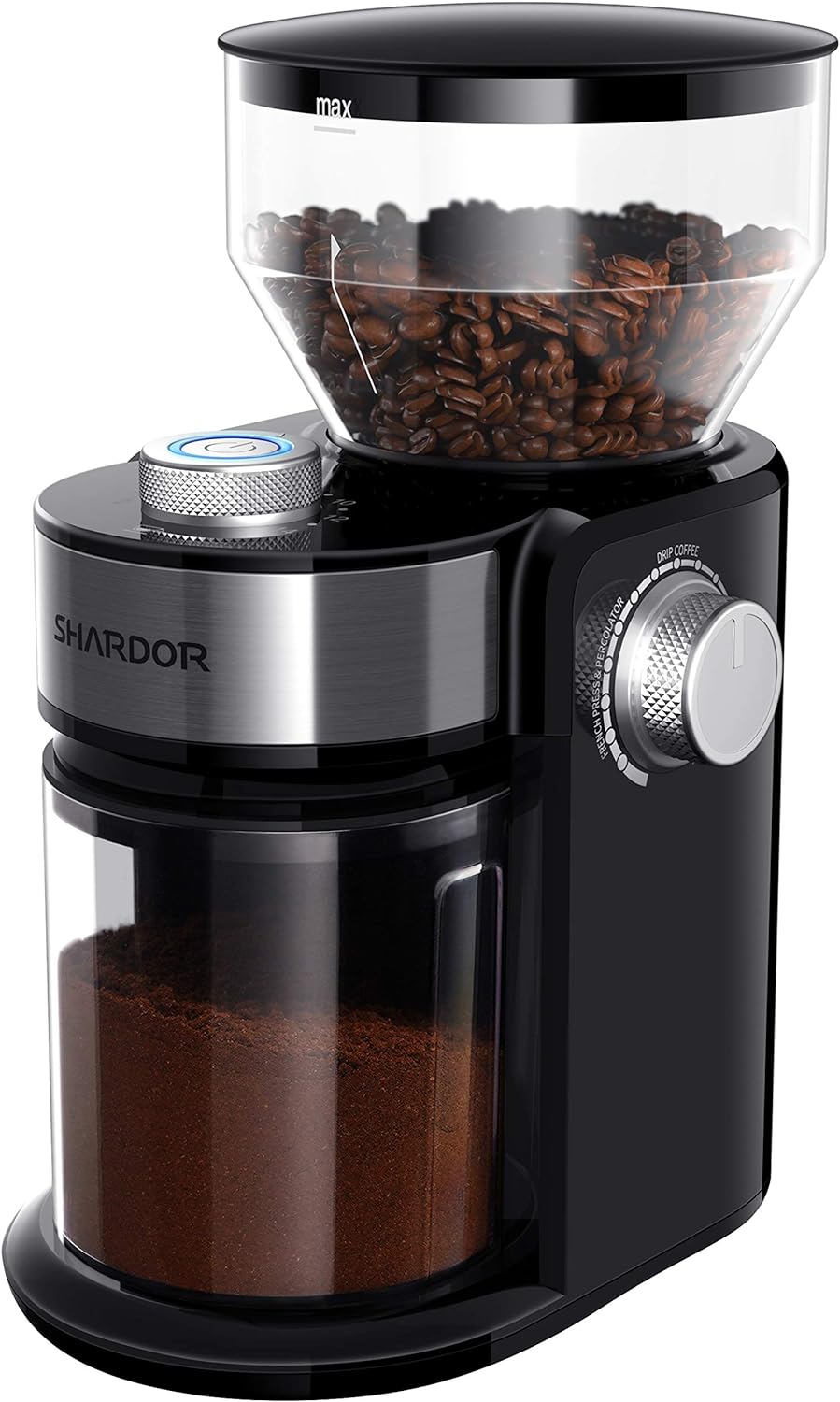
Choosing between conical and flat burr mills heavily influences how uniformly your coffee beans are crushed before extraction. Electric burr grinders crush beans rather than chopping them with traditional blades, preserving essential natural oils and rich aromas while producing reliable particle sizes. This structural uniformity directly prevents the bitter over-extraction and watery under-extraction often caused by uneven blade chopping during everyday kitchen use.
Stainless steel construction further enhances long-term durability and grinding performance across countless daily brewing sessions. Whether you select a conical or flat burr mechanism, prioritizing consistent particle crushing ensures your selected coffee grind size for drip preparation delivers balanced flavor profiles in every single cup you pour.
Understanding Grind Setting Ranges And Micro-Adjustments
Navigating multiple grind settings allows you to customize your extraction for everything from fine espresso to coarse french press. Machines offering fifteen to eighteen primary positions give you a solid foundation, while additional micro-adjustments provide even finer control over your final particle texture. Dialing in these precise steps is vital for achieving optimal flavor extraction without bitterness.
Having precise control over your coffee grind size for drip methods ensures hot water flows through the coffee bed at the correct speed. Selecting a model with a broad setting range prevents guesswork when switching between different brewing styles in a busy household kitchen, accommodating diverse family preferences effortlessly.
Matching Hopper Capacity To Daily Household Needs
Bean hopper capacity determines how many whole coffee beans you can load into your electric grinder before requiring a manual refill. Smaller fifty-gram or eight-ounce hoppers suit solo drinkers and compact apartments, whereas larger twelve-ounce hoppers comfortably accommodate heavier daily consumption and frequent multi-cup brewing routines without constant user interruptions throughout the busy week.
Assessing your household drinking habits helps you choose a hopper size that minimizes constant refilling tasks without taking up unnecessary kitchen counter space. Matching your bean storage volume directly to your daily routine keeps morning beverage preparation smooth, fast, and remarkably efficient for everyone involved in the home kitchen environment.
Managing Countertop Footprint And Cabinet Clearance
Kitchen counter space is always a valuable commodity, making physical dimensions an essential factor when selecting a coffee grinder or all-in-one brewer. Slim vertical grinders fit easily into narrow gaps, while wider models require more horizontal room on your preparation surface. Measuring your available space carefully prevents unexpected placement conflicts in tight modern kitchens.
Additionally, checking vertical height clearances ensures taller appliances slide comfortably beneath hanging wall cabinets without scratching surfaces or creating storage headaches during daily use. Tall grind-and-brew machines demand significant overhead room compared to compact standalone burr grinders, making pre-purchase measurements essential for smooth countertop integration and everyday household convenience.
Utilizing Timers And Programmable Brewing Controls
Automated timers and programmable controls transform how you approach your morning beverage routine by removing manual guesswork entirely. Electric smart timer dials let you select specific cup quantities for hands-free grinding with automatic shutoff features that prevent waste and save time. These helpful features streamline busy mornings effortlessly for everyone living in the home.
Meanwhile, advanced programmable brewing systems allow you to schedule extraction cycles in advance, ensuring fresh coffee is ready the exact moment you wake up. Combined keep-warm plates also maintain ideal beverage temperatures for extended periods after brewing finishes, adding extra convenience for busy households managing tight morning schedules.
Maintaining Cleanliness And Preventing Static Cling
Keeping your electric coffee grinder clean ensures consistent mechanical performance and prevents stale residues from affecting your fresh beans over time. Features like removable upper and lower burrs, chuteless designs, and anti-spill lids make accessing internal components much easier after grinding sessions. Regular maintenance preserves motor health and flavor quality across years of daily household use.
Additionally, static-fighting stainless steel containers reduce powder cling, allowing fresh grounds to pour smoothly into your paper filter without scattering mess across your clean countertop. Included professional cleaning brushes also help sweep away leftover micro-grounds quickly, keeping your equipment tidy with minimal effort during busy daily kitchen routines.
Frequently asked questions
What is the ideal coffee grind size for drip brewing?
The ideal coffee grind size for a standard drip machine is typically medium, resembling table salt or sand. This texture allows water to flow through the coffee bed at a steady pace, extracting rich flavors without causing bitter over-extraction or watery under-extraction. Using a burr grinder rather than a blade grinder ensures uniform particle size, which prevents the mix of fine dust and large chunks that ruins extraction balance. By dialing in a medium setting on a burr mill, you achieve consistent extraction every single morning.
Should I use a conical burr or flat burr grinder for drip coffee?
Both conical and flat burr grinders work exceptionally well for drip coffee because both styles crush beans rather than chopping them. Conical burrs are frequently praised for quiet operation, low vibration, and excellent particle consistency, making them popular in home kitchens. Flat burrs provide uniform particle distribution that preserves natural bean oils and aromas effectively. Your choice ultimately depends on whether you prefer the specific housing design, hopper capacity, or micro-adjustment range offered by a particular model, as both burr styles support balanced extraction.
How do grind settings affect the taste of drip coffee?
Grind settings directly control how fast water extracts soluble compounds from your coffee beans. If your grind is too fine, water lingers too long, resulting in a bitter, heavy taste caused by over-extraction. Conversely, if your grind is too coarse, water passes through too quickly, producing a sour, weak cup due to under-extraction. Utilizing a grinder with precise micro-adjustments allows you to fine-tune your particle size until you find the exact balance that suits your personal taste preferences for daily drip brewing.
Can I use an all-in-one grind and brew machine for drip coffee?
Yes, all-in-one grind and brew machines combine an automatic coffee grinder with a traditional drip maker into a single countertop appliance. These systems let you load whole beans, select your desired cup quantity, and program automated brewing schedules for ultimate morning convenience. They eliminate the need for a separate standalone grinder and reduce counter clutter. However, they require careful measurement of your vertical cabinet clearance since combined units tend to be taller than standalone grinders used alongside traditional coffee makers.
How often should I clean my coffee grinder to maintain performance?
Regular cleaning is essential to prevent stale coffee oils and micro-grounds from accumulating inside your grinder over time. Many modern burr grinders feature removable upper and lower burrs, chuteless designs, and included cleaning brushes that make sweeping out leftover grounds straightforward. Wiping down the bean hopper and static-fighting stainless steel containers helps maintain smooth pouring. Following manufacturer maintenance guidance keeps your motor running quietly and ensures your fresh coffee grounds always taste clean, vibrant, and free from bitter old residues.