Appliances · Buying Guide
Best Coffee Grinder Adjustable Grind Options for Every Brew
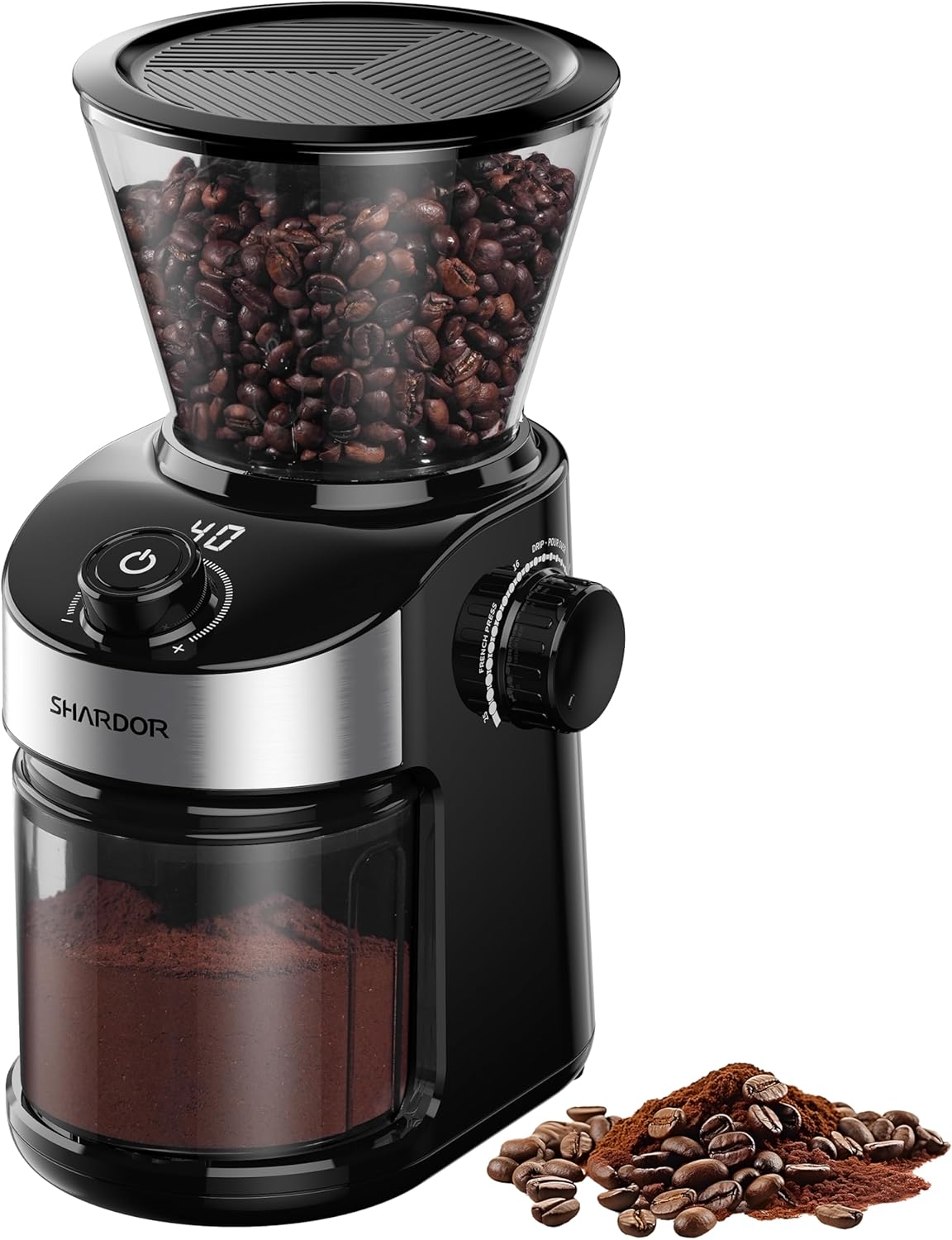
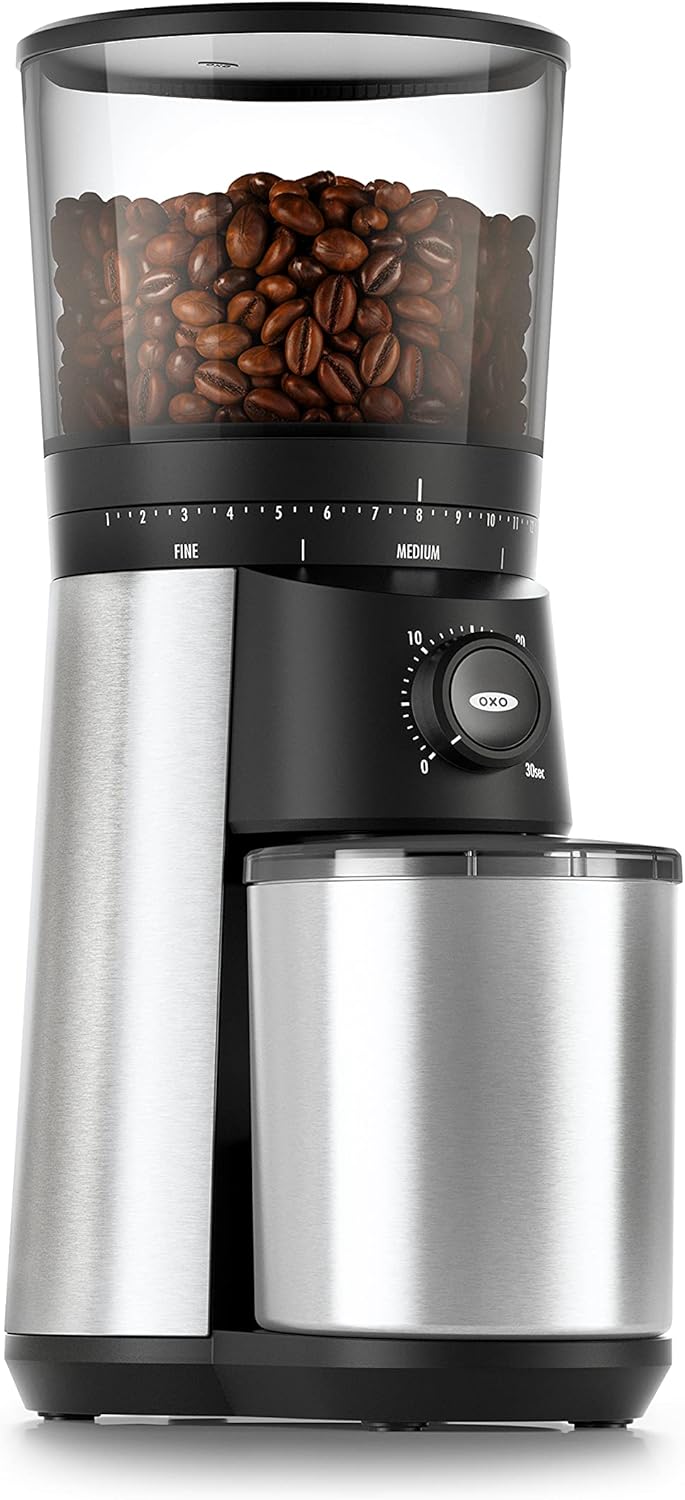
Finding the right coffee grinder with an adjustable grind can completely change how your daily brew tastes. Whether you prefer a fine texture for a quick morning espresso or a coarse consistency for a relaxing French press, having control over your particle size matters. Different brewing methods demand specific extraction rates, and a uniform grind prevents bitterness while unlocking rich natural flavors.
Exploring various machines helps you match your kitchen space and daily routine. From compact manual hand cranks to automated electric flat and conical burr systems, options range widely in capacity and speed. Selecting a model with reliable adjustment mechanisms ensures you can easily experiment with roast styles and brewing recipes right at home or on the go.
As an Amazon Associate, StacyLaughs earns from qualifying purchases.
Buying guide
Burr Types and Particle Uniformity
When selecting a coffee grinder with an adjustable grind, understanding internal burr mechanics is essential for achieving balanced flavor extraction in every cup. Flat and conical burrs crush coffee beans between durable metal surfaces, producing uniform particles that prevent bitter over-extraction and sour under-extraction. This deliberate crushing action ensures your water flows evenly through the grounds during brewing.
Unlike traditional blade models that chop beans into irregular fragments, structured burr systems guarantee that every particle matches your chosen brewing style. Investing in quality burrs transforms your daily coffee routine by delivering consistent results across fine espresso, pour-over drippers, and coarse French press vessels. Evaluating how a grinder processes beans helps you secure long-term flavor clarity.
Capacity and Batch Requirements
Assessing your daily consumption habits ensures you choose a coffee grinder with an appropriate bean capacity and batch control design. Single users or travelers might find compact 25-gram hand grinders or small portable electric units ideal for single servings. Larger households or office break rooms benefit from high-capacity hoppers holding up to twelve ounces or fourteen cups of coffee per run.
Matching appliance capacity to your typical morning routine prevents the hassle of repeatedly refilling small chambers or wasting ground beans. Consider how many people you serve daily and whether you prefer grinding fresh beans for every single cup or preparing larger batches ahead of time. Selecting the right volume size optimizes your kitchen workflow and reduces daily preparation friction.
Adjustment Ranges for Diverse Brews
The variety of brewing methods you enjoy dictates the number of grind settings you need on your chosen machine. Devices offering twenty to forty-two distinct adjustment levels allow you to effortlessly dial in fine textures for pressurized espresso machines or coarse textures for steeping cold brew. Wide adjustment ranges give you the flexibility to experiment with different origins and roast profiles.
Check whether a model uses numbered steps or micro-adjustments to fine-tune particle size for specialized brewing techniques. A broader selection ring or adjustment nut ensures you never feel limited when switching between pour-over cones and French press pots. Prioritizing robust coarseness control lets you master various recipes and extract optimal flavors from specialty coffee beans.
Manual Versus Electric Operation
Deciding between manual hand-crank models and automated electric grinders depends entirely on your lifestyle, physical preferences, and kitchen setup. Manual grinders rely on human power and mechanical bearings, making them lightweight, quiet companions for outdoor camping, travel, or quiet mornings. They eliminate cords and motor noise while offering tactile engagement during the coffee preparation process.
Electric grinders provide effortless push-button or automated timer operation, saving time and physical effort during busy morning routines. While electric motors require reliable power sources or battery charges, they process larger bean quantities quickly without demanding upper-body exertion. Weighing convenience against portability helps you select the ideal power format for your kitchen or travel bag.
Countertop Footprint and Storage
Kitchen counter space is a valuable commodity, making the physical dimensions and storage profile of your coffee grinder a critical purchasing factor. Compact vertical units and slim manual hand grinders slip easily into tight apartment corners, dorm rooms, or crowded office break rooms. Larger stationary electric grinders demand dedicated countertop space and sufficient clearance under overhead kitchen cabinets.
Measure your available kitchen space before selecting a machine to ensure it fits comfortably alongside your coffee maker and toaster. Removable hoppers and foldable handles also enhance storage convenience by reducing the appliance height and width when tucked away in cupboards. Prioritizing spatial compatibility keeps your kitchen organized and functional.
Maintenance and Cleaning Ease
Regular cleaning is necessary to prevent coffee oil buildup that can compromise the fresh flavor of your favorite roasted beans. Look for grinders that include dedicated cleaning brushes, removable stainless steel bowls, or accessible burr chambers that simplify daily upkeep. Following manufacturer guidelines regarding dry brushing helps protect internal electrical components and circuit boards.
Avoiding water contact on sensitive electronic parts ensures your appliance operates reliably over years of daily use. Removable dishwasher-safe parts further streamline post-grinding cleanup for busy households. Prioritizing straightforward maintenance features guarantees your grinder remains hygienic, efficient, and ready to produce flavorful coffee grounds whenever inspiration strikes.
Frequently asked questions
How do I choose the right grind setting for my brewing method?
Choosing the correct grind setting depends entirely on how long your coffee grounds remain in contact with water during the brewing process. Finer settings resemble powdered sugar and suit fast extraction methods like espresso or moka pots. Medium settings work best for drip and pour-over brewers, while coarse settings resemble sea salt and are ideal for French press or cold brew immersion. Experimenting with your machine's adjustment ring or dial helps you find the optimal particle size for balanced flavor.
Are electric grinders better than manual hand grinders?
Neither type is universally better; instead, each serves different lifestyles and practical preferences. Electric grinders offer speed, high capacity, and effortless push-button operation, making them ideal for busy morning routines at home or in the office. Manual hand grinders provide unmatched portability, silent operation, and zero electrical requirements, making them perfect for travel, camping, or minimalist kitchens. Your choice depends on whether you prioritize time-saving convenience or outdoor mobility and tactile control.
Can I grind spices and herbs in my coffee grinder?
Whether you can grind spices depends on the specific design and internal mechanism of your chosen grinder. Models equipped with durable stainless steel blades and removable bowls are often engineered to handle dry herbs, seeds, and spices alongside coffee beans. However, precision burr grinders are typically restricted to coffee beans to prevent flavored oils from transferring to your morning brew. Always check the manufacturer guidelines before processing non-coffee ingredients in your device.
How often should I clean my coffee grinder?
Routine cleaning should happen frequently to prevent stale coffee oils and microscopic grounds from accumulating inside the burrs or chamber. Most manufacturers recommend brushing out residual grounds after every few uses using an included cleaning brush. For electric burr models, you should strictly avoid washing internal motors or circuit boards with water, relying instead on dry maintenance tools. Regular upkeep preserves the pure flavor of your beans and ensures smooth mechanical performance over time.
What causes coffee grounds to stick to the container?
Static electricity generated during the high-speed friction of grinding coffee beans frequently causes grounds to cling to plastic or metal collection containers. Many modern grinders incorporate anti-static stainless steel materials or specialized collection bins designed to reduce this cling and facilitate smooth pouring. Tapping the bottom of the container with moderate force after grinding can also help release trapped powder. Selecting models with static-fighting features simplifies transferring your fresh grounds directly into the brew basket.